
Have you dug up your 2016 photos yet? Trade shows were booming, the next generation to be catered to was millennials, the Electronic Entertainment Expo was still around, VR headsets were all the rage, and Pokémon Go was expected to take augmented reality mainstream.
Some things, however, were still relatively the same as they are today. Cost efficiency, accountability to the bottom line, and high quality of exhibits were among the top exhibitor requests. Quality, not quantity of leads, became a priority, and exhibitors stopped being shy about asking attendees qualifying questions on pre-show microsites before shows and conventions. They also started to bring to the show floor subject-matter experts to engage attendees, increase dwell time, and build relationships that convert.
We took a dive into the Event Marketer archives to see what was driving trade show exhibits and experiences and how that inform strategies now, 10 years later.
 Intel
Intel
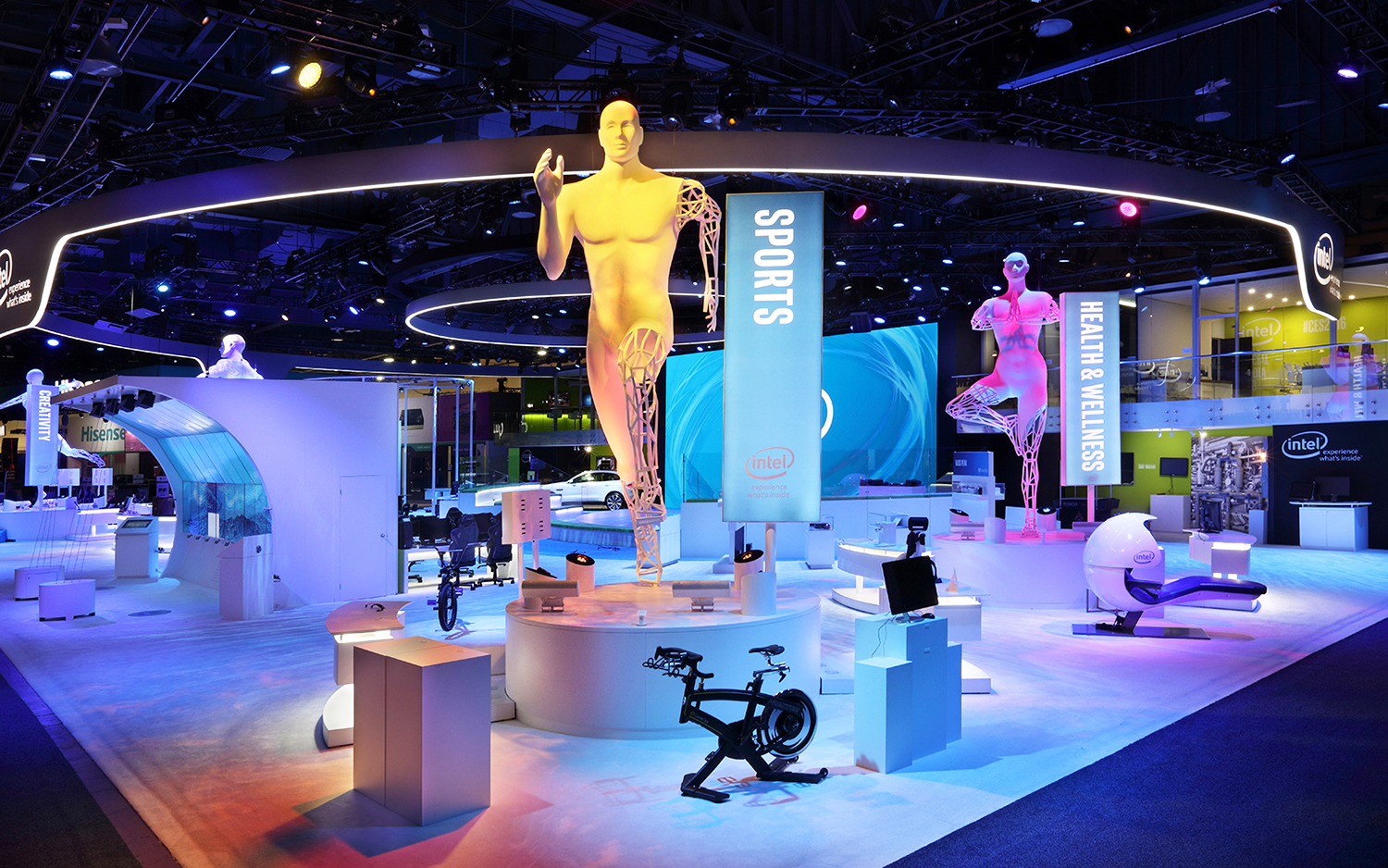
At CES 2016, Intel showcased a reimagined keynote-centric experience with dramatically lit human figures, bringing to life the four zones the brand influenced with its tech offerings at the time. Drones were just taking off: cue a 22-foot cage containing them in action. A Spotlight Theater stage mimicked the live demos and performances featured in the keynote. Professional ballerina Paige Fraser, for instance, highlighted the RealSense cameras, her movements affecting visuals that were displayed behind her on a screen.
 Square Enix
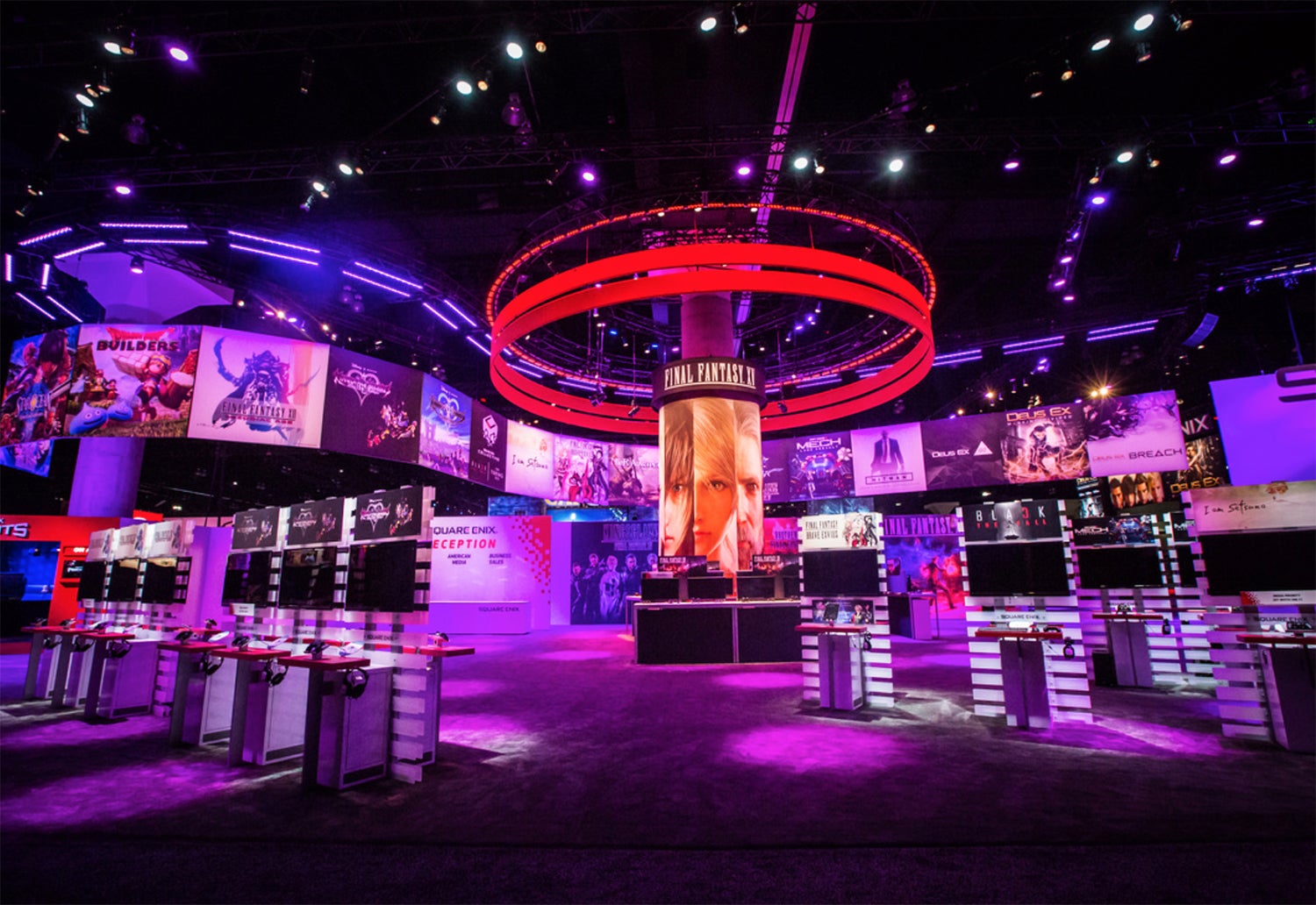
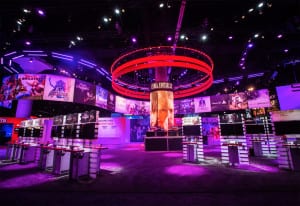
At Electronic Entertainment Expo (E3), this video game developer set up a live-streaming broadcast booth that let attendees in on the video streaming action that fed content directly to consumers for six hours, increasing viewership 33 percent over the previous year. An open video theater, areas for both open game play and structured game play experiences, and a live presentation theater with rotating demos and surprise guests also engaged attendees. The result was a packed booth for the brand over the course of the three-day trade show.
 Fiat Chrysler Automobiles
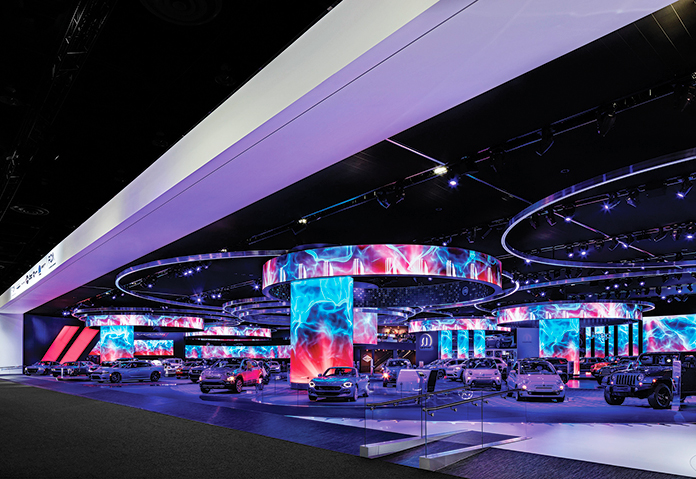
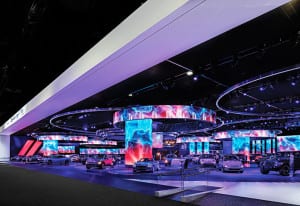
At the 2016 North American International Auto Show, the newly merged Fiat Chrysler Automotives showcased the unique personalities of its seven brands in a cohesive 60,000-square-foot space that connected them through a spectacular array of LED screens, light rings and multi-channel audio, forming a “Kinetic Canopy” that intelligently moved light and sound above and between the brands like an energy field. The experience resembled a finely honed machine with each of the brands’ “gears” interacting with one another and ultimately drawing energy to fuel a show that featured their key stories and products.
 LeTV
LeTV
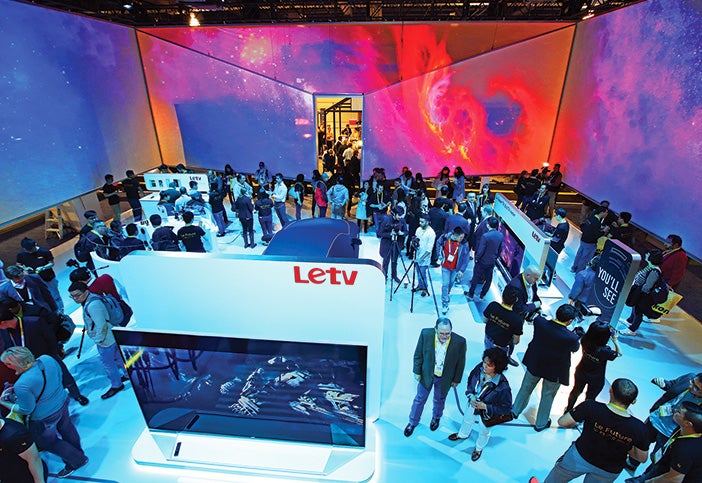
LeTV’s 50-foot by 60-foot exhibit at CES 2016 leaned into projection mapping to create an encompassing experience at a fraction of the price of LEDs, defining walls and a large overhead presence. Attendees were immersed in any one of the new products, from wearing virtual reality headgear to congregating around one of the exhibit’s main attractions—the Aston Martin demonstrating LeTV’s auto connectivity display.
 Gatorade
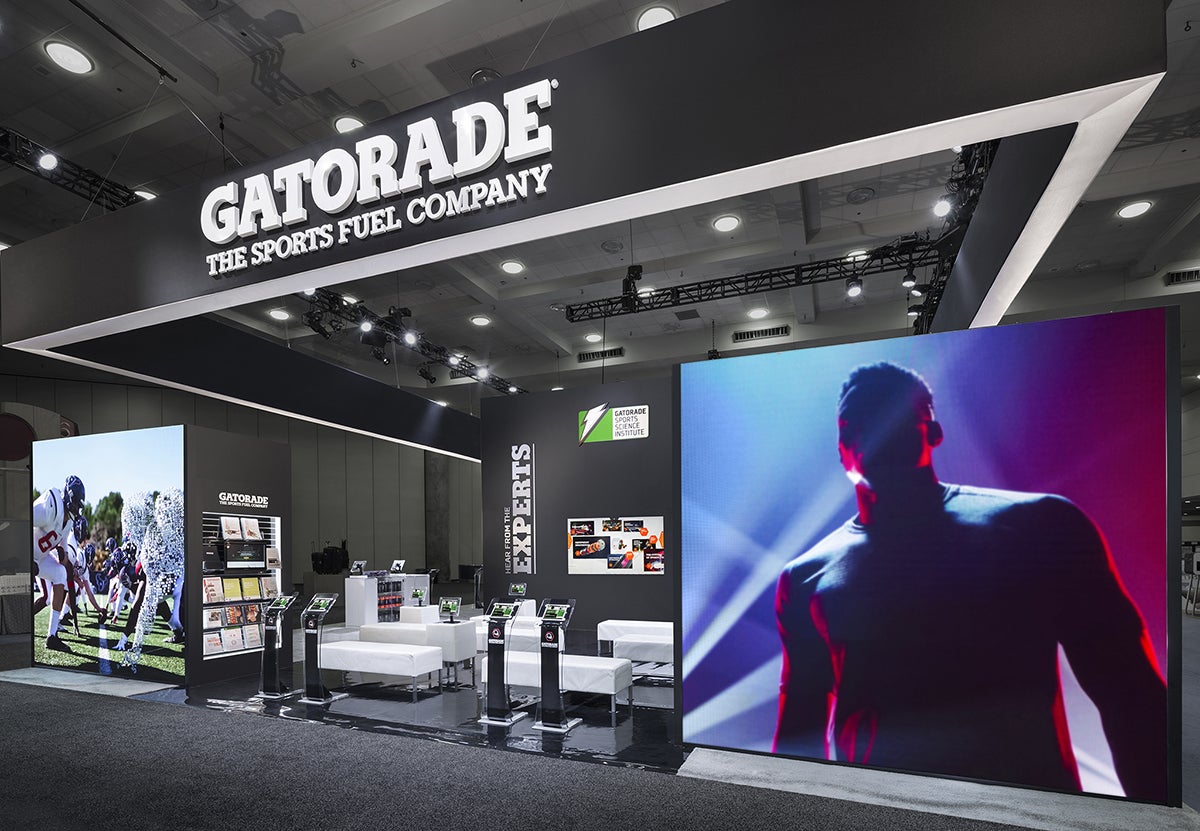
Gatorade took a big swig of consumer data at the National Athletic Trainers’ Association’s AT Expo with an RFID-powered personalized journey. The branded used the technology to identify and track attendees throughout their journey, offering insights on product and content preferences and traffic flow between stations. At the Gatorade Fuel Bar, attendees could use an interactive monitor to compare product features, while at the Future of Sports Fuel touch screen, attendees learned about areas of innovation in Gatorade’s products. Some 4,500 coaches participated, and 90 percent completed the experience.
 EMC
EMC
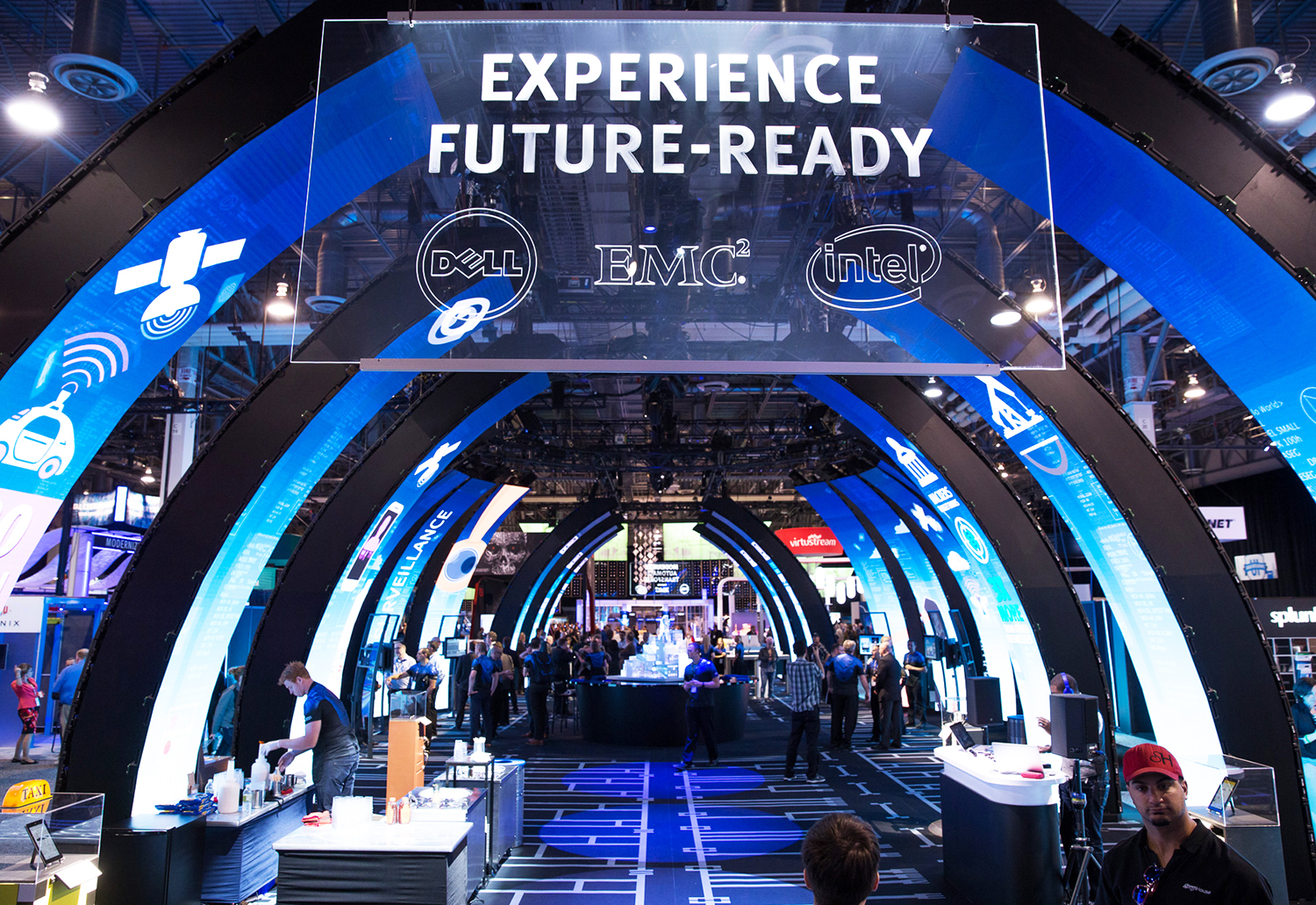
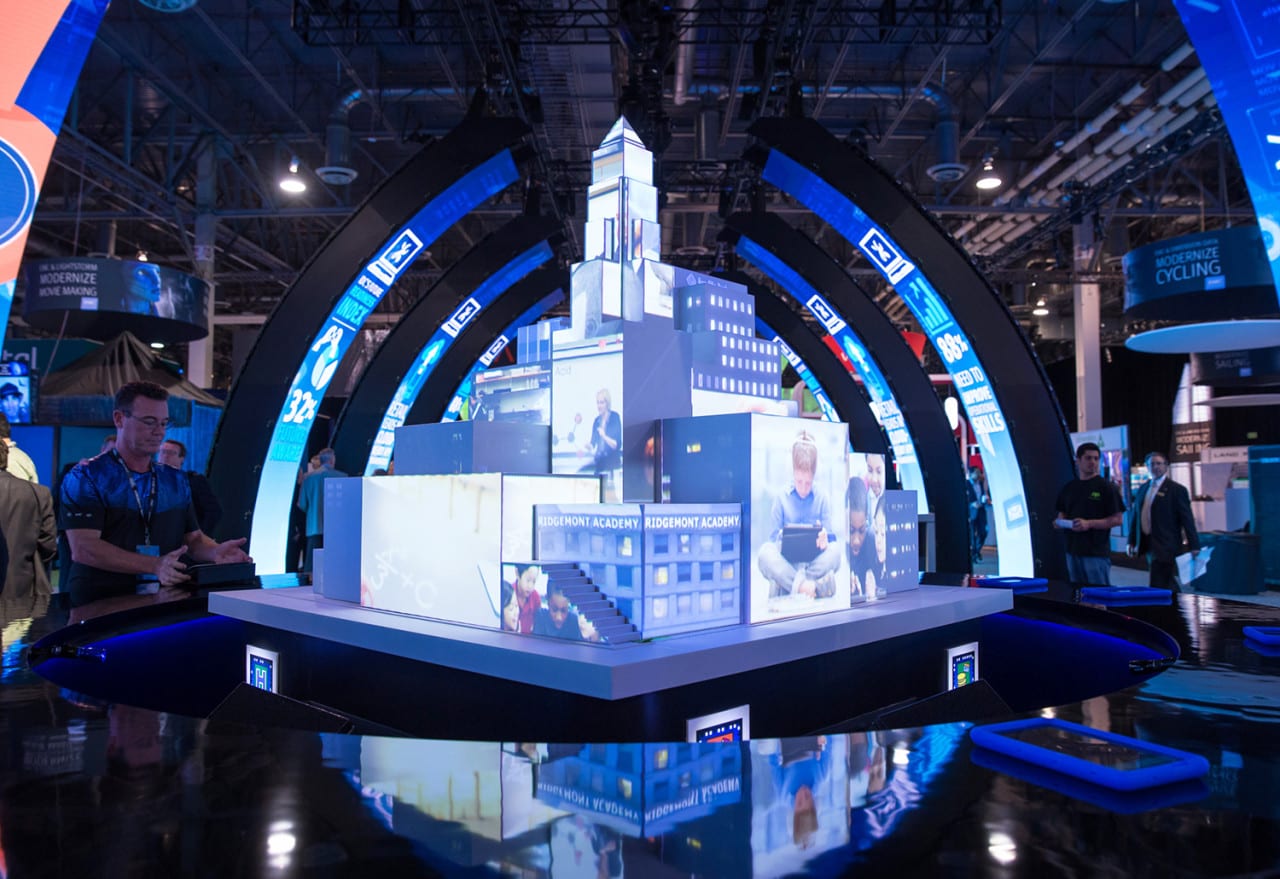
Before data centers were the fastest-growing real estate, EMC’s Experience Future-Ready exhibit at EMC World brought together tech brands like Dell and Intel to show attendees exactly how the world around them runs on data. Twenty-four towering LED structures displaying animated infographics heralding the age of digital transformation defined the space, which included a six-foot model city that displayed projection-mapped content on each visible surface.
Attendees explored the city with a tablet-based augmented reality app. Touch screen displays surrounding the installation showcased solutions for key industry verticals. EMC and Dell experts helped attendees assess their own future-readiness and created customized roadmaps for the future that leveraged EMC, Dell and Intel technology. In addition, a collection of digital experiences called “The Villages,” which sprouted from a broken-down, post-apocalyptic container, offered a 20-foot-tall digital avatar selfie experience that allowed people to dance along with their digital selves. AI was next…
Image Credits 2016: Intel (The Taylor Group); Square Enix (Kenwood Experiences);
Fiat Chrysler Automobiles (George P. Johnson); LeTV (Derse); Gatorade (Mirror Show Management);
EMC (Opus Agency, Experience Design Awards)