
Brands from NYX to Primal Kitchen are leveraging the platform’s user data to inform their live experiences
Over the last six years, the Pinterest Predicts annual trends report has had an 88-percent accuracy rate, making it less of a forecast and more of a blueprint for what consumers will be planning for, or seeking out, in the year ahead. And brands are taking note.
Now in its seventh year, the “not-yet-trending” report distills billions of data points from the platform’s 600 million-plus users into a concise list of topics that are poised to influence audiences, particularly younger generations, over the course of the year.
It’s the kind of data that event marketers can sink their teeth into—and use as a launchpad for crafting events that will resonate. And from NYX to Urban Outfitters to Primal Kitchen to Anthropologie to Levi’s to Primark, savvy brands have been linking up with the social media platform to build data-driven experiences that turn Pinterest Predicts trends into real-world touchpoints.
“We’re able to give marketers insight into what’s going to be big next in culture, and because they are backed by data, we’re able to prove that they come true,” says Seán Doyle, group creative director-experiential at Pinterest. “So obviously, it gives brands like NYX a high level of confidence that they can invest in these trends and know that by the time they get to market with something, it’s still going to be something that’s happening or is on the rise, versus something that has kind of gone and passed.”
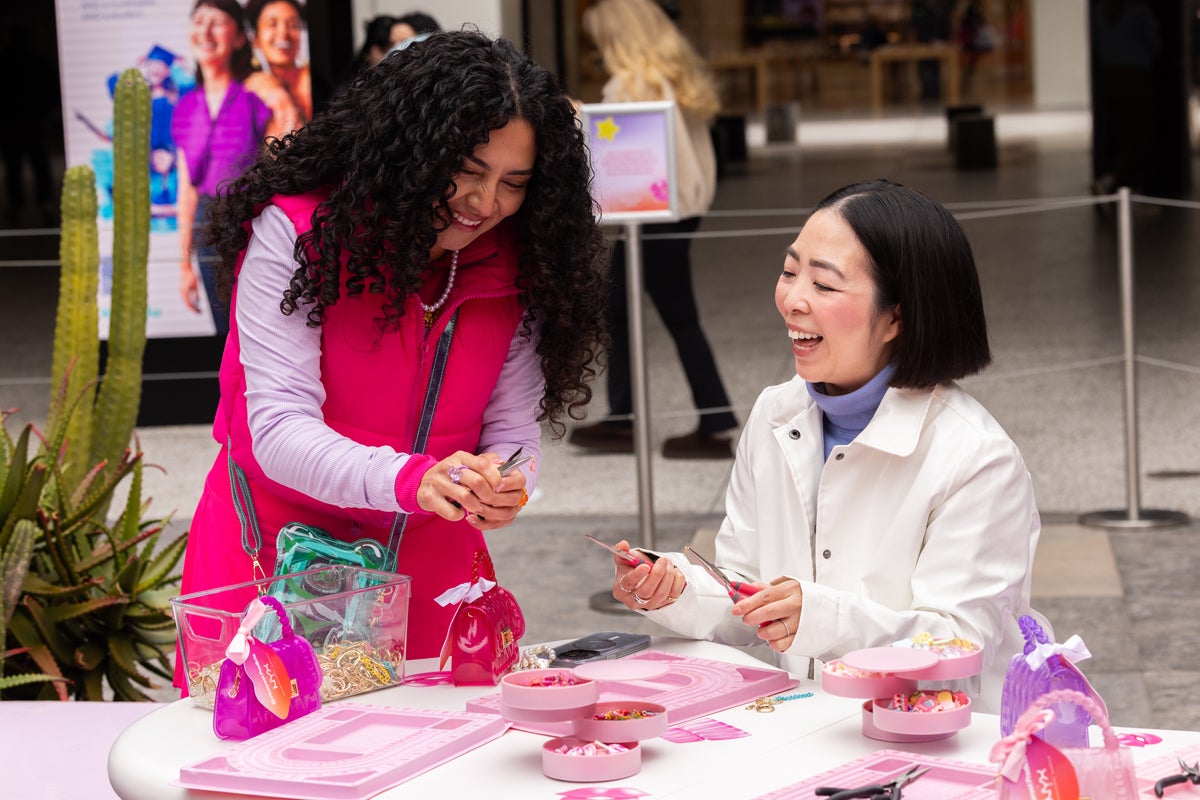
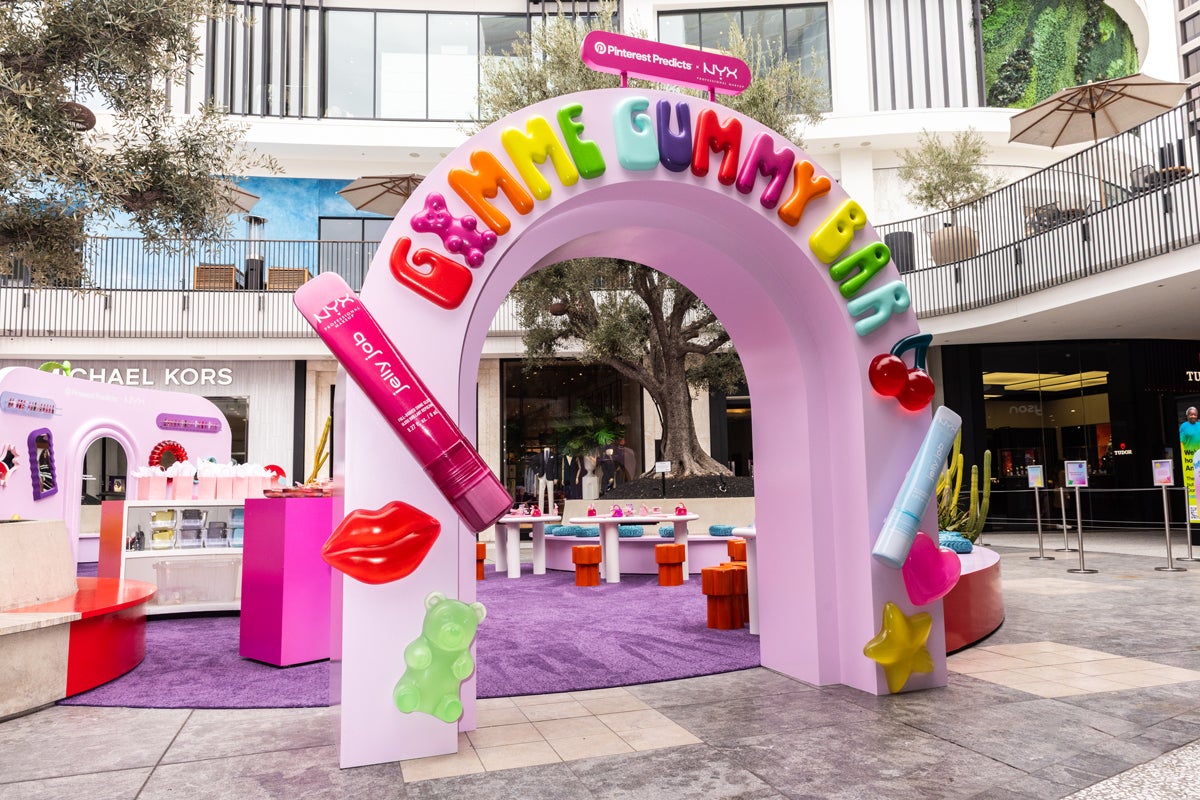
On the heels of Pinterest and NYX’s Gimme Gummy Bar activation, we tapped Doyle for insights on how brands can—and have—leveraged the platform’s research to inform and inspire their live experiences.
ALIGNING THE DATA WITH AUDIENCE NEEDS
Like any data-driven campaign, brands have to start with the numbers, then determine how that information pertains to their target, and strategize accordingly.
“Start with the data, for sure. And then use that as a way to find your own answers,” Doyle says. “How can your brand use this insight to create something that your audience truly needs in the real world? And I think being able to have access to what’s going to be big next, what people are dreaming about, what people are planning, is really a unique, fresh and special insight to have for any creative brief.”
MAKING IT 360
Doyle explains that while experiential is a critical component of how companies are finding success in tapping into the trends forecast, the most effective ones are taking more of an integrated approach.
“Don’t let the experiential happen in a silo,” he says. “The brands that have the most success with Pinterest data are using it across multiple different touchpoints, from involving their product design or package design, to the creative strategy, to their wider campaigns or targets, or maybe even the creators that they engage with… NYX is a great example of that—finding this trend forecast, aligning it perfectly with a great product, and then being able to bring it to life in the real world.” (Agency: NVE Experience Agency)
FINDING A NICHE
For brands who find that the Pinterest Predicts report isn’t quite tailored to their audience, there are opportunities to dig further into the platform’s user data to find their niche. In addition to Predicts, the company produces a number of studies with stats that are specific to different demographics. Like its first Parenting Trend Report, which was released this year, and last summer’s first-ever Men’s Trend Report.
“[The data] is designed to offer a diverse range of use cases from across all of the different ways that people use Pinterest,” says Doyle. “So we often are able to share insights and unique trends with industries such as travel, auto, parenting. There are also fashion trends, home trends… and beauty does obviously remain a huge use case, especially for Gen Z.”
DRIVING IRL ENGAGEMENT FOR DIGITAL BRANDS
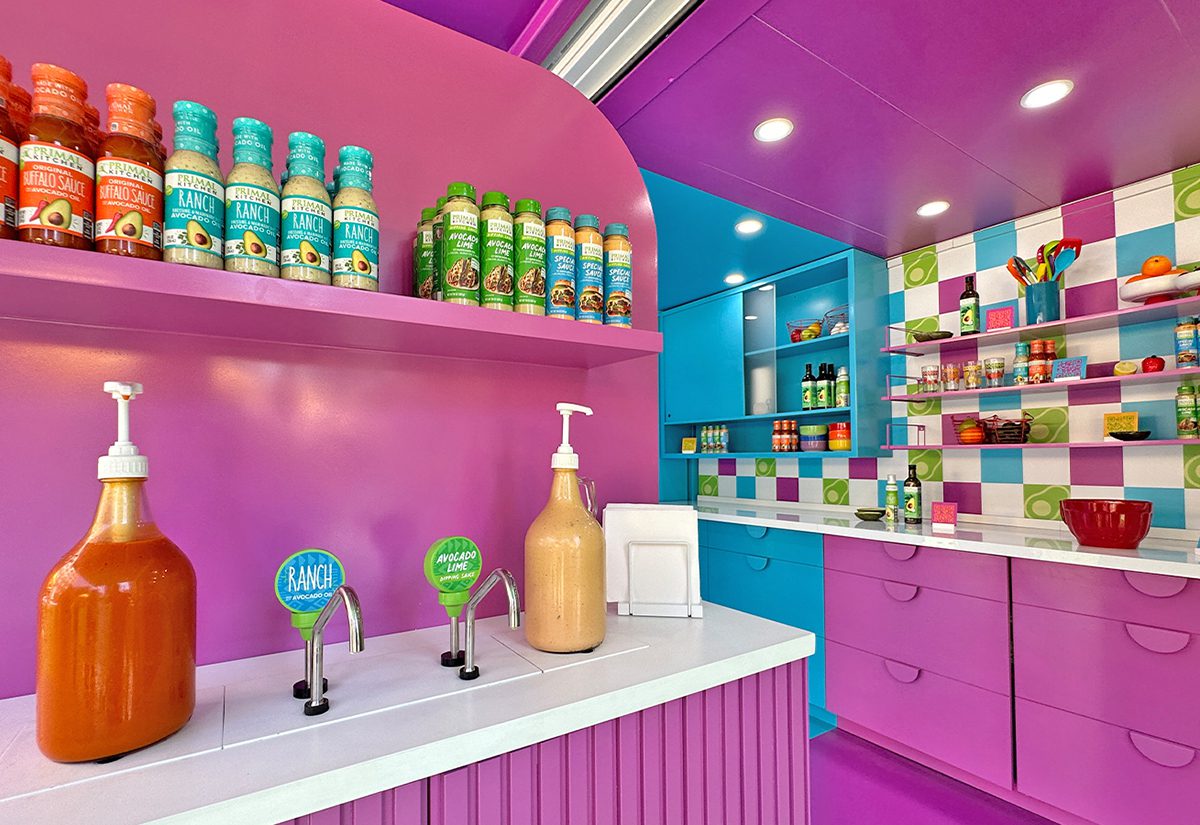
Digitally native CPG brands often find themselves in a pickle when it comes to driving trial and conversion. So when Pinterest user data revealed that searches for “clean food” rose by more than 9,700 percent and searches for “dips and snack hacks” increased by 100 percent, clean-eating condiment brand Primal Kitchen decided to take its online business into the wild.
Primal and Pinterest partnered on a three-city Colorful Kitchen Pop-Up campaign rooted in the platform’s data on top food and kitchen trends. The duo strategically timed the event series to grilling season, and with their sights set on millennials and Gen Z, the brands spiced up the typical culinary activation, handing the reins to foodie influencers and turning Pinterest’s digital f&b and décor trends into IRL experiences.
“We love to test and learn, and this year felt like the right time to make an investment. We had the perfect partner with the right trends, and that went perfectly with our consumer. We felt like this was the right next step for the brand,” says Ana Goettsch, head of marketing at Primal Kitchen. (Agency: CNC Agency)
TAKING RETAILERS OFF LOCATION AND OFFLINE
Ahead of the holiday season, Pinterest and Anthropologie teamed up to deliver a shoppable Holiday Showhouse retail event that was hosted inside a brownstone townhouse in Brooklyn, NY. The setup featured a series of lavish spaces inspired by the platform’s holiday trend stats, and decked out in twinkling seasonal home décor and furnishings from Anthropologie.
Together, the brands built a timely installation featuring unique Pinterest QR codes outfitted in every room that linked to shoppable boards on Anthropologie’s Pinterest profile. For the retailer, the program was a way to connect with consumers through an intimate, immersive retail experience that was out-of-store and offline.

Photos: Courtesy of Pinterest