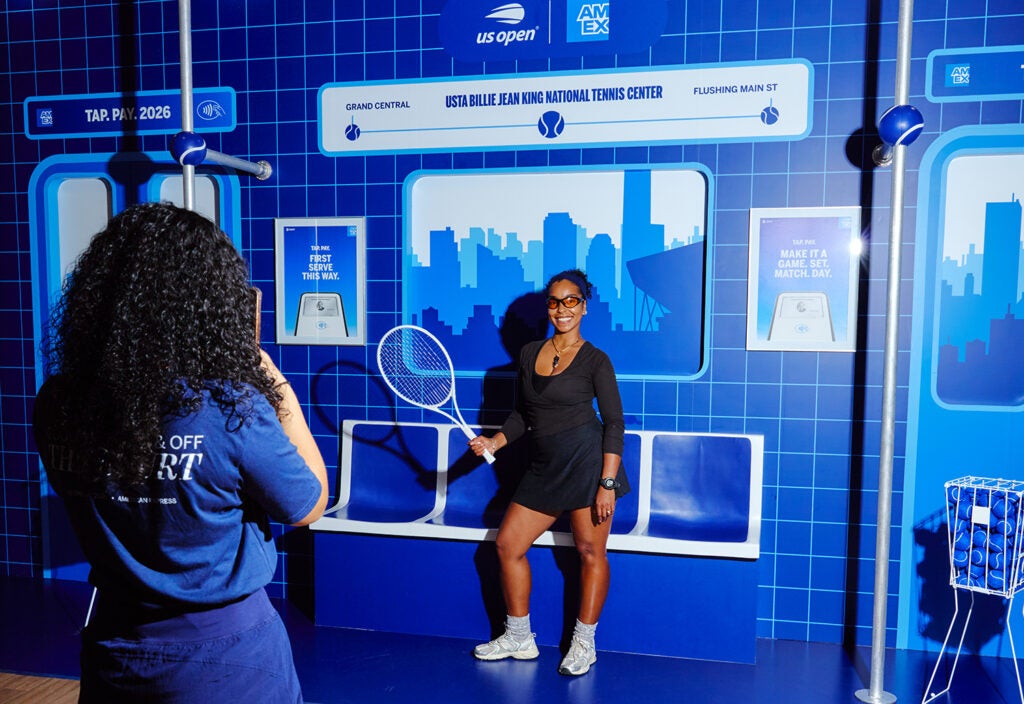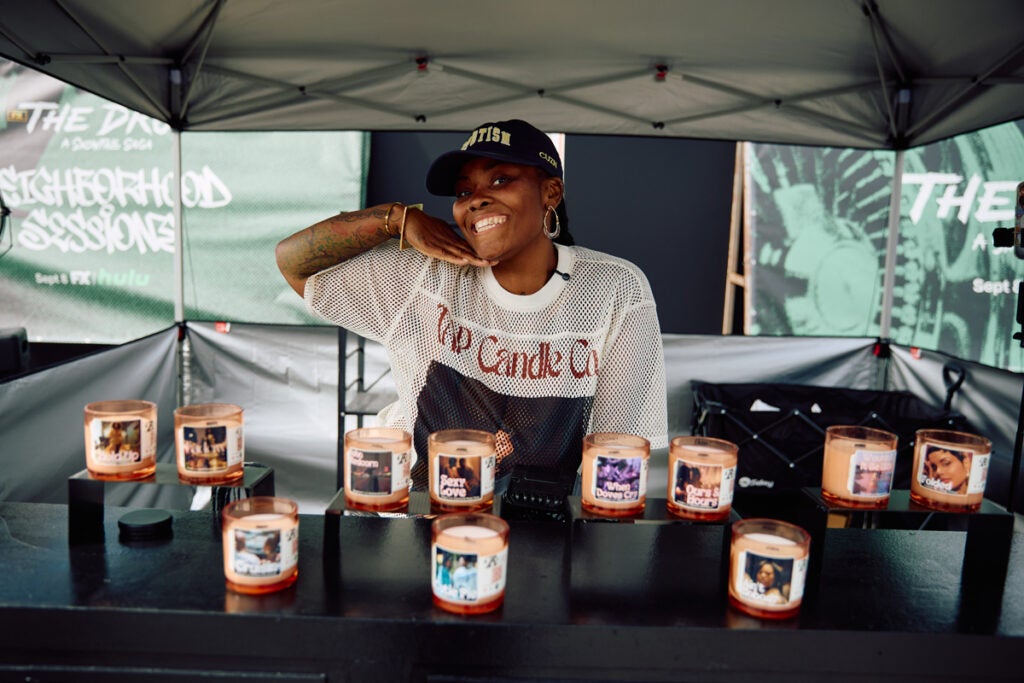
Event marketers are often accused of dealing in “soft” marketing metrics. Indeed, sometimes the magic of the moments created at live events are tough to quantify.
“We’ve all been there,” says Jon Wolff, senior global events manager, solutions and services group at Lenovo. “You pull off an incredible event, the energy was electric, attendees were engaged, and the feedback was glowing. Then you walk into the budget meeting and someone asks, ‘But what did it actually deliver?’ And suddenly all of that magic feels impossible to defend.”
It’s a fair criticism for event programs that haven’t optimized their ability to track and measure the success of the program both qualitatively and quantitatively. And that’s exactly why we’re taking a closer look at event engagement as this month’s “Metric of the Month.”
What is Engagement?
Engagement can mean a lot of things to a lot of different event organizations, and without a proper measurement plan, it can be easily dismissed as “feelings,” “hunches,” “vibes” and other unserious takeaways. But there are ways to wrangle the magic into meaningful data points that map back to business and company goals.
“Soft metrics aren’t weak, we’ve just never been disciplined about connecting them to outcomes,” says Wolff. “We have to stop reporting that ‘attendees loved it’ and start reporting that satisfaction scores jumped 23 points among your key buyer segment and correlated with a 17 percent shorter sales cycle. Same feeling. Completely different conversation.”
One way to shift the conversation is to change the perception of what a “soft” metric really is. “A ‘soft’ metric becomes serious when you first define it as an intended outcome and then identify upfront the signals that will prove it,” says Kevin Cobb, vp, technology innovation and experiential solutions at Augeo Experience.
Event teams often jump headlong into event execution without defining success for the event and what indicators—or intended outcomes—will prove that success. “When you do the work upfront, “soft” outcomes like trust, connection, or belonging can be supported by harder evidence: response to relationship-based questions, attendee behavior, follow‑through, and sales results,” Cobb says. “This becomes especially valuable when you track these indexes consistently across more than one experience.”
Karlene Palmer, senior experiential manager at Proximo Spirits, agrees and adds, “The discipline is designing the measurement before the activation, not after. Ask: what KPI does this tie to? What decision would this data inform? If you can answer that, the metric earns its seat at the table.”

How it is Applied
Palmer’s team translates “soft” metrics like brand sentiment and education into behavioral and conversion signals, she says. At a large-scale immersive event like the brand’s Tequila Town activation, for example, Palmer’s team doesn’t just measure “engagement.” They track sample-to-purchase intent, dwell time by brand, and post-event qualitative data. “Pairing qualitative feedback with tools like AnyRoad allows us to quantify shifts in consideration and link them to real business outcomes. The key is assigning every ‘soft’ moment a downstream action,” she says.
Intel believes “soft” metrics deliver critical insights and has assigned a unique metric to track them. “Measuring emotions, positive and otherwise—very important,” says Victor Torregroza, experiences program manager, global communications & events at Intel. “With our measurement agency, we’ve started measuring what we call the Experience Score. One of the metrics is how the event attendee felt at the event, or, Return on Emotion (ROE). While that may feel soft, it’s critical to know if the brand connected emotionally, relevantly with the guest.”
Jeff Haynes, founder at Brand Revolution Global, agrees with Torregroza and leans into ROE scores for his client’s events through surveys that capture attendees during specific activations on the floor and after the event. The surveys score how emotionally connected each attendee was and provides an overall Return on Emotion (ROE) score for the event, Haynes says. “If it is 86 percent or higher, studies have shown that the event has effectively connected the attendee emotionally with the brand. And 95 percent of decisions are emotionally based, so a high ROE score leads to the highest ROI,” he says.
Getting ‘Serious’
It might seem like a no-brainer for some, but for those event organizations who don’t have their attendees in Salesforce, HubSpot, or another CRM—what are you waiting for? There is no faster way to align “soft” engagement metrics with “serious” business outcomes than tracking an attendee’s journey into, and through, the sales funnel.
“If they are not in the CRM, the CRM should track when they convert and get officially put into the CRM and then it should be tagged to the events they attended,” Haynes says. “By doing this, you show the activity of all existing and potential customers that attended the event. Which is the best way to show the true impact on sales pipeline the event had.”
Evolving soft metrics into serious ones is also more successful when you take a longer view of the of the customer experience.
“We have to track behaviors across the entire event lifecycle,” says Rick Cosgrove, president and cxo at agencyEA. “That starts with pre-event social signaling to first quantify how many attendees are striving to make meaningful connections. During, it’s all about the touchpoints and those are the easiest metrics to measure. Post-event, we measure ‘residual recitation’ to see if key insights are still being quoted or tagged months later. Finally, we evaluate brand-led outreach to determine if those interactions result in a reciprocated, long-term sense of community.”
And once you approach your metrics from a customer lifecycle perspective, you can start to see a story develop—and how the “soft” quantitative moments add up to a more qualitative story to tell.
“Stop measuring moments and start tracking movement,” says Wolff. “One post-event survey is a snapshot. Capturing sentiment before, during, and 30 days after gives you a trendline, and trendlines tell stories that protect budgets. Every qualitative signal has a quantitative shadow. Our job is learning to cast both.”
Image Credits: iStock/Sergii Kozachko; iStock/Pikovit44