

(Photo: Anna Huddleston/Event Marketer)
Some 2,600 unserved meals were donated by the Washington Hilton after the White House Correspondents’ Association (WHCA) dinner was cut short on April 25 by a gunman. During a rare and dramatic event, the staff were able to follow the established food-saving protocols and didn’t let the meals go to waste.
The Washington Hilton is among a growing number of venues that take better food management practices seriously as part of the overall commitment to sustainability practices. But food waste remains a significant industry problem. Every gala, lunch buffet and exhibitor hospitality lounge becomes an opportunity for untouched meals or items to be discarded, and contribute to increasing waste and higher food costs.
A recent study, “Low-Waste Events: Measuring & Reducing Food Waste in Events,” by The World Wildlife Fund (WWF) and the food waste nonprofit ReFed measured the impact of food-waste reduction guidelines at pilot project sites at just six business events held in 2025. It discovered that out of 20,000 meals, over five tons of food went uneaten, with the amount split nearly evenly between recovered and discarded. Extrapolated nationally across the 1.9 million business events hosted in the U.S. each year, this equates to roughly 55,000 tons of food wasted annually, valued at more than $330 million, the report says.
Convention centers are at the top of list when it comes to food waste in relation to other event venues, according to the recent Venue Sustainalitics report, generating a consistent surplus from banquets and other forms of catering. They’re also on the forefront of developing better food management practices and actively building community relationships for donations.
“We do our absolute best to donate as much as we can after determining the quality and safety of any food returns or overflow product,” says Aileen Semjan, RIC manager, Legends Global, Moscone Convention Center in San Francisco. The venue works with Mobilize Love and Extra Food, among other organizations, to donate a wide variety of products from buffet items packed into single-use pans to produce and frozen items. The 2025 monthly average was about 8,020 pounds donated and 6,683 meals served per month, Semjan says.
There’s clearly a lot of potential to develop a new culture when it comes to food consumption at meetings and events, says Dr. Aurora Dawn Benton, founder of Astrapto, who advises venues and planners on better food management practices. So what can exhibitors do to minimize waste and also cut costs when it comes to meals associated with their programs?
Related:
- Green Lights: These Eco-friendly Event Giveaways ‘Self-destruct’
- Three Ways MegaFood’s Booth at Expo West 2025 Solved for Sustainability on a Budget
Start with strategy.
“We have to fundamentally rethink hospitality and whether we’re just putting calories in front of people,” Benton says. “Consider how food and beverage fit into the overall plan for the event and how they connect to what matters to your organization. Do you have messaging to play it up? Is it intentional? Does it feel curated?”
Ask and listen.
Feeding the people what they really want to eat is the easiest way to avoid waste. Benton suggests including questions about food preferences in the registration process and challenging your own bias when it comes to favorite items. Breakfast burritos and yogurt parfaits are popular with very different audiences. For events with multiple meals, ask which ones people intend to attend.
Reconsider top offenders.
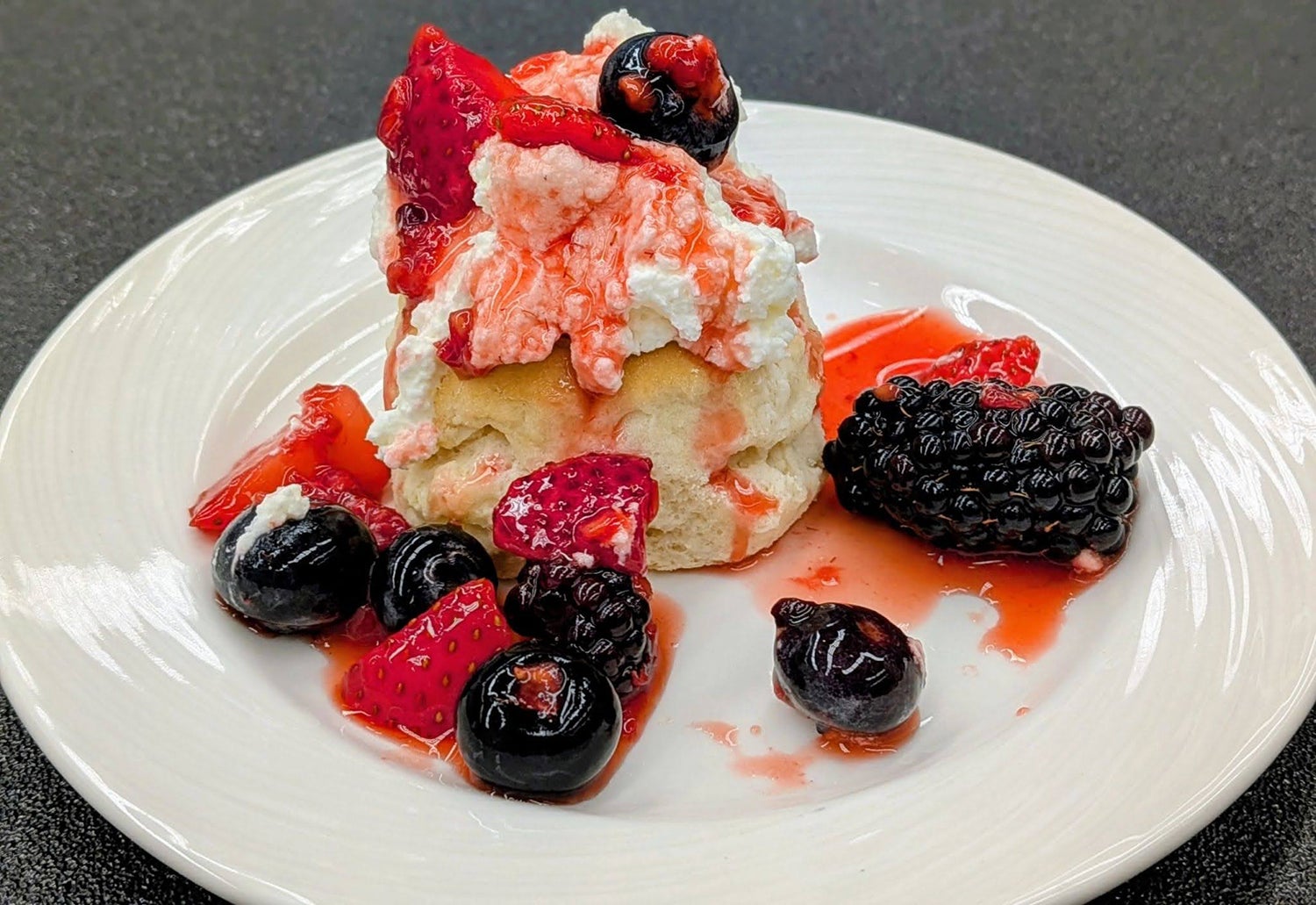
Cheese trays, crudités platters, breads, scones, bagels, pastries, dressing and sauces are routinely tossed. Surprisingly, fruit is also on that list, according to WWF.
(Photo: Anna Huddleston/Event Marketer)
Meat? Vegan?
There’s growing research that meat products contribute to greenhouse gases, particularly when it comes to red meat. Protein options are a menu staple, but the number of proteins served can be safely reduced to two in many cases, Benson says. She notices that vegan options, which might seem like a perfect alternative, often go untouched. “Vegan waste is still a waste.”
Do the math.
“Based on our experience supporting event operations, food waste at booths and hosted hospitality activations is most often driven by overestimating demand and serving too much product at once,” says Christopher Williams, operations administrator, safety and sustainability manager at Oklahoma City Convention Center. The venue partners with Go See the City to support several local organizations, providing more than 1,500 meals between May 2025 and January 2026 alone.
Running out might be OK.
The current philosophy favors the appearance of abundance, but is replenishing a buffet closer to the end of service truly necessary? If the intention is to have few leftovers, it should be clearly communicated to the culinary team, which is trained to keep the chafing dishes full. It could also be used as an opportunity to communicate the brand’s commitment to sustainability.
(Photo: Anna Huddleston/Event Marketer)
Measure and record.
The actual consumption data can be invaluable for planning the menus for future events. Something as basic as phone snapshots of leftovers can help inform future buffet choices.
Make it donation-friendly.
Convention centers and other event venues often work closely with local organizations that serve the community, but food distributed through those channels has to meet certain criteria. Williams says that in an effort to maintain the presentation, brands often set out full quantities of food early, which can result in excess that cannot be safely redistributed. Pre-made trays that are set out all at once and not fully consumed, along with highly perishable items, make it hard to donate.
“Even small changes in how food is staged, monitored, and replenished can make a meaningful impact on reducing waste in booth and event hospitality settings,” he says. We agree.