
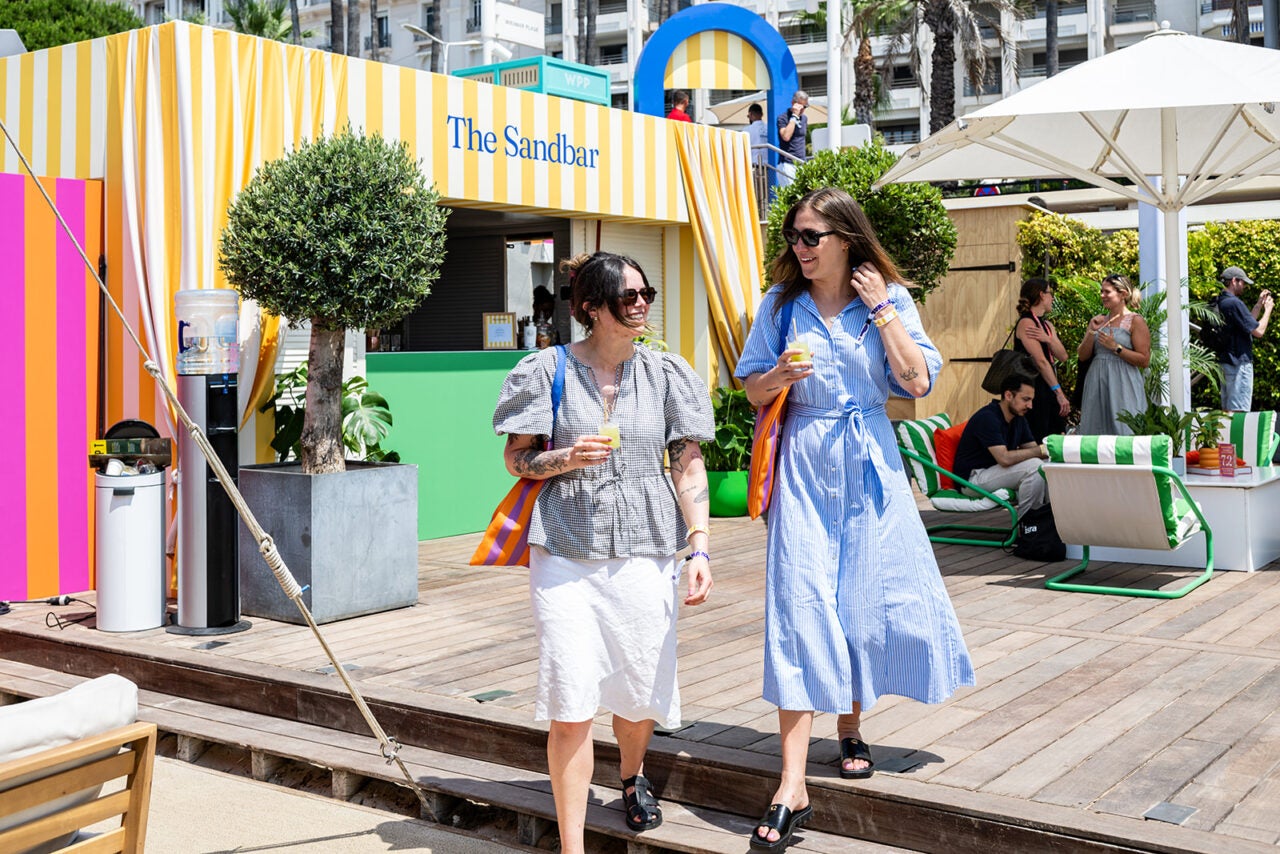
It’s a good problem to have. With the event industry thriving and market forecasts pointing to sizeable growth, the vast array of conferences and meetings to choose from has made attendees more judicious than ever about where they’ll spend their precious time and money. In response, event marketers have been digging deep to build the kinds of tailored interactions, messaging and touchpoints that add real, concrete value to their experience.
The topic certainly had the attention of the 2025 B-to-B Dream Team during our one-on-one conversations with the honorees, many of whom shared the tactics they’re using to address the unique needs of their audiences, and in turn, deliver valuable on-site experiences. Following are insights from our discussions.
They want to do business.
“We often talk about what’s really driving people to events. After working through the challenge of getting people to come back, we’ve learned what truly motivates them. It’s clear that, in addition to learning, people want to do business at these events. They want to be able to show their companies that their time was well spent and that they were productive, which is becoming an essential part of the in-person experience.”
–Valerie Strehle, Senior Director-Global Events, Workiva
Make it tangible.
“We’re always talking about tangible takeaways. You’re going to be able to walk away learning something new, implementing something with a new idea, a new approach on how to solve your law firm’s problems for law firm support staff, how they become better administrators, and how they get access to new training, new people, new resources to elevate themselves and their teams. So we’re constantly talking about value, value, value—if you spend time with us, here’s what you get.”
–Nefra MacDonald, Director-Strategic Engagement, Clio
Internal education is key.
“We started engaging with them in a way that we had never done before, educating them on the value statement of the program. It was a different approach for us, and we did it smartly with good research, thoughtful internal education and marketing, and activating a sales team that allowed our relatively small events team to use hundreds of AEs on the front line who engage with clients, and to evangelize the program.”
–Rachel Langley, VP-Events, Visa
Don’t lose your brand identity.
“You kind of have to walk and chew gum at the same time and find different ways to speak to each of those audiences without changing your identity or your voice or who you are and always being uniquely you, which I think is the most valuable lesson that I’ve learned over the past three and a half years. When you show up authentically and organically, that resonates with the audience, and people see that and recognize that.”
–Jimmy Knowles, Global Head of Experiential, Canva
Don’t choose style over substance.
“In general, I still see a lot of blitz without any substance. If your goal in having coffee bars or giving away ice cream is to have nice hospitality for the people who you really want to talk to or the meetings that you have set up, then great. But if your goal is to get a ton of leads, then I would wager that if you covered their eyes as they’re waiting in line and said, ‘Hey, thanks for coming to our booth. What is the name of our company?’, they would not know. They are not interested in talking to the sales people at the booth.”
–Michelle Martin, Senior Director-Marketing, 4DMedical
Prove you’re one of them.
“People who go into a nascent space like crypto and blockchain do it because they truly believe in the technology, use it in their daily lives and want to spread the gospel of what it is and could be. In order for us to be effective, we have to match that same level of passion and show them we are part of the ecosystem.”
–Pedro Chira, Director-Global Field Marketing, Circle
Move from ‘descriptive to prescriptive.’
In the rapidly approaching AI-powered world, teams are moving from “descriptive to prescriptive” in data analysis, paving the path to even more purposeful and personalized attendee experiences:
“What I expect is that there will be a need for real, authentic, in-person connections, and that they will become more valuable than ever before. I think events and briefing centers will become that anchor of trust, places where real connections, real conversations happen, and where you can build real relationships. And then AI will still play a role behind the scenes, and you can use that to orchestrate journeys and tailor content, but the front stage will always be about people.”
–Joost Bijsterveld, Director-Global Customer Experiences, Philips
Recognize content consumption habits.
“When you think about putting VR headsets on and encouraging [older] attendees to engage with content in that way, they can be a little bit more hesitant. So we’ve been utilizing different technology in order to show our content in a way that’s more engaging and approachable for them.”
–Kelsey Schneider, Global Event Manager, GE HealthCare
Featured photo: Courtesy of Canva