You don’t have to measure everything. You just have to measure the right things.
Successful event measurement practices are selective about what they track and measure.
Throw too many technologies at an event, and you can end up with too much data and not enough meaning. Deploy too little tracking tech at your event and you may be missing some key metrics proving that the event did, in fact, made a difference.
The perfect event measurement tech stack aligns with your company’s objectives to generate data that ultimately proves the investment in the event made a difference. And for many event marketers tracking the elusive “engagement” metric, the killer app is beacon technology.
“Beacons everywhere!” says Rick Cosgrove, president and cxo at Agency EA. Cosgrove says that when it comes to tracking and measuring attendee engagement at events, beacons are his go-to tool. “Every day we have live data on where people were, their linger times, what they skipped and what had repeat traffic,” he says. “This data has been crucial to helping us decide how to evolve our layouts year to year, and where we put priority items so that people are more likely to touch even more of what we’re trying to show them.”
In this installment of Measurement Tech 411, we take a closer look at beacon technology to help event marketers understand what metrics it tracks well, and how best to use it.
* * * * *
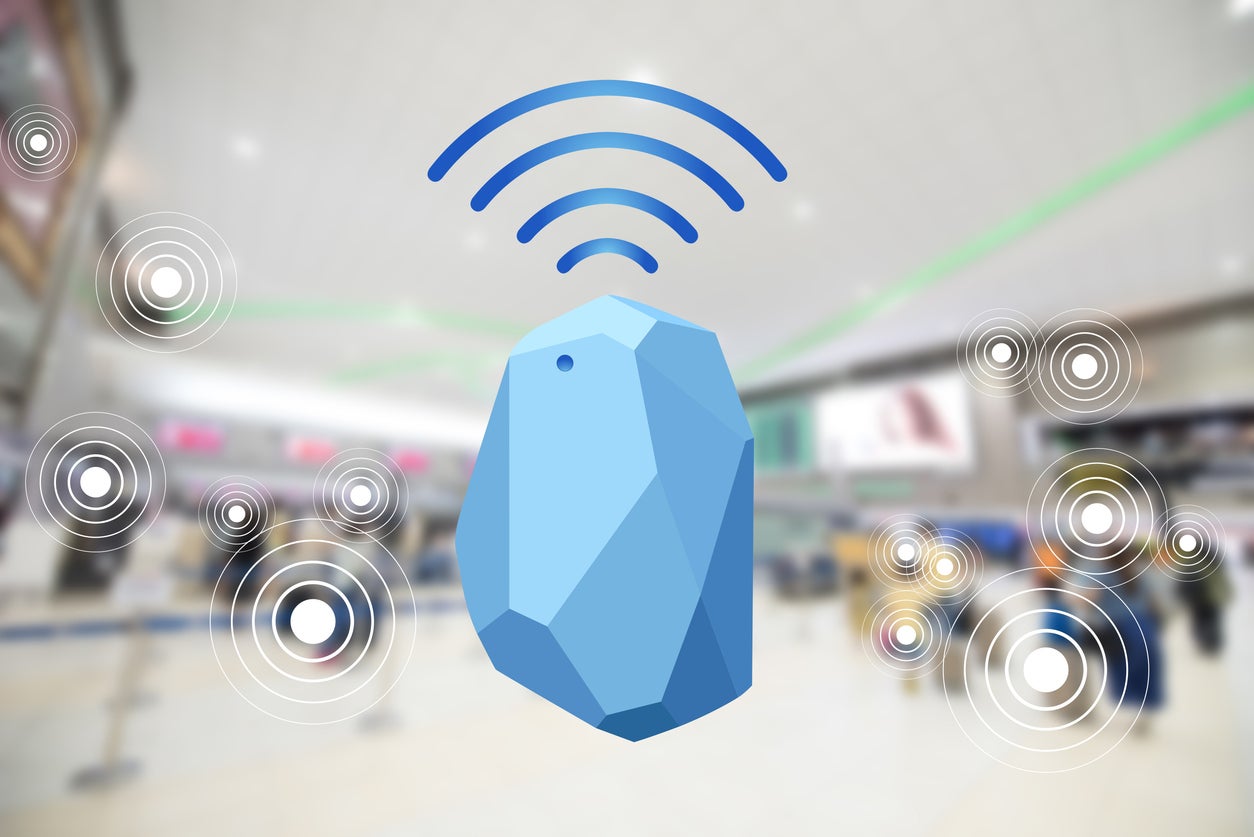
First things first, beacons are small, wireless devices that are placed discretely around an event footprint. Typically using Bluetooth technology, the beacons act as proximity sensors, pinging attendees’ smartphones when they come within range to interact in real-time with personalized offers and content, or with instructions designed to guide them through the activation. Beacons can also quietly track each attendee’s activity within the defined space.
Beacons excel at capturing data points around each step in the physical attendee journey, ultimately revealing when and how long guests interact with specific elements or activations, says Matt Sincaglia, svp at RedPeg and board member at the Event Marketing Measurement Association (EMMA). “That data can include foot traffic counts, dwell time at sessions and exhibits and heat maps that visualize how attendees moved and concentrated their time throughout the venue.” These insights into foot traffic and dwell time offer real numbers that can help to identify whether or not the content and creative enticed attendees to engage.
“Dwell time is the most honest engagement signal you have,” says Karlene Palmer, senior experiential manager at Proximo Spirits, who has used beacon technology for her events (partner: LiveGauge.) “Foot traffic numbers look great on a recap slide, but how long someone stayed in a specific brand zone tells you whether the experience worked.”
Getting the most out of your beacon technology investment means being crystal clear about what your event goals are, and what data needs to be tracked in order to assess if it was successful. Dwell time metrics, for instance, can point to the sticking power of specific areas of an event and the performance of the message being conveyed. Personalized offers that attendees opt into can drive lead gen metrics, sales or other immediate actions that point to a successful activation.
Perhaps the most powerful metric beacons can offer is real-time engagement data that tells the story of what’s working in your activation, and what’s not, as the event unfolds. “For multi-day experiences, these insights can offer an effective and data informed impetus for adjusting the event to optimize attendee movement and engagement,” says Sincaglia. “Operationally, you can use it to uncover peak periods that may require extra staff or identify congestion points that suggest layout shifts.”
And all of this data can be analyzed and utilized year over year to sharpen and refine the experience for better ROI. “By measuring against expected results or historical data, you can get a better sense of how things are really performing,” Sincaglia says.
* * * * *
Finally, a word of caution when using beacon tech at your next event. Just because you can trigger notifications based on location, doesn’t mean you should. “A quick way to increase apathy or erode trust is by peppering someone with unwanted and unuseful content,” warns Sincaglia. “Make sure you are adding value in contextually relevant ways.”
Image Credits: iStock/PHOTOGraphicss