In this series, we’re exploring how experiential marketers are approaching their surveys—from the methods to the madness, and everything in between. Check out last month’s tips here.
At AWS re:Invent 2025, Intel set out to create an impactful presence on a highly competitive show floor, and also prove the investment moved the needle.
“We wanted to show up boldly, authentically engage attendees, increase purchase intent, measure continuously, and improve,” Victor Torregroza, experiences program manager, global communications & events at Intel, explained during a session at the 2026 Experiential Marketing Summit.
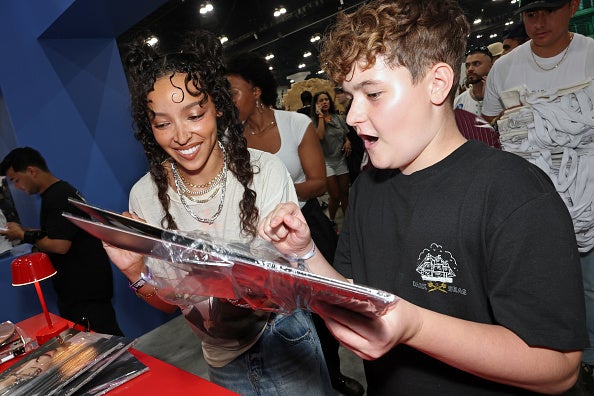
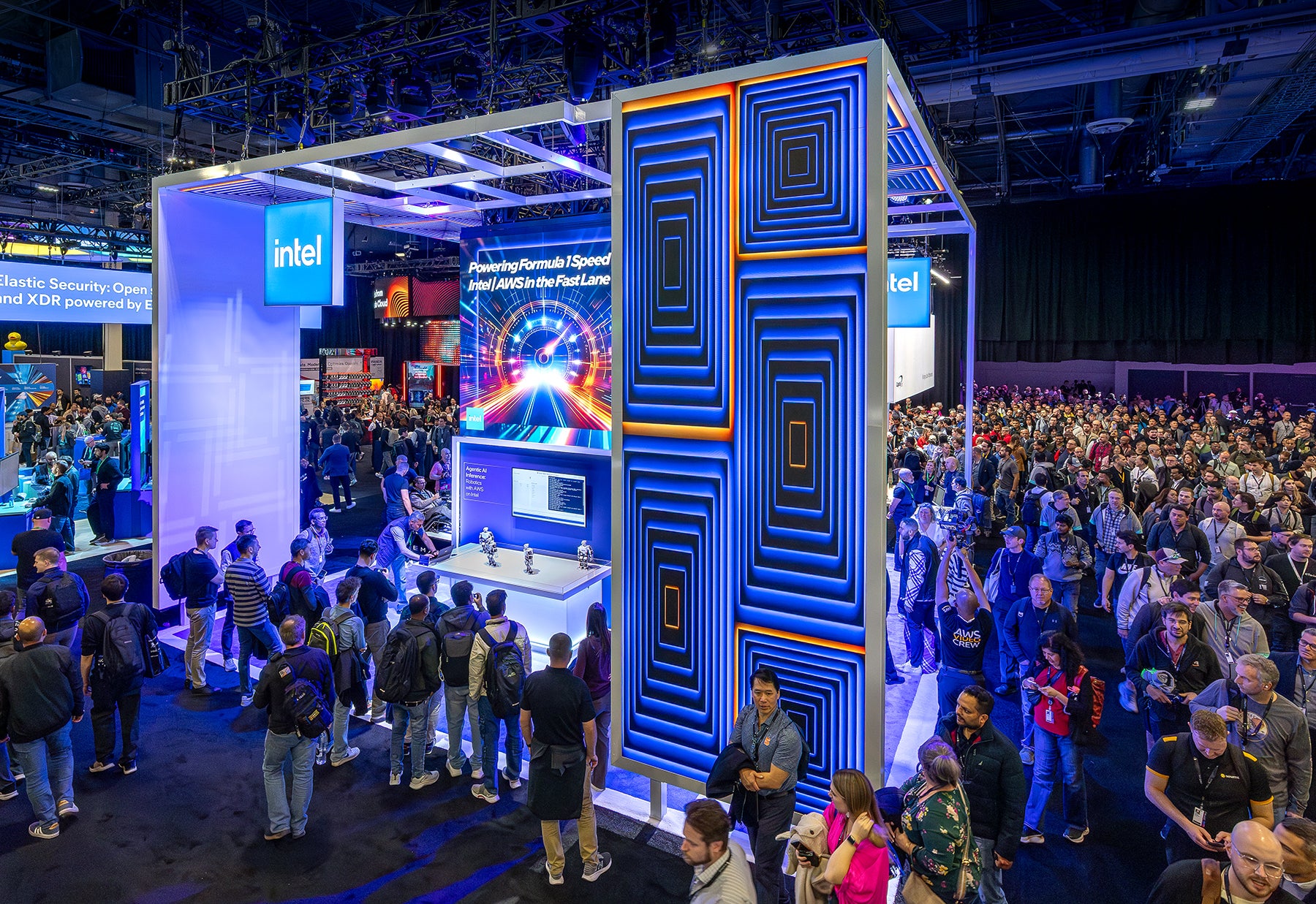
Decked out in Intel’s brand colors, the award-winning 30×30 booth featured “surprise and delight” moments designed to pull attendees into the experience, including a camera activation that captured lucky attendees for prize giveaways and a calligraphy artist who personalized hats. The moments generated engagement both on the show floor and across social media.
“We recommend a handful of KPIs that go beyond ROI,” says Joe Federbush, president and chief strategist at Evolio Marketing, which handled measurement. “That is a very aggressive metric for a trade show. A lot happens before the actual sale, so focus on the experiential side.”
To design surveys tailored to a specific event, Federbush suggests thinking in terms of three buckets:
- ROX (return on experience): Focus on what stood out in the overall experience. For an expensive or unique activation—was it effective? Do it again, don’t do it again, modify it?
- ROE (return on emotion/sentiment): How did the attendees feel about the experience? Ask them to rate their level of agreement with key messages.
- ROI: Not “are you going to buy, how much, how soon,” but what actions are you going to take as a result of visiting? Will they request a meeting? Start following on social media? Look for more information?
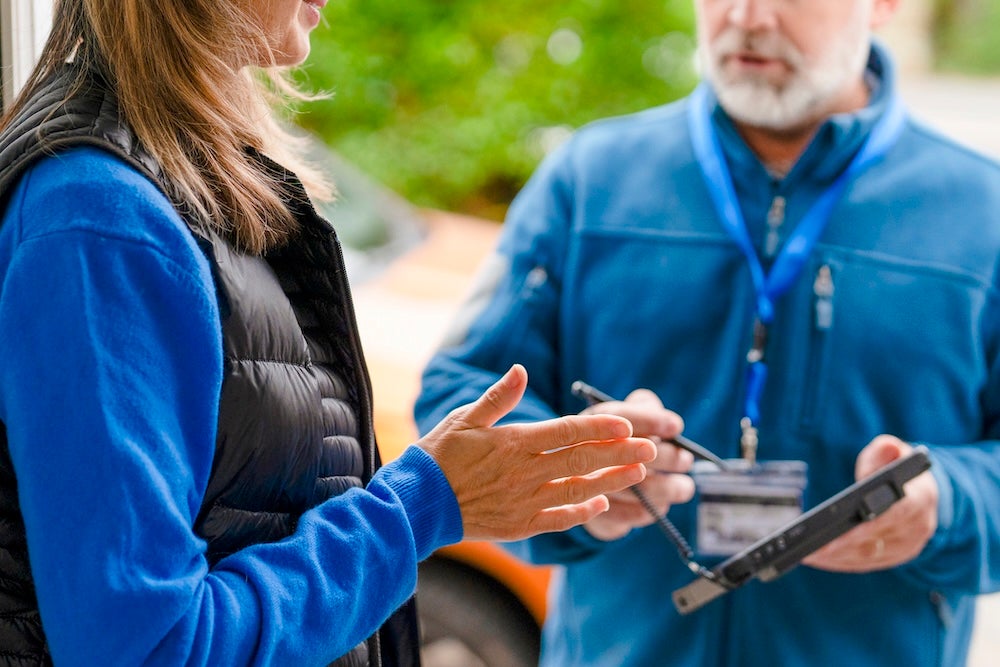
Leveraging a pre- and post-visit survey strategy at AWS re:Invent, the team approached attendees in the aisles and asked them if they’d visited Intel’s booth yet. If they said No, they became part of the control group. Another part of the measurement team surveyed attendees leaving the exhibit to understand the change in results.
“The key question was: what if we weren’t here?” says Federbush. “That’s what the pre-post methodology allowed us to prove. We could see a significant lift between the two and exactly what the visitor experience delivered in terms of the KPIs.”
The results were presented in an in-depth report, as well as a one-page slide highlighting areas of success and improvement. “Feelings are not facts,” says Torregroza. “This data is the science that proves our budgets and our results as event marketers.”
Photo credits: iStock/BestForBest; Courtesy of Intel (Ex Awards 2026)