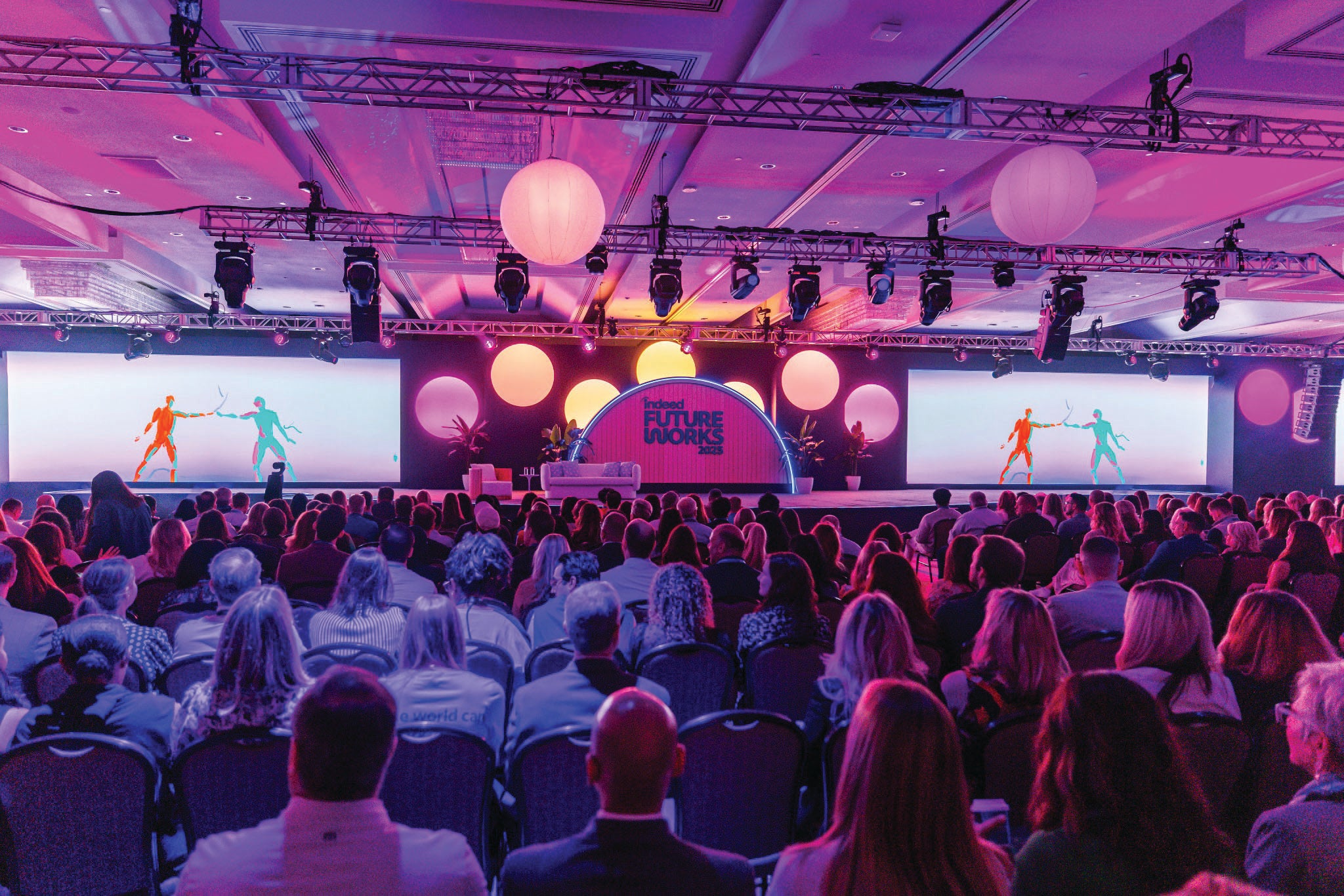
The room fills up, speakers take their places, and months of planning come together. But once everyone leaves, a tougher question remains: Was there actually an impact?
In 2027, experiences need to earn people’s time and prove their business value. Three shifts will shape how brands approach that challenge.
1. AI Shifts from Content Creation to Smarter Decision-Making
AI can generate an agenda in seconds. The bigger opportunity is understanding which sessions deserve a place on it. To make that decision, teams need to draw on what they already know. Registration, on-site behavior, CRM data, surveys, and agency learnings often sit in separate systems. Knowledge can disappear when vendors change. Connecting it across an event portfolio allows each experience to build on what came before.
In 2027, clients will increasingly expect that intelligence to guide investment, programming, and audience engagement. Reporting what happened is the starting point; the value comes from deciding what to do next. That thinking informs our work through FIONA, FIRST Innovation & AI, where we’re connecting knowledge across programs to help teams make those choices.
That same intelligence should support creative taste and judgment, not replace them. Data can inform decisions, while AI accelerates design and idea generation, giving teams more room to explore, experiment, and refine.
2. The Next Brand Experience Might Already Have an Address
A workplace hosting clients, a showroom gathering a community, or a hospitality space welcoming repeat visitors can all shape brand perception. Yet these experiences are often planned separately.
Bringing those experiences together means connecting the teams behind them. Marketing, workplace, operations, and customer-facing teams can treat existing spaces as connected channels, working toward a shared experience strategy.
In our work through FIRST Workplace Solutions, that shared strategy starts with understanding how people use these spaces day to day and making the experiences within them more useful, consistent, and connected.
3. The Best Experience Takes Work Off the Attendee
At a keynote, pop-up, or launch, you’ll see phones out, laptops open, and people splitting their attention between the stage and everything else. Adding more programming isn’t always the solution.
Sometimes, the better response is to make participation easier. At big conferences, attendees may have hundreds of sessions to sort through, people to meet, and competing demands on their time. Good experience design handles some of that work upfront, with clear paths through the agenda, relevant introductions, and follow-up shaped by what people attended.
The aim is to help people choose with confidence while leaving room for discovery. Clear session descriptions, realistic transition times, and opportunities to join a conversation without a formal introduction can make participation feel less demanding. That gives attendees more energy for the experience itself.
The main question for marketers: What can we take off attendees’ plates so they get what they came for?
Better Experiences Start Before the Doors Open
Use what you already know, connect experiences across existing spaces, and remove unnecessary friction.