This story is part of EM’s special report on campus experiential marketing. Read the full feature here.
It’s well known that college students have busy lifestyles on and off campus, so to earn their time and attention, brands need to be armed with relevant and meaningful live engagements. Here’s what a collection of event marketing “professors” say matters most.
Map Out Relevant Locations
Determining which markets and schools to visit requires more than throwing a dart at a map. From private vs. public institutions, to universities that offer Greek life, to HBCUs and beyond, there are myriad audience types to choose from, and the locations that are ultimately selected for a college campus campaign should map back to the brand strategy.
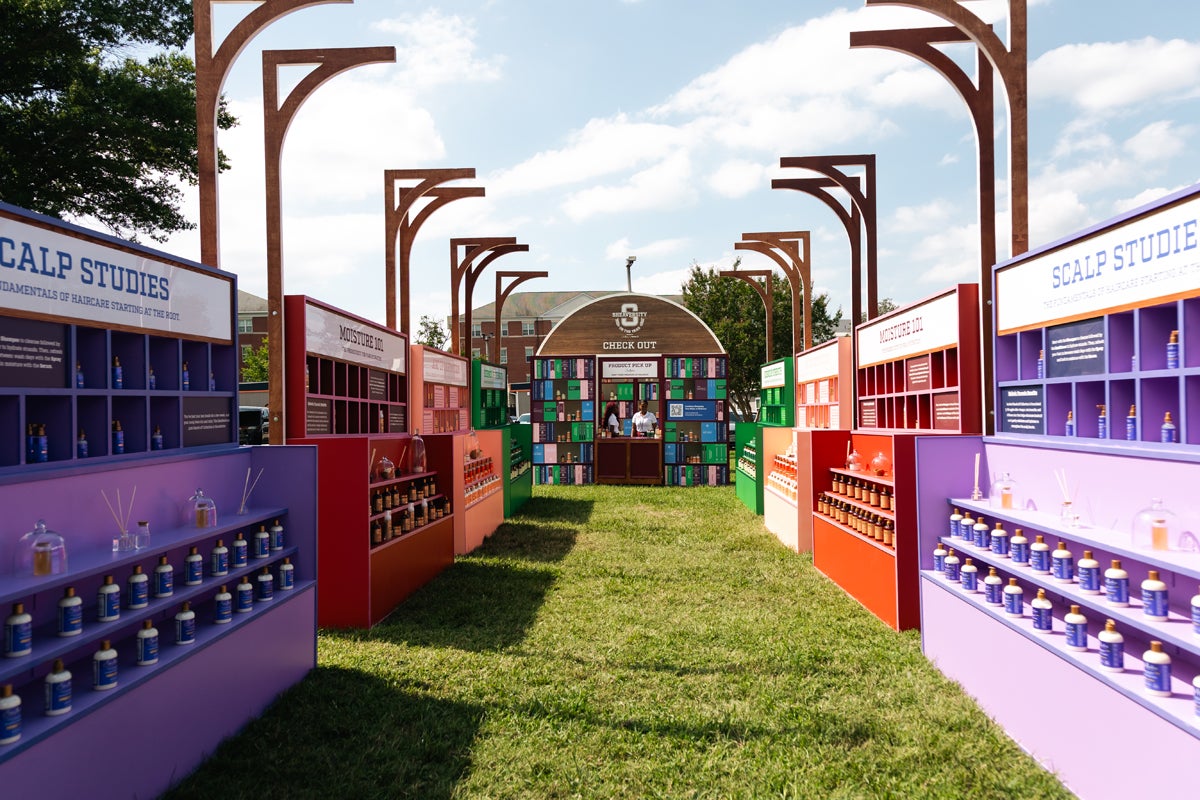
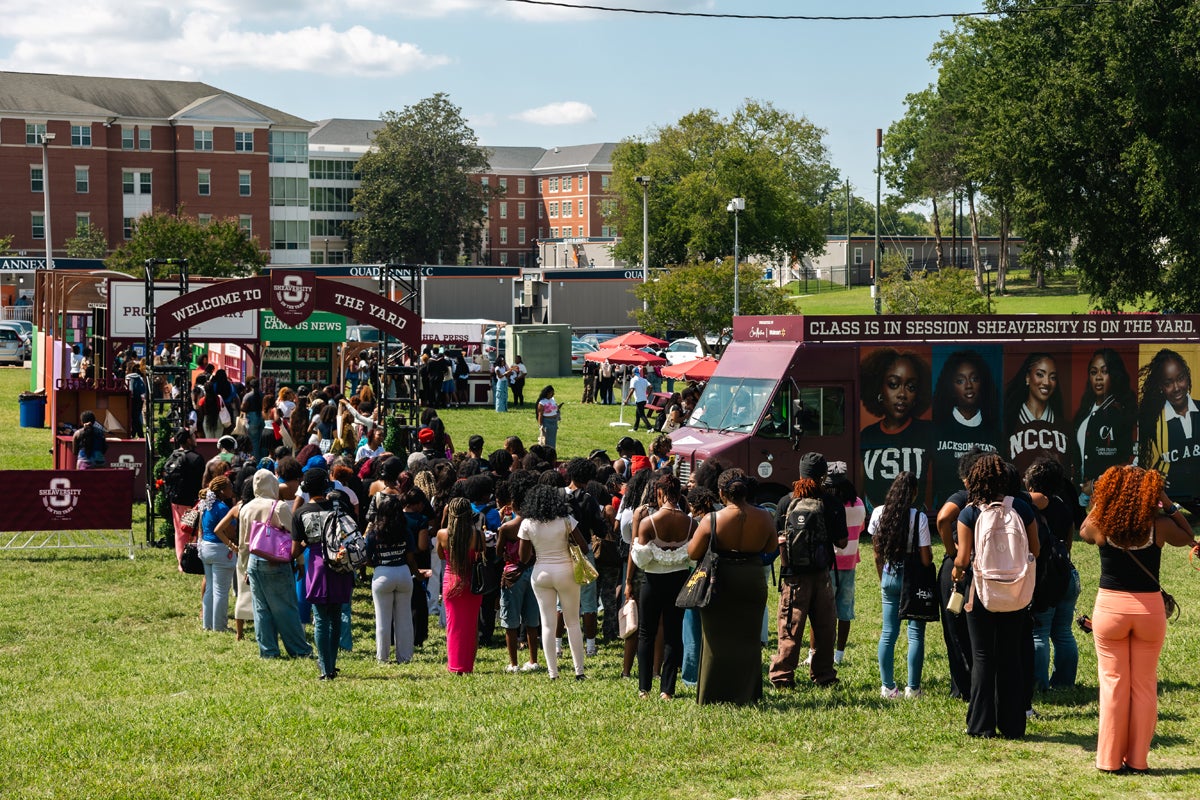
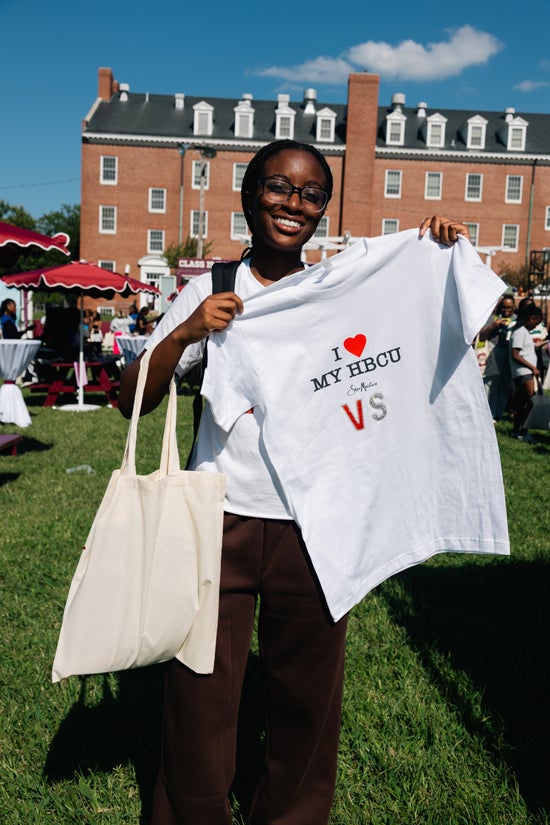
SheaMoisture, for example, didn’t chase the typical go-to HBCUs; it wanted to provide access to students at lesser-known schools within that umbrella.
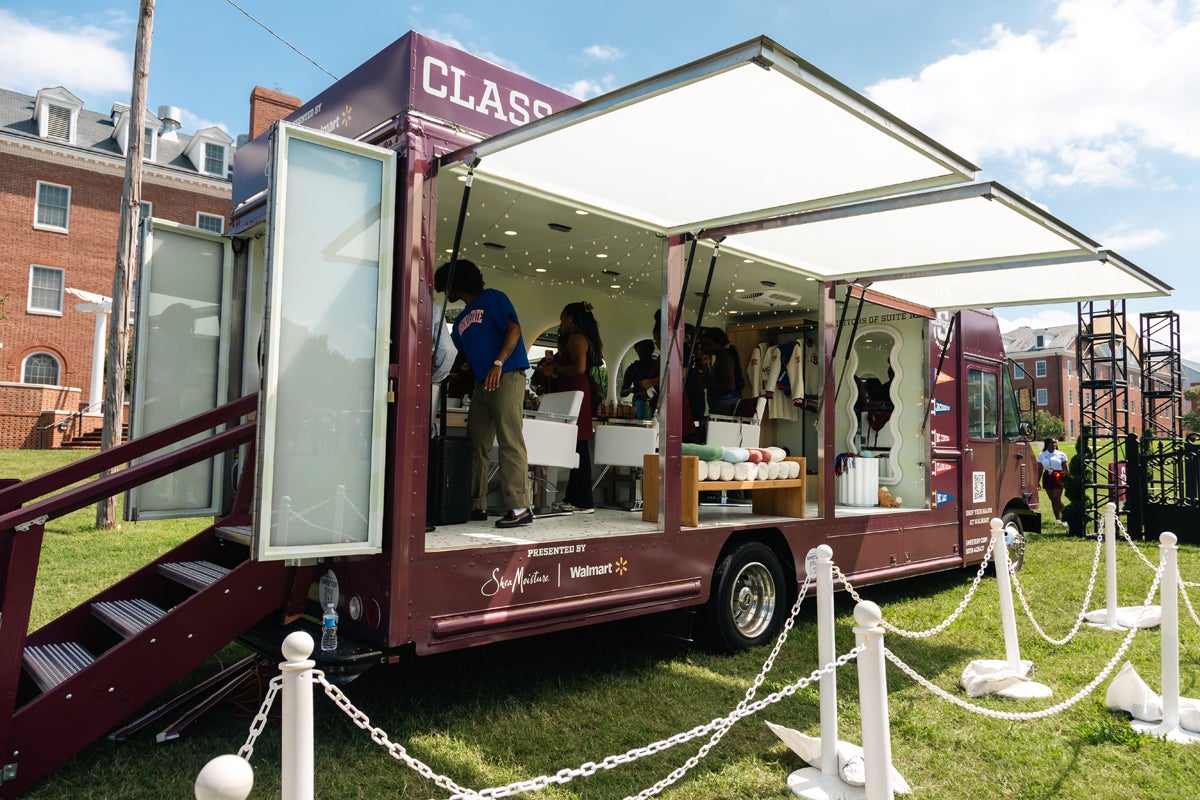
“We’re intentional about going to places that are underserved, and that brands, talent, celebrities and experts don’t really show up too traditionally,” says Wright. “We wanted to go to some of the more untapped markets and more rural areas. And also, our partnership with Walmart is about providing accessibility and affordable prices to students. So we chose campuses that were in about a five- to 10-mile radius of a Walmart.”
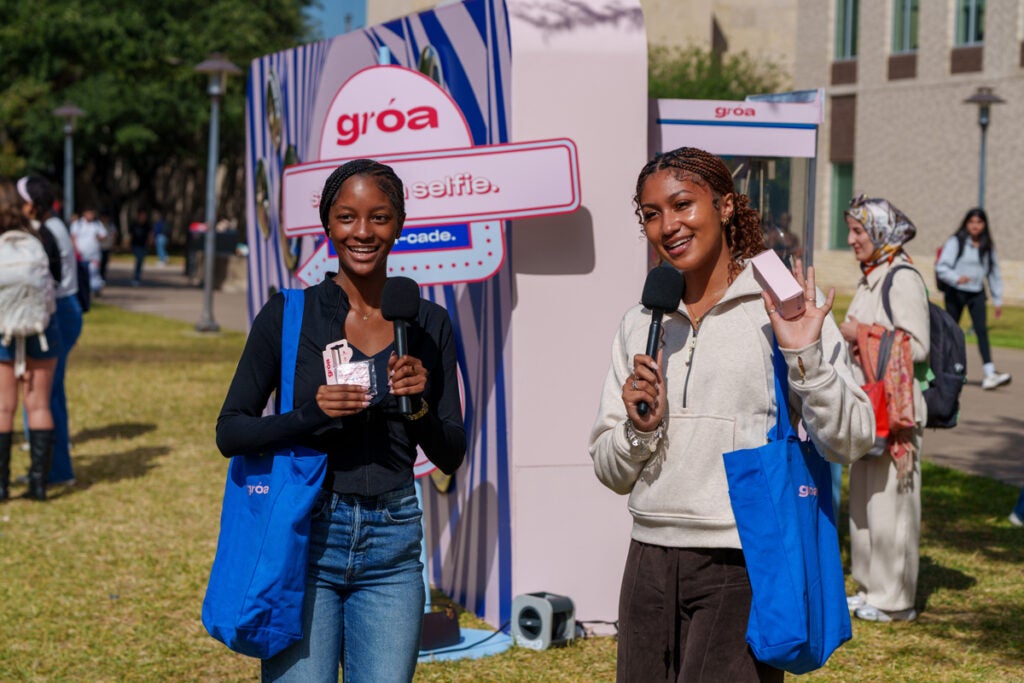
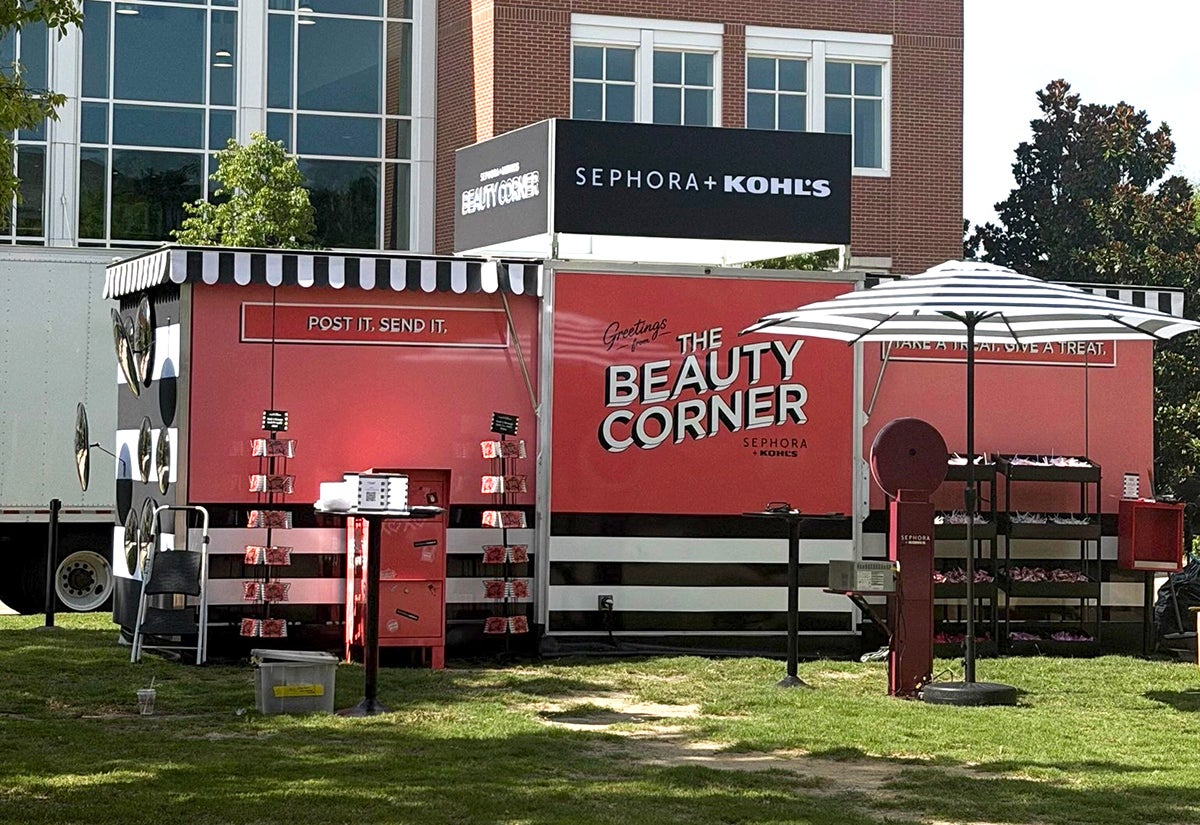
A drive-to-retail strategy was also behind Sephora and Kohl’s Beauty Bodega pop-ups, which were designed to remind students how convenient it is to buy their beauty essentials at Sephora at Kohl’s stores. In that spirit, the brands chose to activate at schools located within five miles of a retail location.
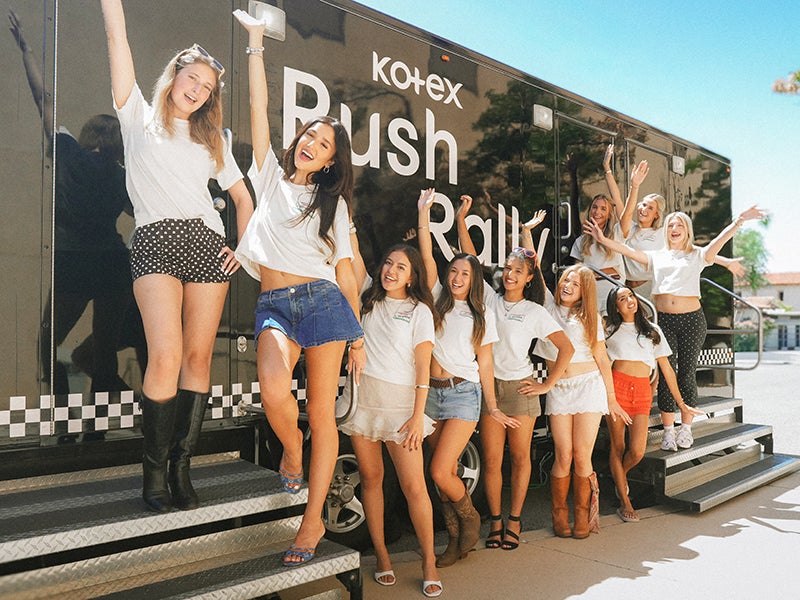
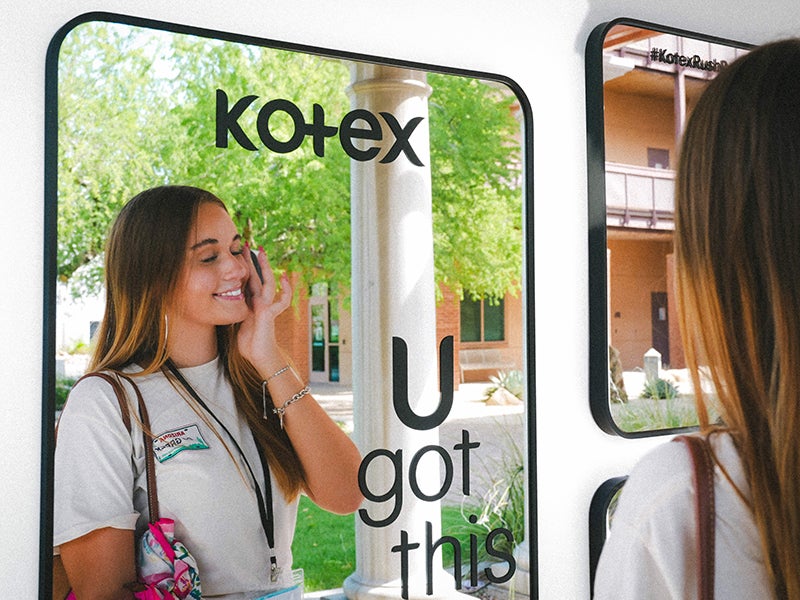
Meanwhile, Kotex bypassed mega-popular RushTok schools in favor of rising institutions.
“The team did a lot of vetting in terms of what were the up-and-coming universities that have large sorority footholds and culture, and the obvious ones are Bama, Southern state universities,” Moy says. “But we were looking to more emerging and new universities that are on the cusp of these bigger rush moments.”
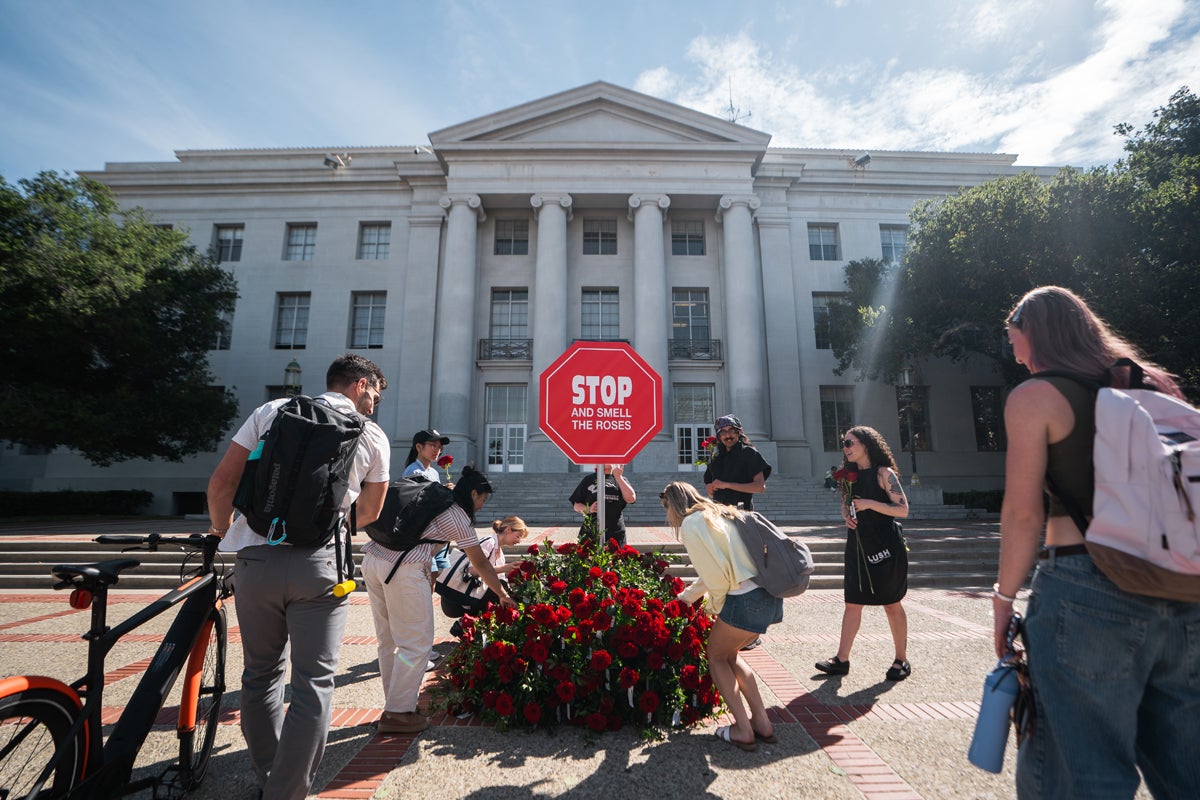
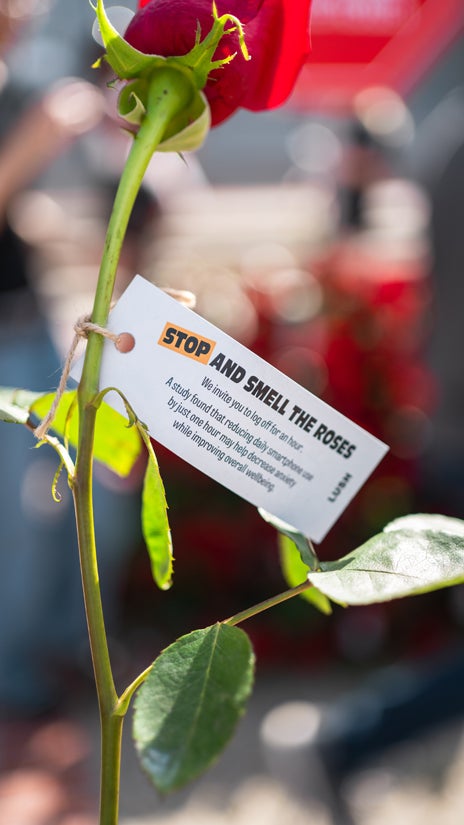
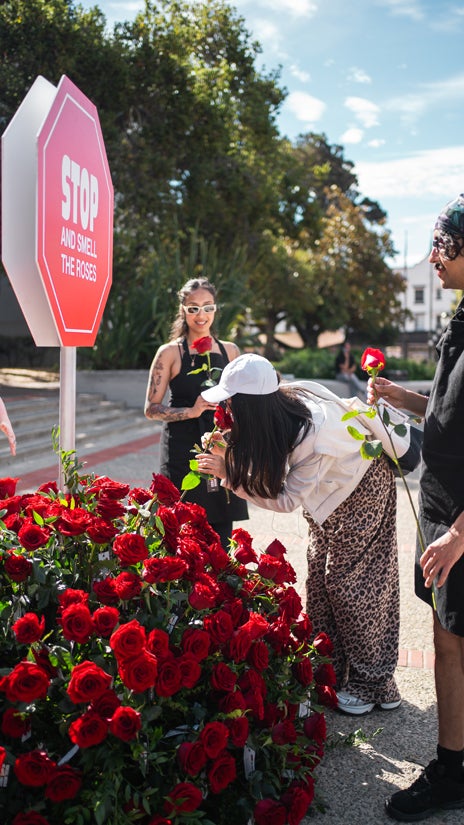
And for Lush, choosing to activate at UC Berkeley over the fall was particularly purposeful. The brand’s Stop and Smell the Roses activation invited students and faculty to literally pause and pick a flower from a giant rose bush as part of its broader Safer Socials campaign, which encourages consumers to think critically about the hidden costs of social media use.
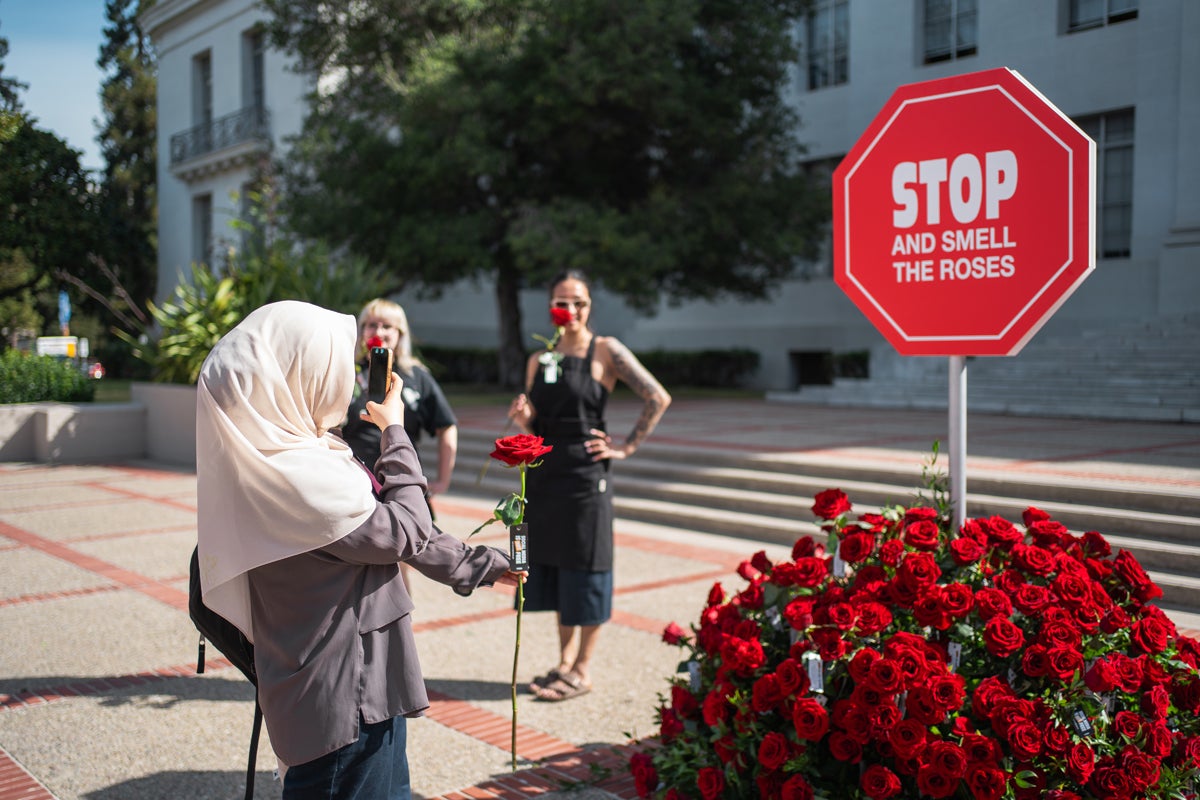
Each rose featured info on the campaign and its “Take Back Ctrl” message. And the experience was strategically located on the school’s historic Savio Steps, where Mario Savio launched the Berkeley Free Speech Movement more than 60 years ago. Lush utilized the same space to address an evolution of the topic, posing the question to students: What does it mean to reclaim our freedom from Big Tech?
Provide a Distinct Value Exchange
With steep competition in the college space, brands need to be laser-focused on why they’re showing up on campus, and clearly communicate to students the unique value exchange they’re offering.
“Think about who they actually are,” Murray says. “We know that they are highly receptive to brands being on their campus, but that comes with a lot of asterisks… They’re looking for a clear value exchange, and there are very different ways brands can approach that, but it needs to be something that is giving them purpose and giving them value. And with that, they’ll spend their time. They’ll spend their money.”
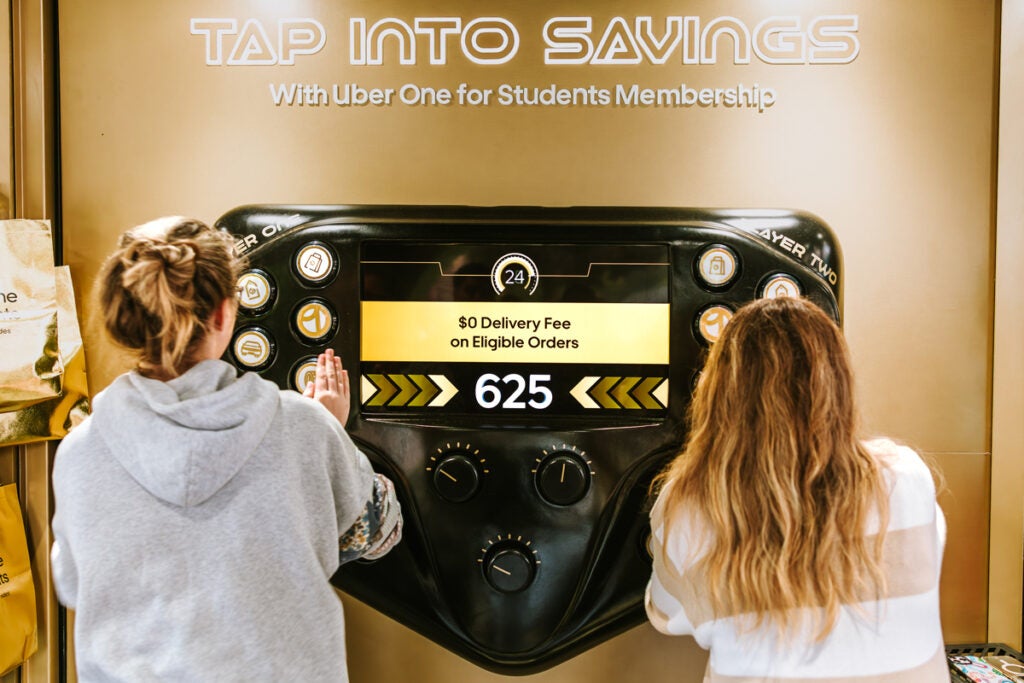
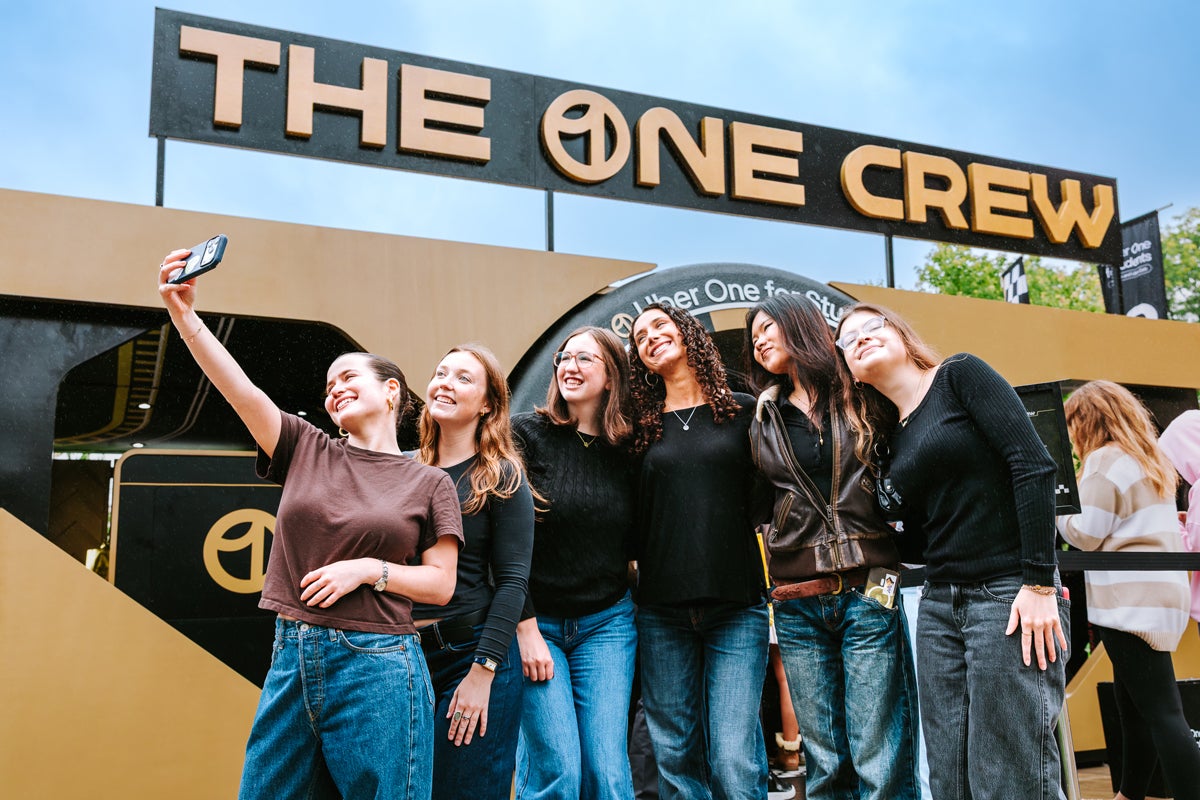
Uber One for Students’ business is innately built around delivering items that make students’ daily lives easier for less money. And the Uber One Crew program was built to showcase those perks IRL by providing participants with top campus needs, from snacks to beauty items.
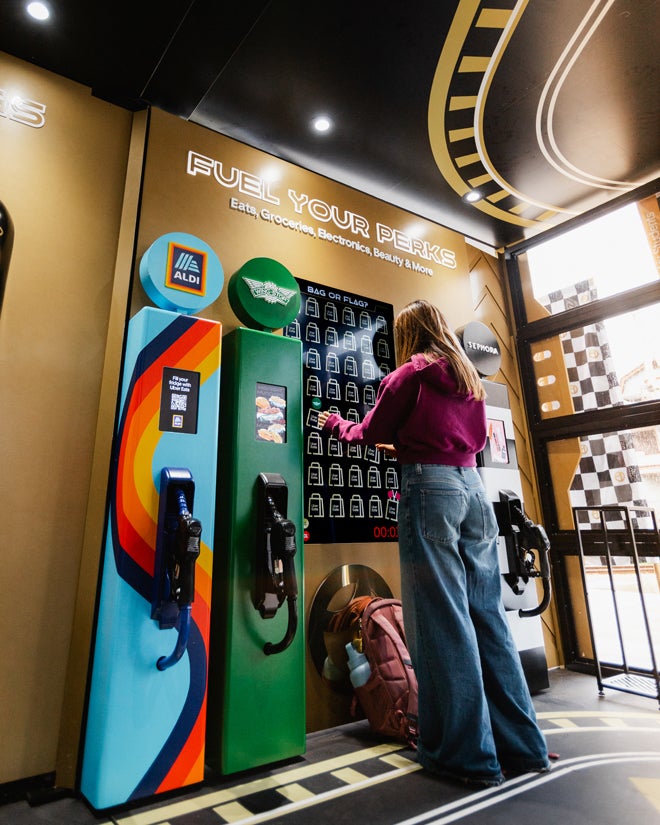
“It’s being focused on what you’re giving students,” Coe says. “Gen Z is super smart, and they are worth winning over. So I would think about: The basics aren’t enough. How can you make this really worth their time?”
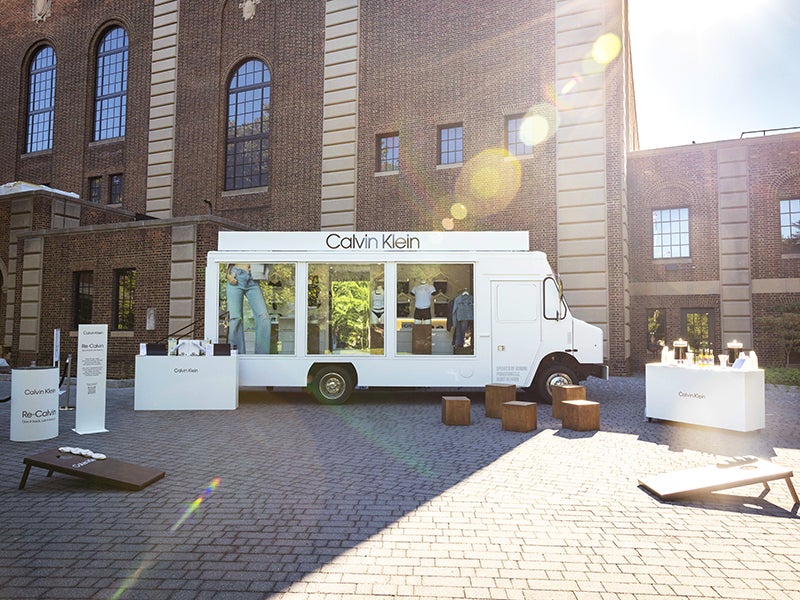
And while Calvin Klein’s 2026 Back to Campus Tour was anchored by a mobile retail experience, the program wasn’t designed to promote the brand’s trendiest new pieces.
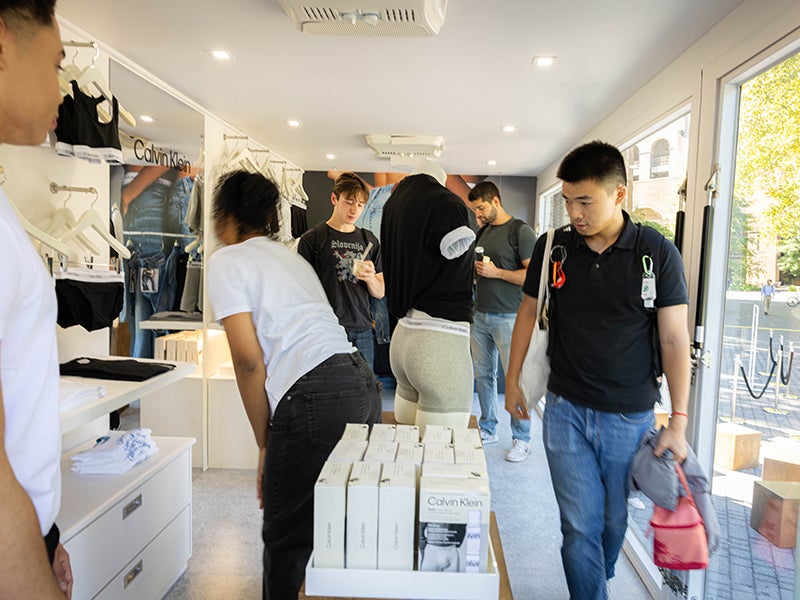
“We have to do something that feels right to them, something that they’re going to take away and delivers that value,” Nitto says. “With Calvin Klein, much of that goal was having essentials sold to that activation. Not so much the latest collection, but more about what are the staples that you need within your wardrobe.”
Treat the Campus as an Ecosystem
Marketer after marketer emphasized the importance of recognizing that college campuses are complex ecosystems, and should be respected as such.
“Don’t treat the campus as a venue, like somewhere you park and show up as an event for the day,” says Reedman. “It’s looking at it as this whole larger ecosystem and becoming part of it, versus just showing up for the day and then leaving.”
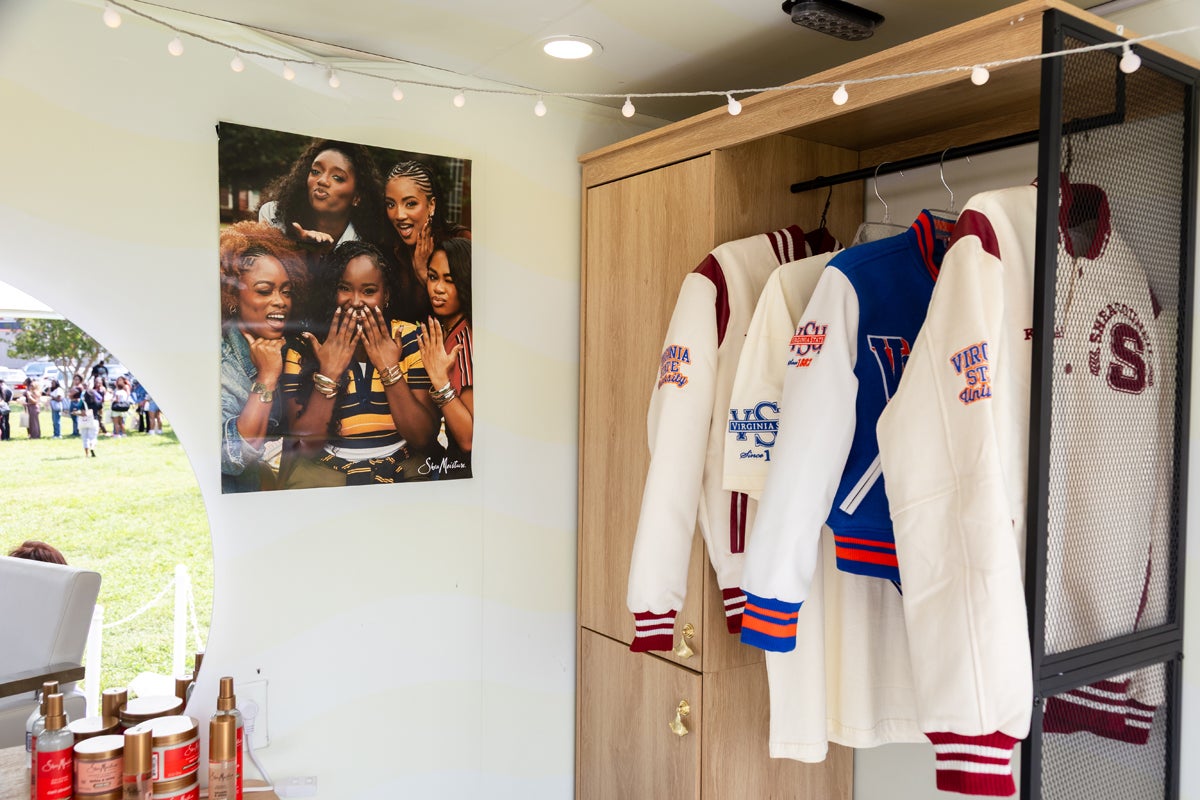
That’s the approach SheaMoisture took. “We didn’t look at [HBCUs] as simply campuses or venues,” Wright says. “We were looking at them as these thriving cultural hubs and ecosystems that have served for generations, given the history of HBCUs as incubators for Black excellence and innovation.”
Murray says treating campuses as ecosystems also entails being mindful, and respectful, of school policies and property. “That might be as simple as how you’re disposing of trash after [the activation]. We’ve gone as far as, we know that they’re filming something on the same grass where we are, so when we break down from the event, we make sure we’re leaving it better than we found it.”