This story is part of EM’s special report on campus experiential marketing. Read the full feature here.
An amplification strategy is non-negotiable when it comes to maximizing the impact of experiential college campaigns, and companies consistently partner with brand ambassadors, student ambassadors, creators and celebrity talent, whether it’s one faction or a mix of the influencer types. Here’s how brands from Poppi to Sephora are leveraging key amplification partners.
Micro-Influencers
According to many of the event profs we spoke with, micro-influencers currently have the most pull among students because of the credibility they lend and the power of peer-to-peer sway.
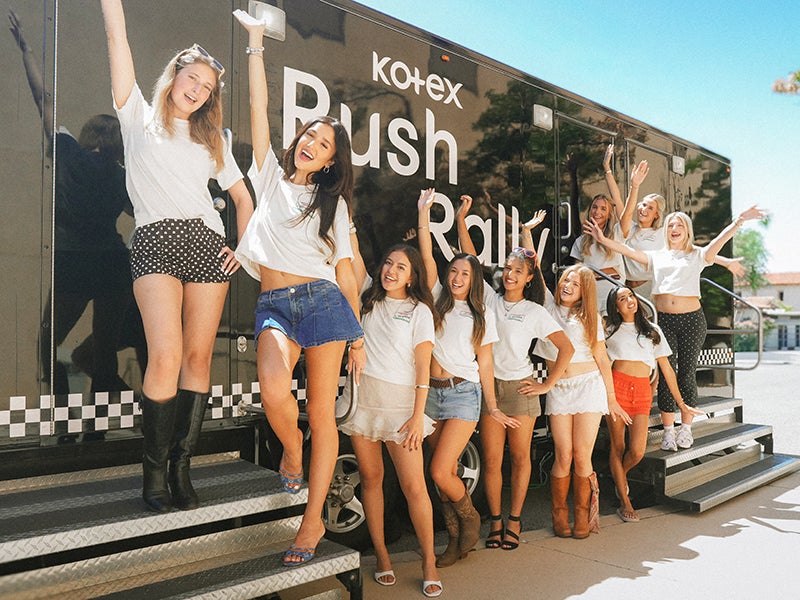
“While there are certainly college ambassadors who have larger social media followings and are people that a lot of girls look up to, micro-influencers are just as important in very specific communities,” says Craig Brommers, CMO of American Eagle, which activates heavily around RushTok. “The content that the girls are posting around American Eagle’s presence at rush feels more energetic, feels more real, feels like there’s not only a connection between the brand and the person that hosts, but a real connection between these students.”
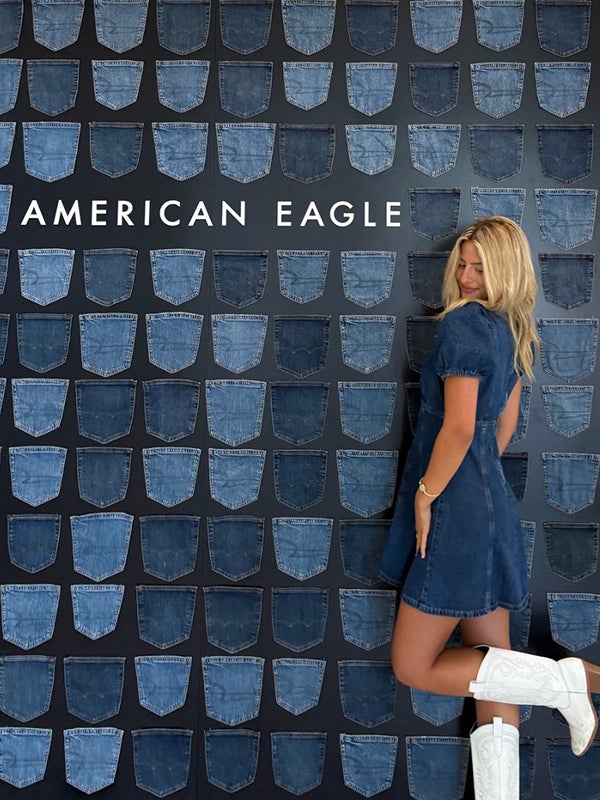
And many of the most powerful micro-influencers can be found right on-site.
“From our experience, the best ambassadors for your brand are not always the ones with 100,000 followers,” says Kristin Reedman, chief revenue officer at Newbridge Marketing, which specializes in college marketing. “It’s the ones who maybe just know a ton of people on campus, or maybe they’re involved in the student council and they are friendly with all their professors. It’s that well-rounded student.”
Campus Ambassador Networks
Structured campus ambassador networks are also thriving. Many programs take place within an eight- to 12-week time frame, while others involve a year-round, always-on approach. And they tend to be hyper-competitive.
Take Poppi’s three-year-old Poppi University—a campus ambassador program so cutthroat that Inc. dubbed it “harder to get into than Harvard” based on the number of applicants versus the number of students admitted in 2026 (a phenomenon partly attributed to the mounting difficulty of finding an internship).
Those who do ultimately represent Poppi through the paid program are tasked with hosting on-campus events, posting on TikTok and/or Instagram and creating social media Stories at a steady cadence.
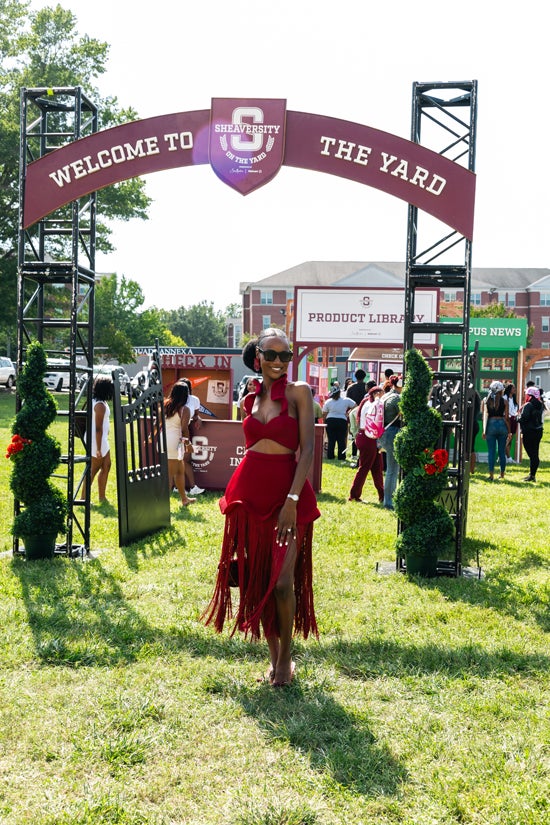
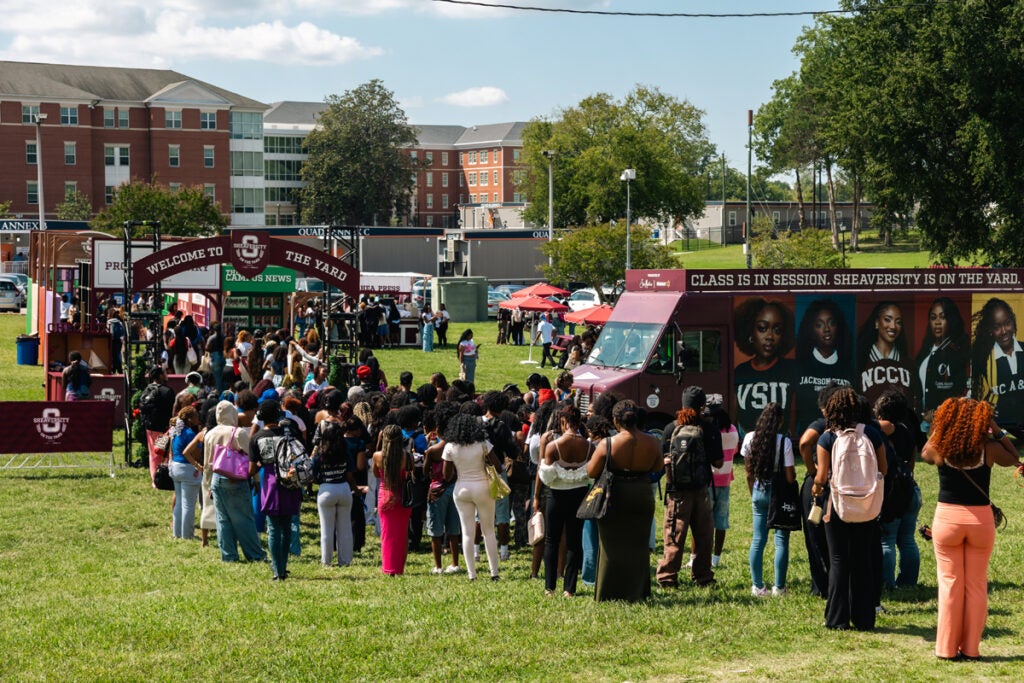
SheaMoisture’s Shea Student Council is another booming ambassador network platform, which the brand utilized across its HBCU campus tour this year. The Sheaversity on the Yard experience was informed, and amplified, by a dedicated Shea Student Council cohort comprised of 25 students from each respective tour university.
“The Shea Student Council is bringing the authenticity, the cultural insight and the lived experience to the program because they’re the ones who are actually embedded within their campus communities,” Wright says. “They can help us understand what resonates, what works, what creates meaningful connections, and ensure the experience is reflective of the actual students’ life experiences.”
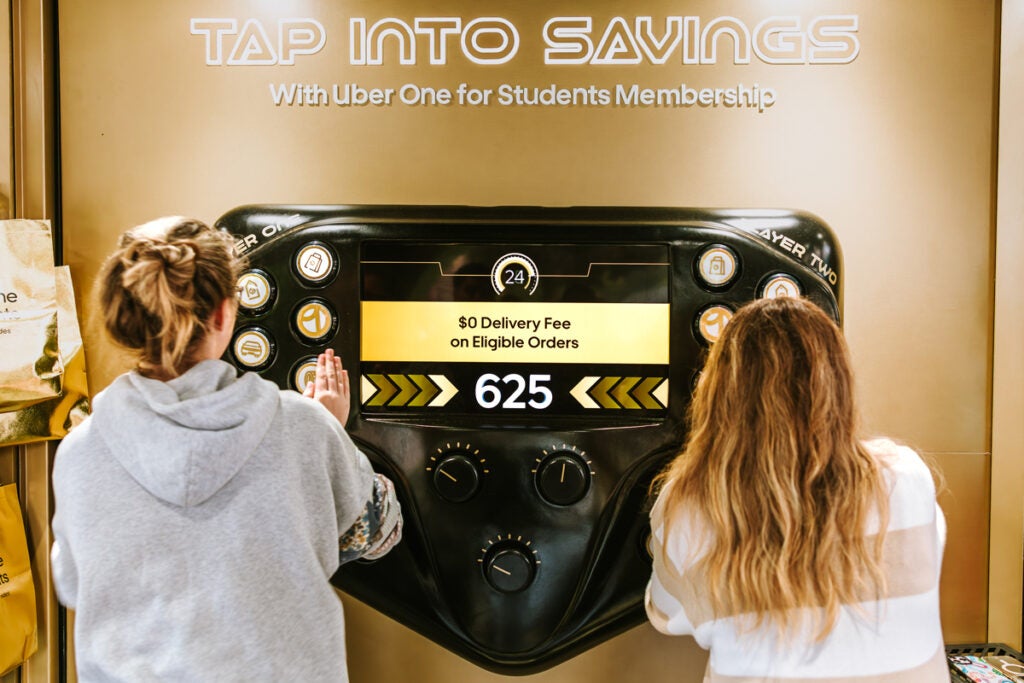
And then there’s Shein’s Campus Ambassador Program, which currently sits at 17,000 actively enrolled ambassadors, and was designed for students interested in content capture, community engagement and fashion.
Participants, who rep their schools on-site and online, score benefits like shopping stipends, invitations to brand events, and opportunities to build leadership skills and network with professionals. And during Shein’s 2026 Campus Tour, students at all seven stops had a chance to apply for the program.
Celebs & Mega-Influencers
Some brands are bringing big talent to campus, too, from beauty mega-influencers to celebrities to popular young musicians.
Sephora and Kohl’s Beauty Bodega tour featured celebrity makeup artist Allison Kaye, who provided students with personalized beauty guidance. Amid a row of touch-up stations staffed by the “Beauty Barrage” (Sephora’s hair and makeup team), Kaye supervised as students received complimentary hair, face and lip treatments.
“People take their recommendations from influencers, as much, if not more, than even their dearest friends,” says Bennett. “So we felt it would be a conversation point for these potential new members, and it would also help them get that confidence, some new learnings, and feel like they’re starting with an edge that Sephora at Kohl’s and Allison Kaye brought to the table.”
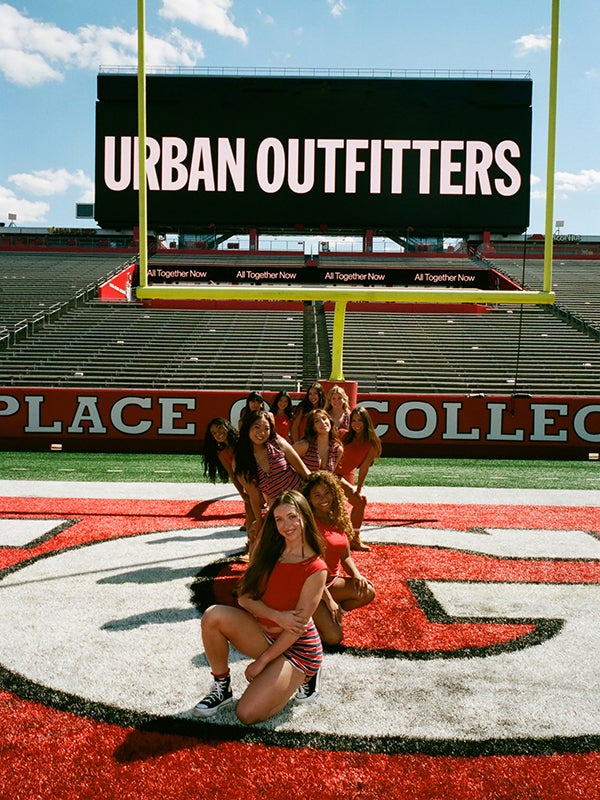
For its third annual UO Game Day college tour, sponsored by Nike, Levi’s and Converse, Urban Outfitters not only brought customization experiences and giveaways to campuses, but also a slate of live music performances, with free UO Live concerts featuring Alison Wonderland, The Linda Lindas, Mack Keane and DJ Miss Milan.
Similarly, on Coach and Spotify’s 2026 Tabby Tour, musicians like Tinashe and Rachel Chinouriri hit the stage on campus to share their creative journeys and offer a closer look at the experiences that shape their work, then closed out the activation with a live performance.