Contributed By: Kurt Miller, Senior Vice President, Strategy and Planning
For decades, the experiential sports marketing playbook was simple: put your logo on a stadium, wrap a few concourses, host key clients in a luxury suite—at most, sponsor a Fan Fest—then point to post-event awareness surveys to prove it worked.
Those days are over.
Experiential marketing is taking up a bigger piece of the overall budget, and CFOs are asking tougher questions. Passive exposure just doesn’t justify a massive sponsorship check anymore. Between media fragmentation and an audience that tunes out traditional ads, modern sports partnerships have to connect to real business. If a sponsorship doesn’t solve a real fan problem or move the needle on actual deals, it’s just an expensive billboard.
To build partnerships that actually pay off, forward-thinking brands are leaving the old playbook behind and focusing on three practical shifts.
1. Tell Business Stories, Not Just Sports Stories
The strongest sports activations don’t make the game or the celebrity athlete the whole story. Instead, they tap into the passion and excitement of the sport to show what their business can actually deliver. Put simply: the sport is the lens; your business value is the headline.
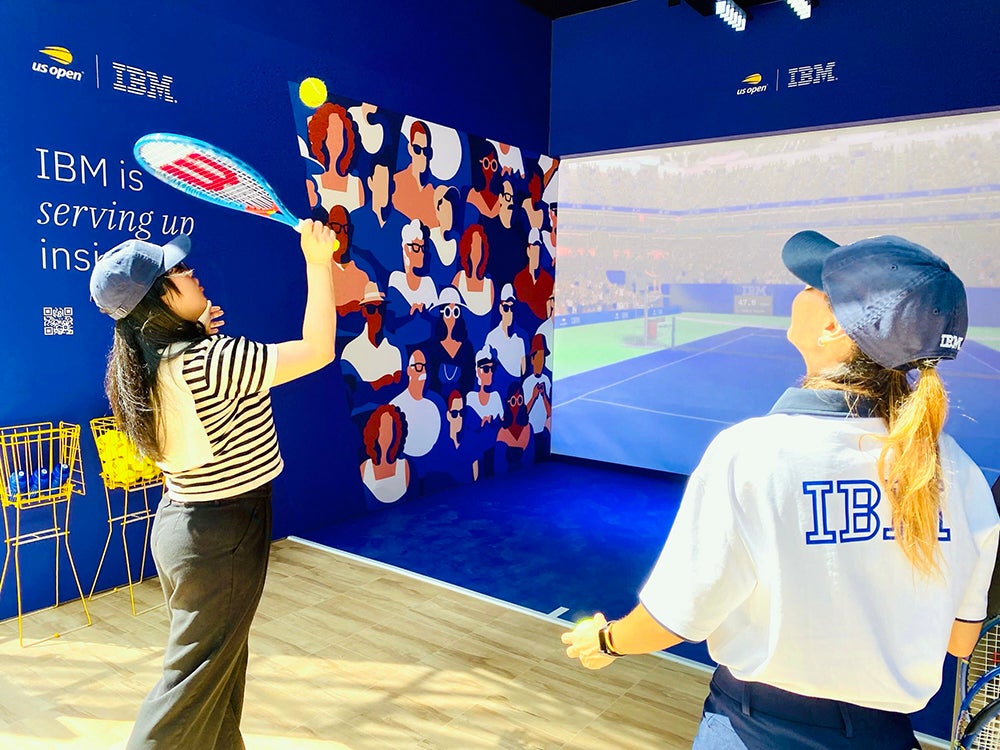
For tech companies, that can mean operating critical systems that power the venue and its capabilities, not just slapping a logo on it. Brands like Cisco and IBM build their tech right into the stadium backbone, running high-density Wi-Fi and networks, real-time broadcast stats, performance telemetry and scoring systems, and in-venue fan experiences at places like SoFi Stadium, AT&T Stadium, Wimbledon, and the U.S. Open.
Just as important, smart brands take the sport out of the stadium and into a much wider space. Rather than limiting a multimillion-dollar partnership to a three-hour game window, they bring that sports access into their own world. They put high-performance simulators, tech demos, and VIP hospitality directly into their own user conferences, developer summits, and regional client roadshows.
2. Look for White Space in Grassroots Communities
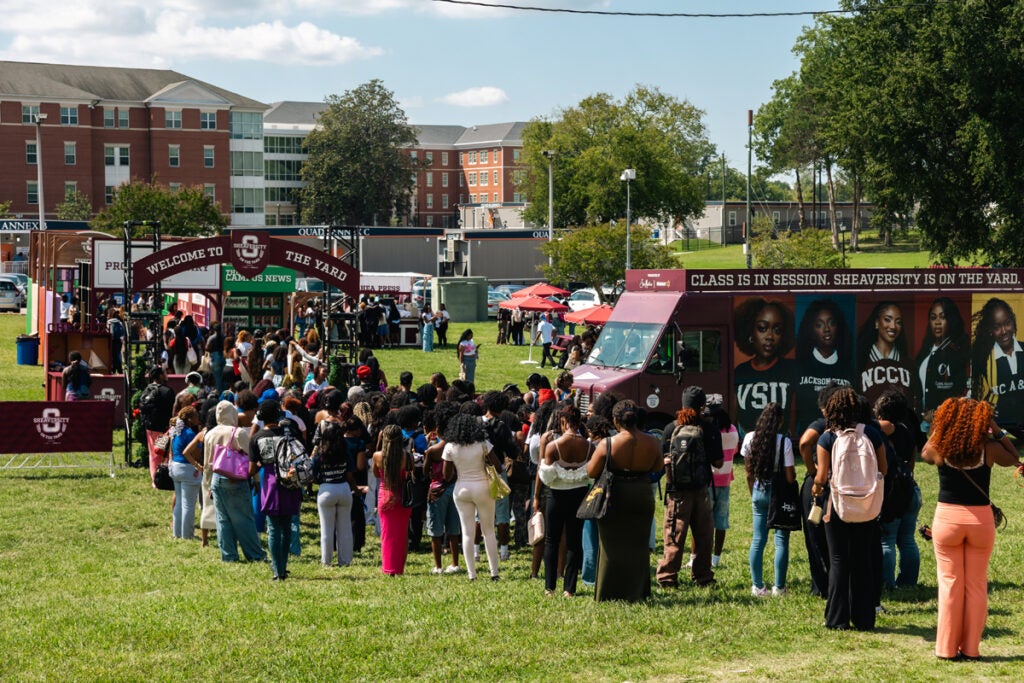
Winning at sports marketing doesn’t always mean chasing the most crowded, expensive broadcast rights. Real brand loyalty is often built from the ground up by connecting with passionate, close-knit communities, bringing experiences into public and educational spaces, with the desire to attract fans – and buyers—for life.
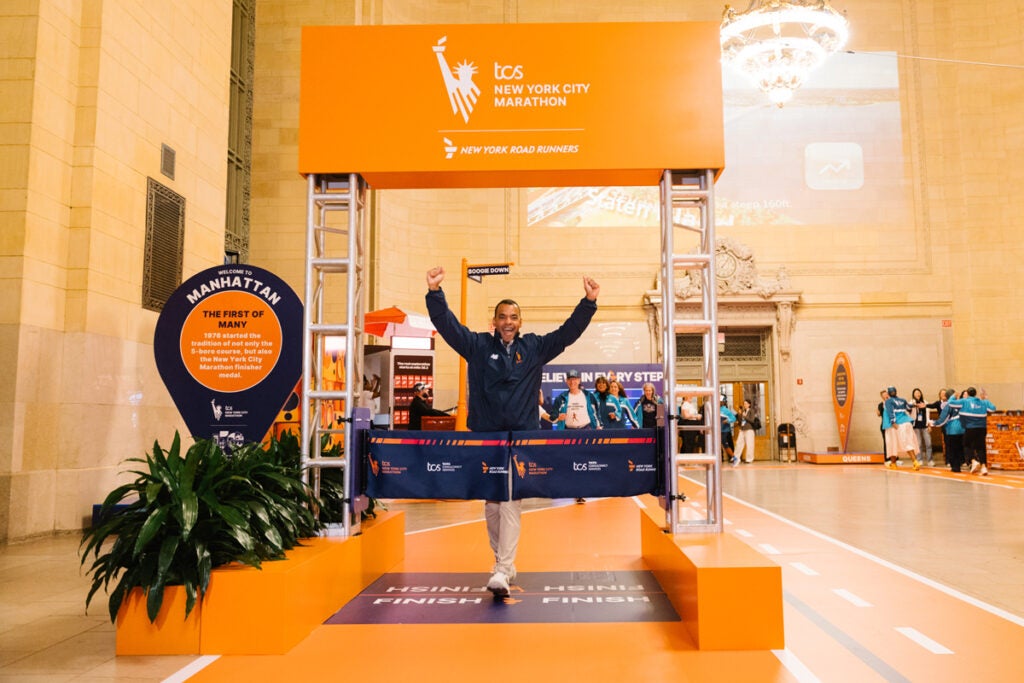
Look at tech consultancies like TCS and Infosys—global challengers outside outside of their home markets. Instead of fighting for Olympic signage, they anchor long-term partnerships around fast-growing marathon communities. They build genuine relationships with runners along their entire training journey through tech-driven recovery spaces, live race-day tracking, and on-site sustainability efforts.
The same opportunity exists for brands expanding into new regions. For example, a global logistics company entering North America could look past oversaturated mainstream ‘Big 4’ sports and back the explosive growth of grassroots T20 cricket among passionate, rapidly emerging demographics with significant buying power. By supporting local youth clubs and community tournaments while tying in corporate commitments like education, empowering women, and sustainability, a brand can earn deep, generational loyalty that a generic banner at a baseball game could never buy.
3. Smarter Planning and Honest Attribution
The last big hurdle is ditching guesswork and gut feelings for better data and insight – both before and after the contract is signed. Data and predictive analytics have become such critical components in sports performance itself—it’s only appropriate that better-informed decision making be built into the business of sports partnerships.
Historically, deals were made over dinner based on an executive’s personal favorite team. Today, brands are getting smarter up front. Working with research partners like the Cal Poly Experience Innovation Lab, brands can compare their values and goals with a potential sports partner’s audience demographics, total sponsorship ecosystem, and real fan behavior in advance to explore and make sure a partnership actually fits before committing millions.
When it comes to tracking results, brands need to look beyond vanity metrics. That’s why GPJ built the Experience Intelligence System (EIS)—a proprietary measurement framework we use with clients to report on three clear areas:
Audience Participation: Moving past headcounts to see how fans actually move, where they spend time, and how deeply they interact with the space.
Real Sentiment: Using a host of approaches, including real-time engagement capture (like ethical facial recognition analysis with partners like Zenus AI) to see how fans naturally react in the moment, without having to gather personally identifiable information (PII).
Bottom-Line Business Impact: Connecting event interactions to real sales pipelines. That means setting up the tracking needed to follow leads and attribution across 12- to 18-month B2B sales cycles and accounting for partner-driven deals.
Good measurement comes down to having access to the right internal numbers. When brands stop treating sports activations as one-off sponsorship checks and start running them as a connected, global portfolio, measuring each stop against their own past performance, everything changes. Sports marketing stops being a line item you have to defend to the CFO, and starts being a desirable, reliable engine for real audience advocacy and business growth.