-
 B-to-C Events
Pop-Tarts Pop Up in Retail
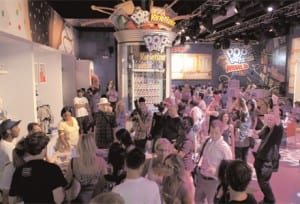
When Pop-Tarts set up a Facebook fan page last summer, it was flooded with more than two million consumers interested in talking about its toaster pastries. The online chatter, which included new flavor combination suggestions, inspired the Kellogg’s-owned brand to bring the excitement to life in a pop-up store. The result? The 3,000-square-foot Pop-Tarts World on 42nd Street in New York City (more on all the sweet details in a moment).
-
 B-to-C Events
How Brands Are Tracking Consumer Sentiment With Social Media
When social media first came on the scene, many event marketers jumped in with both feet to leverage its ability to make connections and keep in touch with consumers and clients they only saw a few times a year at events. Since then, social media websites like Facebook and Twitter have evolved from basic community-building platforms into powerful measurement tools that not only generate customer data, but track more qualitative variables like consumer sentiment and interest.
-
 B-to-C Events
Grade A Experiences to Capture College Kids
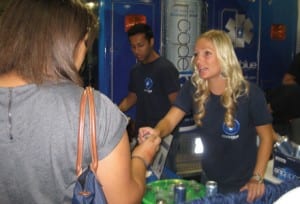
As the lazy days of summer wound down and hints of autumn filled the air, it was back-to-school shopping season for parents and kids once again. It was also a sales opportunity that companies couldn’t afford to miss. Making meaningful connections with consumers during this period can make a brand stand out and influence what families put inside their shopping carts. Who made the grade this year? We bring you highlights:
CollegeFest
-
 B-to-C Events
Good Things Come Small
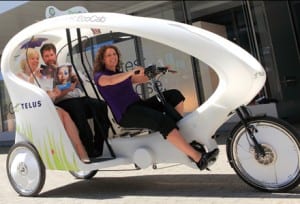
If you are ready to turn over the keys to that fleet of gas guzzling shuttle buses at your next event, you’re not alone. For the third year in a row, asset management company Janus Capital Group has used pedicabs to transport athletes and their families during the annual New York City Triathlon held the third week in July. The company sets up transportation stations where families can hop on after the athletes start the race and get dropped off at the finish line. Then the athletes get a lift after the final stage of the race instead of having to walk an extra mile and a half back.
-
 B-to-B Events
How Virtual Can Rescue Events
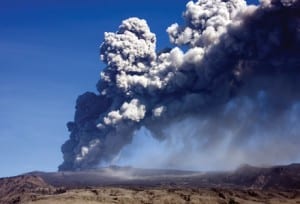
When the economy took a turn for the worse, many companies began taking a hard look at virtual environments as an alternative to live events, or at least as a part of the package. But if the down economy hadn’t been enough to convince companies about the benefits of virtual, the Icelandic volcano Eyjafjallajökull that erupted unexpectedly this spring and caused air travel to come to a halt because of a menacing ash cloud served as yet another reminder.