It wasn’t that long ago when goat yoga on the trade show floor was the GOAT. Seeing your boss doing a downward dog at 6 a.m. was somehow a healthy thing to do. And bailing out on dinner because your sensory overload was real and you couldn’t deal with your colleagues anymore was plain rude.
Things are changing when it comes to wellness. For millennials and Gen Zers, it’s become a daily, personalized practice rather than a set of occasional activities or purchases. Older consumers are also incorporating it into their lifestyle, according to the latest McKinsey The Future of Wellness survey.
The $2 trillion global industry now encompasses health, sleep, nutrition, fitness, appearance, and mindfulness. Some 84% of U.S. consumers now call wellness a top or important priority, while nearly 30% of Gen Z and millennials report prioritizing wellness “a lot more” than they were just a year ago.
“Wellness is not a product, it’s a lifestyle,” says Kelly Helfman, founder of Girls Day LA, a women’s wellness summit and experiential marketplace. “It’s going mainstream and taking a huge part of the market share. Both men and women are more open to admitting burnout and committing to prioritizing themselves.”
Liz Lathan, co-founder and chief community officer of Club Ichi, sees this change as instrumental to the future of events. She says, “The standard of care is shifting underneath us. The events with staying power will see wellbeing migrating from the sponsorship prospectus to the very fabric of the event design.”
How’s this shift manifesting on trade show floors and event spaces? Here’s where we’re noticing the sprouts of genuine care.
Time is love.
Some trade shows and events are (finally!) responding by making the experience less grueling, and sometimes even giving attendees back what they crave the most—their time.
“I start my events later, when possible, so people can work out, get emails done, and eat breakfast,” says Lathan. “Would it be so bad to put ‘Free Time’ on your agenda?”
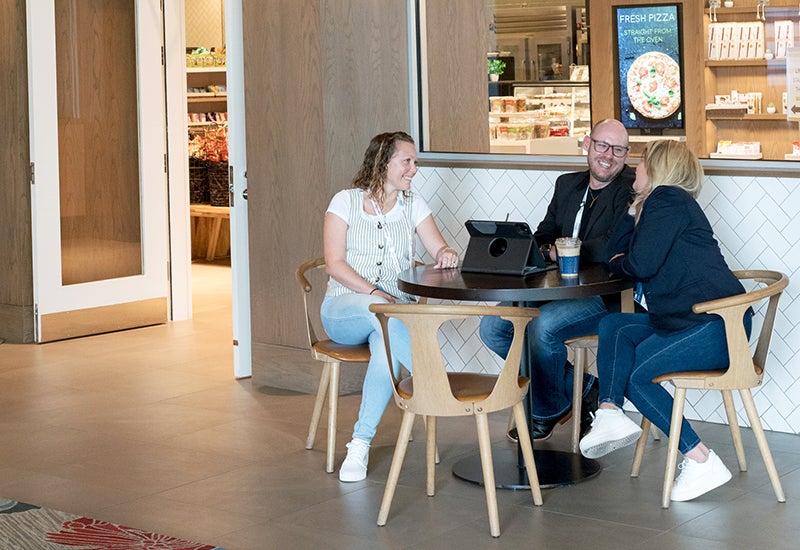
Late nights, early mornings and over-programming build pressure to participate but achieve the opposite result where attendees vote with their feet.
Some 67% of attendees say they feel less engaged when events don’t provide enough downtime, and 55% will skip sessions to decompress when breaks aren’t built in, according to the recent Hilton 2026 Why We Gather survey. Building in white space, on the other hand, reduces stress and helps them regain their sense of control.
How sensory play builds connections.
Lego builds, bead bars and analog escapism are gaining some serious ground, but slime?
“The best tactics are the ones that reinforce the brand message,” says David T. Stevens, a co-founder of a wellness consulting firm Olympian Meeting. “If the message is ‘what if invoicing was fun, slime could do the same thing in a completely different way. A friend of mine even explored slime filled with trinkets as a metaphor for AI slop.”
Stevens says the activation itself can be playful, relaxing or unexpected, but “if it doesn’t tie back to what the brand is trying to communicate and leave the participant different than when they arrived, then it’s as pointless as a cheap pen. “
The power of sleep.
More than half of American adults are actively experiencing sleep issues, according to a recent study in Sleep and Science and Practice. McKinsey’s 2025 research found that better sleep ranks among millennials’ top two wellness priorities. At events, it shows up as attendees opting out of late-evening events and guarding their zzz’s as best they can.
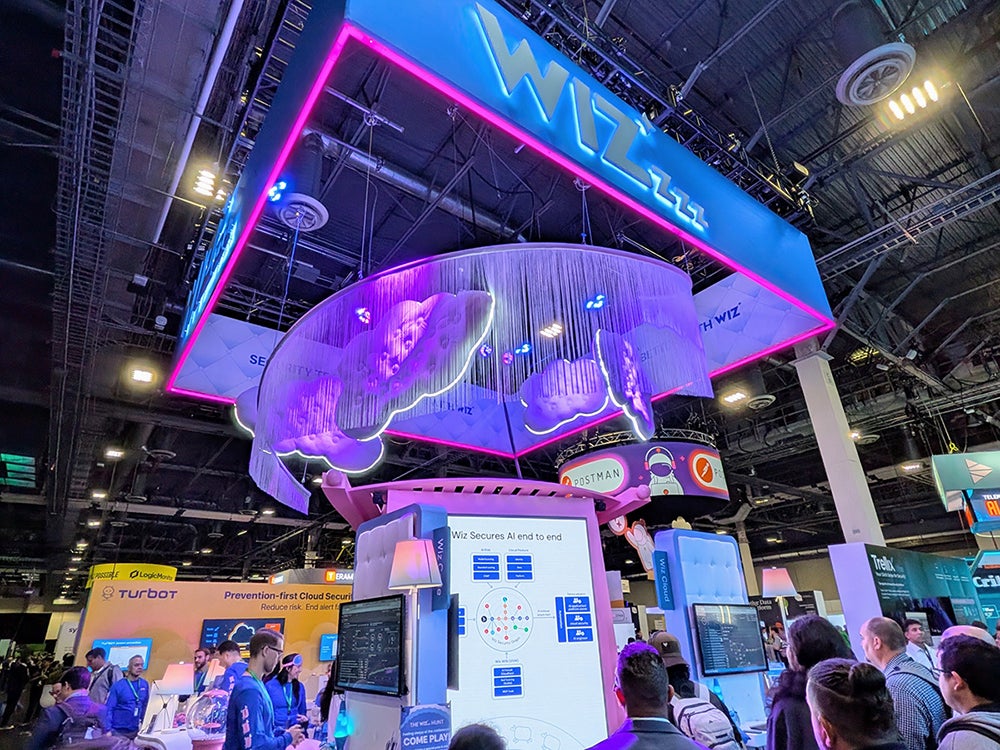
Brands take note. At AWS re:Invent 2025, Wiz turned its “Security teams sleep better” message into a full Sleep Bar, complete with clouds, sheep, bedtime stories and sleep masks. Granted, the tactic was on brand for sleep-deprived CTOs, but we wouldn’t turn down some sleep gummies and under-eye patches.
Self-care stations to the rescue.
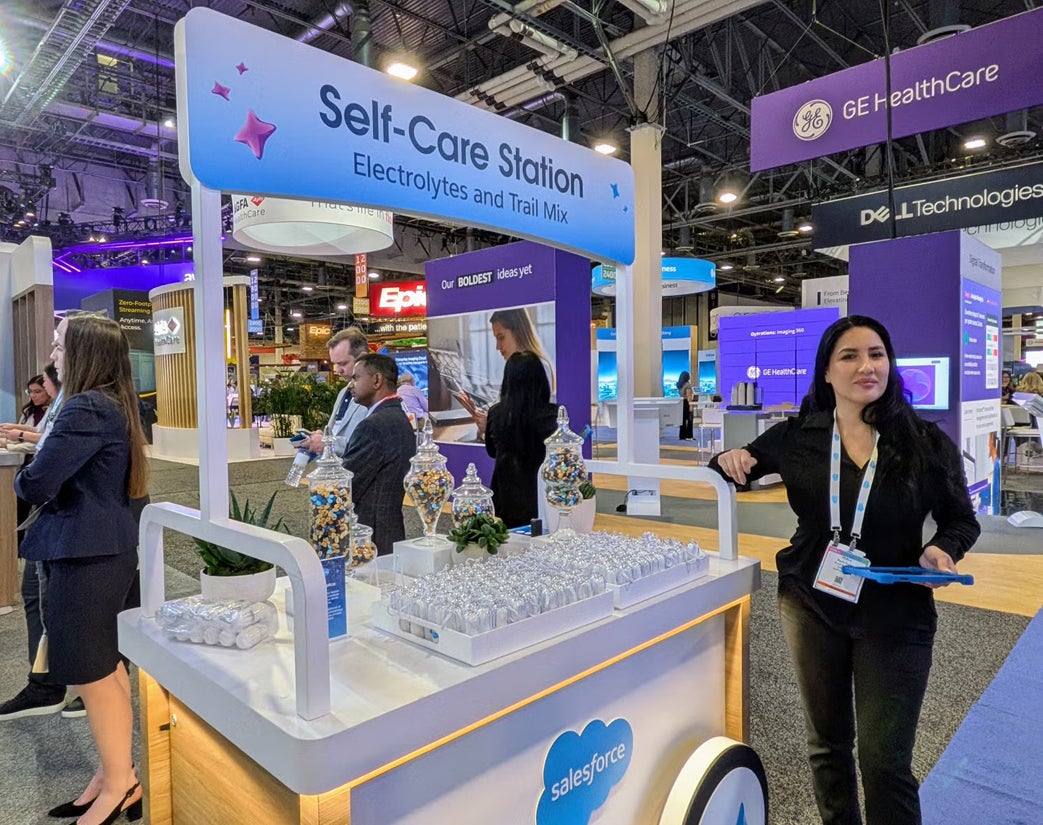
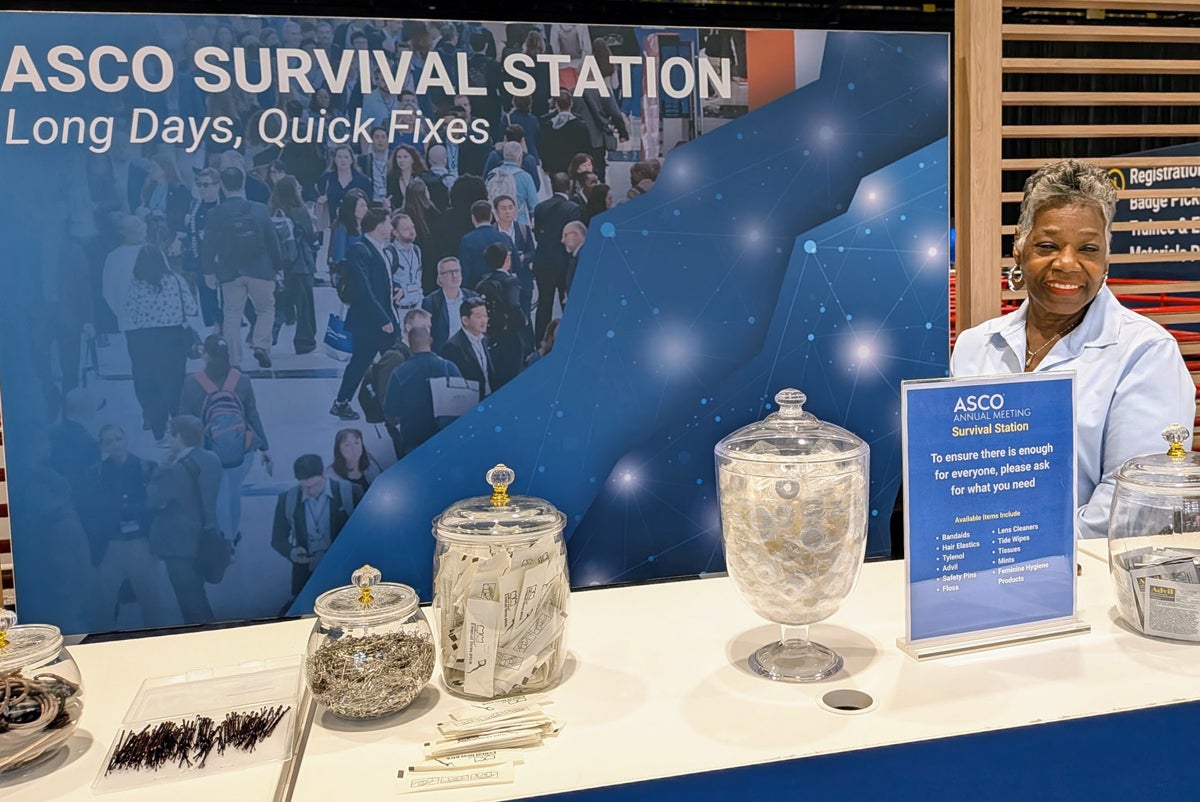
Band-Aids, hair elastics, Tylenol, feminine hygiene products, Tide wipes… At ASCO 2026, attendees could find a quick, much-needed fix at the show’s Survival Station next to registration. Salesforce presented the same idea as a Self-Care Station at HIMSS 2026, where attendees could fuel up with trail mix and electrolytes, complete with a custom foldable straw.
Why hang spaces matter.
Calm spaces are moving from back rooms to central gathering points as well as thoughtfully designed dwell spaces anchoring exhibits. One of our favorites this year has been Elanco’s Zen Garden at VMX 2025, where attendees could follow a stone path into a peaceful space with bean-bag chairs and greenery around a fountain where they could do crafts, such as flower crowns or bead friendship bracelets, or just take a moment to reconnect with themselves in the middle of the convention center chaos.
At Shoptalk 2026, Cordial invited attendees to the Reset Lounge where they could enjoy a coffee drink or a smoothie and connect with peers over a mocktail or a cocktail in the afternoons. Functional drinks and other beverage options are poised to keep driving engagement in a caring, delicious way.
On-brand calm can go high-tech too. Stevens notes, “If a finance company wants to ‘take the stress out of invoicing,’ a calming Novobeing experience (clinician-designed therapeutic VR) makes that promise tangible.”
Helfman’s advice on tapping into the wellness culture is staying authentic to your audience. “Don’t follow the trends,” she says. “Don’t buy yoga mats if your customers aren’t yogis. You have to figure out what works for your audience.” That said, we can’t wait for slime…
Have a story idea? Want us to cover your booth? Reach out to EM’s editor-at-large Anna Huddleston.