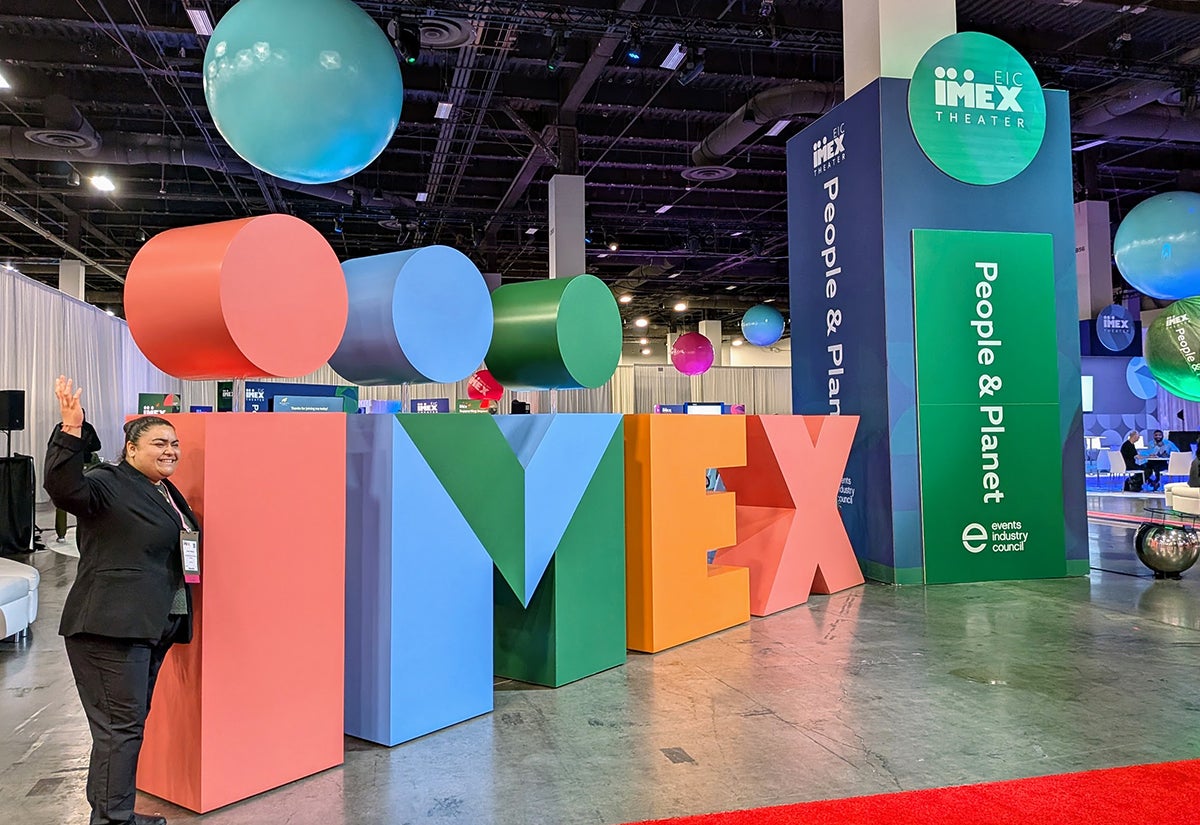
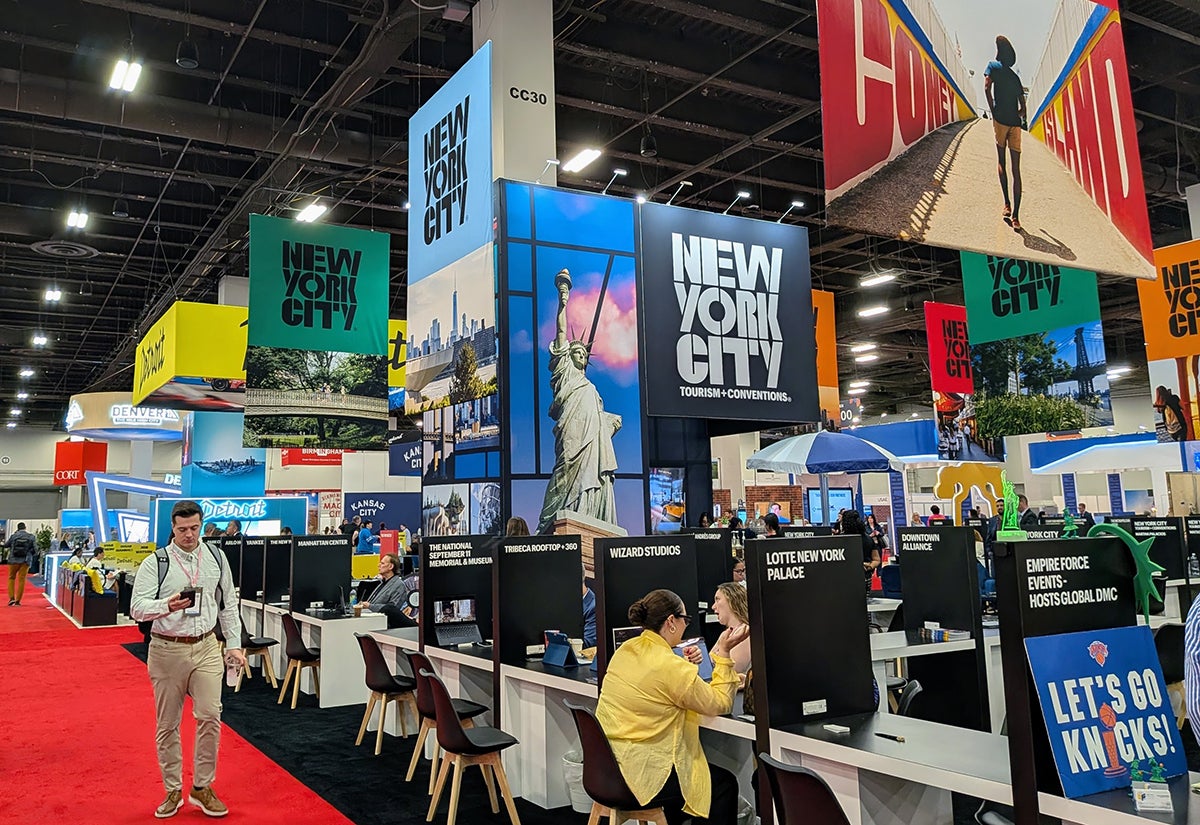
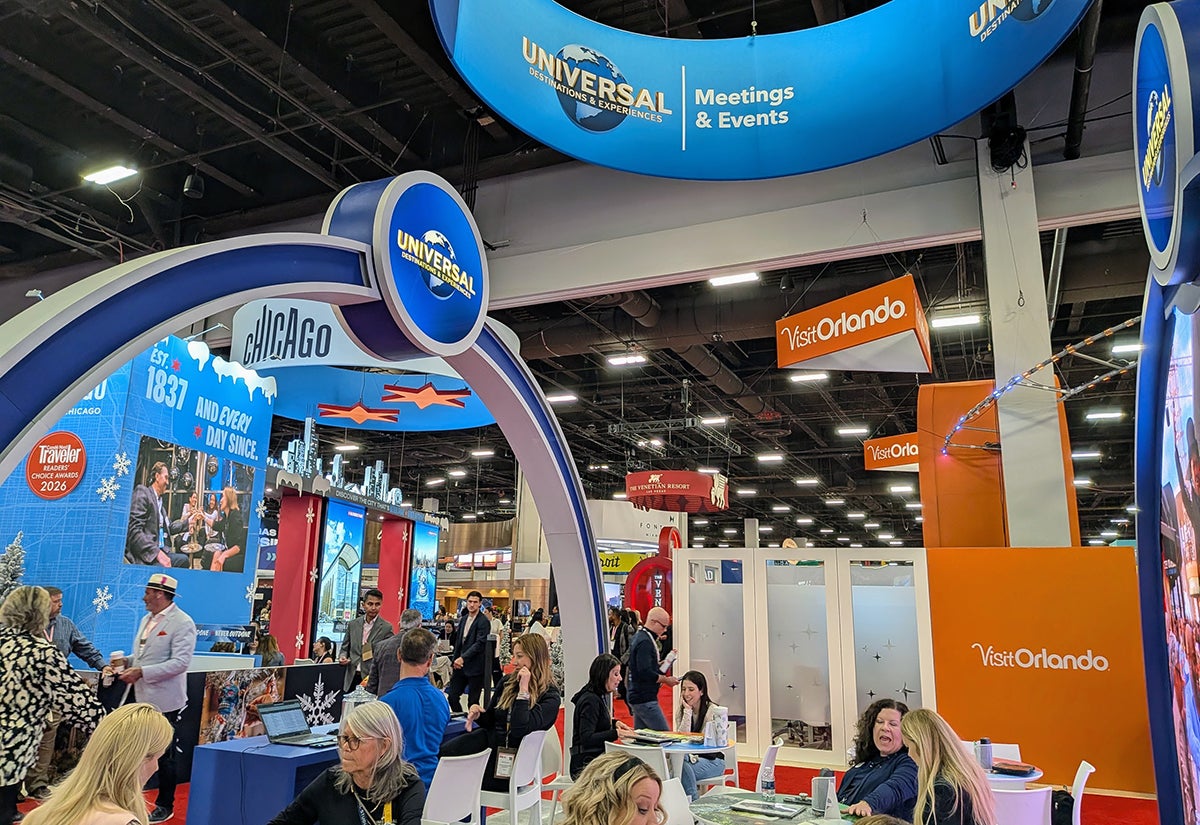
The 15th annual IMEX America brought together over 17,800 event professionals, venues, and destinations to Mandalay Bay Convention Center in Las Vegas Oct. 13-15. More than 96,000 scheduled meetings—an equivalent of five years—took place during the event’s largest edition to date. Here’s what stood out to us in sessions and on the busy showfloor.
Who’s your AI agent?
Love it or hate it, AI conversations dominated many discussions, and AI agents were firmly in the limelight. “Your next registrant may not be human,” said Jeanne Sheehy, cmo at Bostrom, in her session. AI agents are increasingly taking action on behalf of their humans, from interacting with event websites and registration platforms to booking travel and compiling schedules. This has wide implications for event planners and AI users.
On the one hand, websites and other resources may not be ready for an interaction with an AI agent. On the other hand, agent technology is still in its infancy, and the operational risks of its mistakes are high. Sheehy says, “You have to treat them like an intern—would you let them run wild without training?”
Before granting them access, Sheehy suggests organizations should map where data lives, including AI tools and shared drives, clean outdated records, define access and opt-in rules, and assign clear accountability for data quality and governance. Pilot one low-risk workflow, audit an end-to-end journey and measure results before scaling.
Give agents only the access they need, test continuously and never grant administrative access. Use spot-checking for low-risk actions, human checkpoints for moderate-risk changes, and people-only control for high-risk decisions.
Plan for prepared attendees.
Attendees are increasingly doing their research on specifically what they want to see and then come to the event to experience it in real life. For attendees in the 23- to 46-year-old range, also known as the Now-Gen Event Goers (NGEG), 75% say skills-building is pivotal when seeking out events, a useful perspective for exhibitors planning activations. These attendees are looking for clarity about whether and how they will achieve these objectives before making decisions about registering, according to Freeman’s latest trends report. “It’s not late registration. It’s late decision-making,” says Ken Holsinger, Freeman’s executive vice president of industry research and insights.
One of the critical factors holding them back is a lack of information during that research phase. AI comes into play here, with 82% claiming to use it to identify a short list of professional events. Organizers should make their event information AI-friendly. Exhibitors can also use this opportunity to deliver relevant info with pre-show communications.
Talking is stressful. Let’s play.
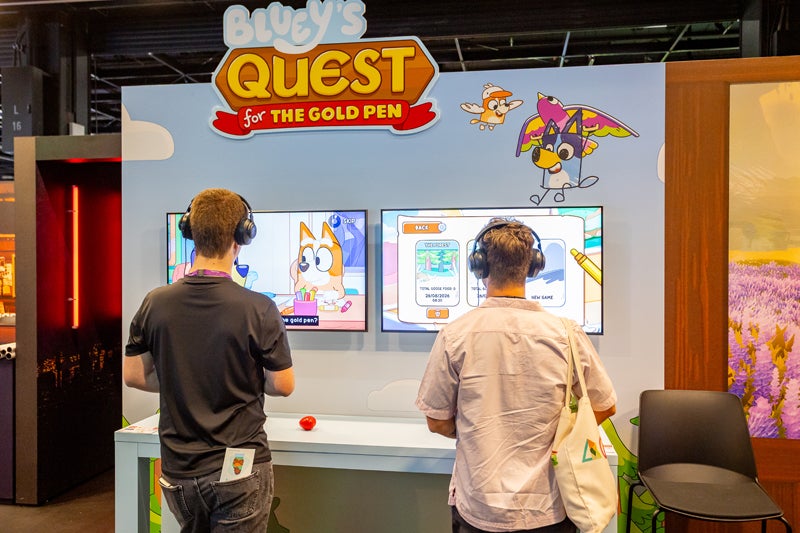
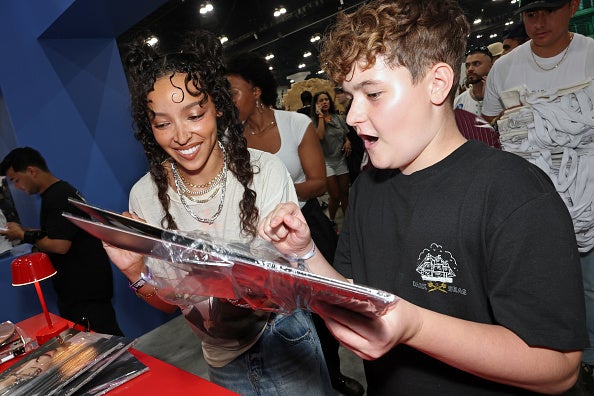
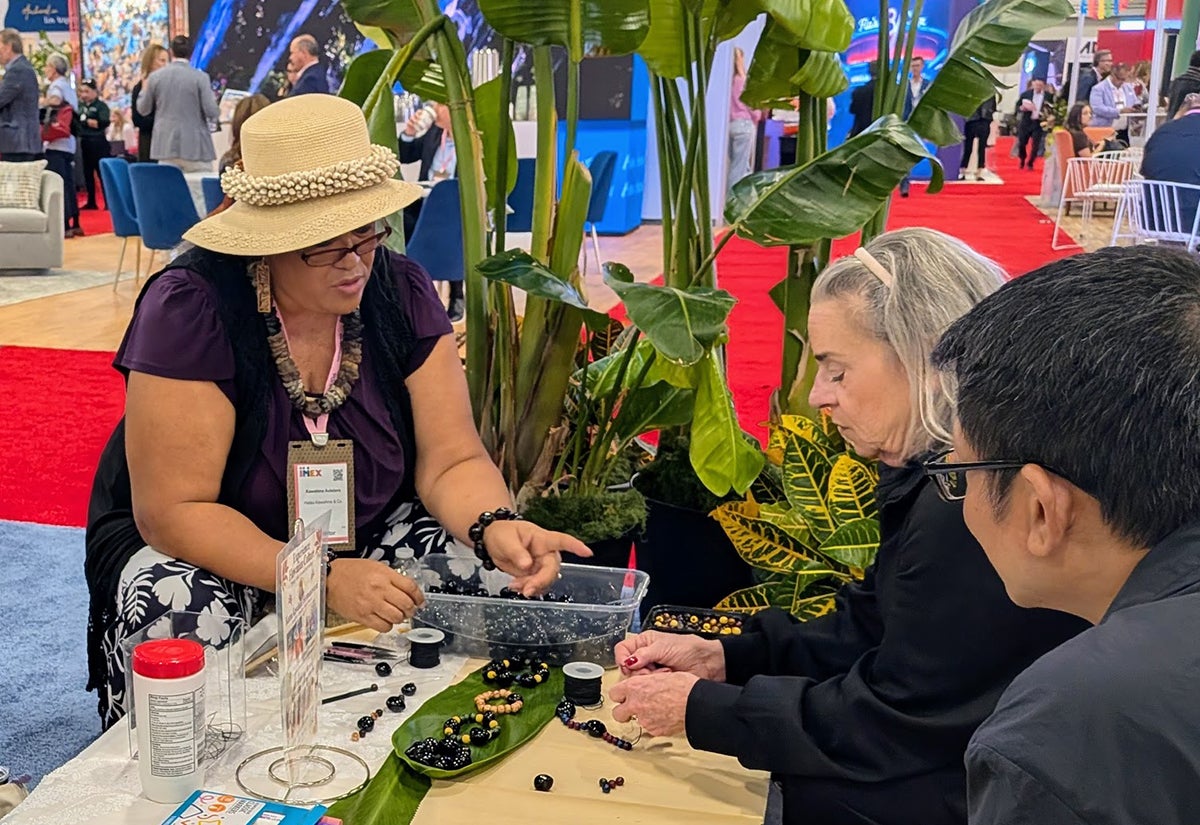
With thousands of meetings happening around IMEX, it was interesting to see how many exhibitors lowered the pressure by giving attendees something to do with their hands while talking. Less eye contact, a nice keepsake, a more positive interaction. From playing with Legos to building bracelets with nuts and making clicky keychains, creative hands-on pursuits kept conversations going or helped fill gaps between meetings. Our favorite, of course, was giant slime vats and mini-slime tubs (Partner: Sloomoo) that could be personalized and played with during sessions much to the surprise of the speakers.

AI tools exchange.
Back to that conversation—it was hard to ignore the overflowing sessions focusing on tried and tested AI tools. Beyond Claude and Copilot, here’re just a few that got the nod:
—> Gamma.app: Presentations and proposals.
—> ElevenLabs: Speaker introductions, professional audio.
—> Suno: Makes songs from text. Think event anthems and walk-up music.
—> Riverside: Record and edit podcasts and video interviews.
—> Voxo: Session summaries, event reports.
—> NotebookLM: Google’s decision tool for analyzing feedback, connecting insights.
—> Lovable: Websites and event apps without coding.
Immersive sponsorship activations, measured.
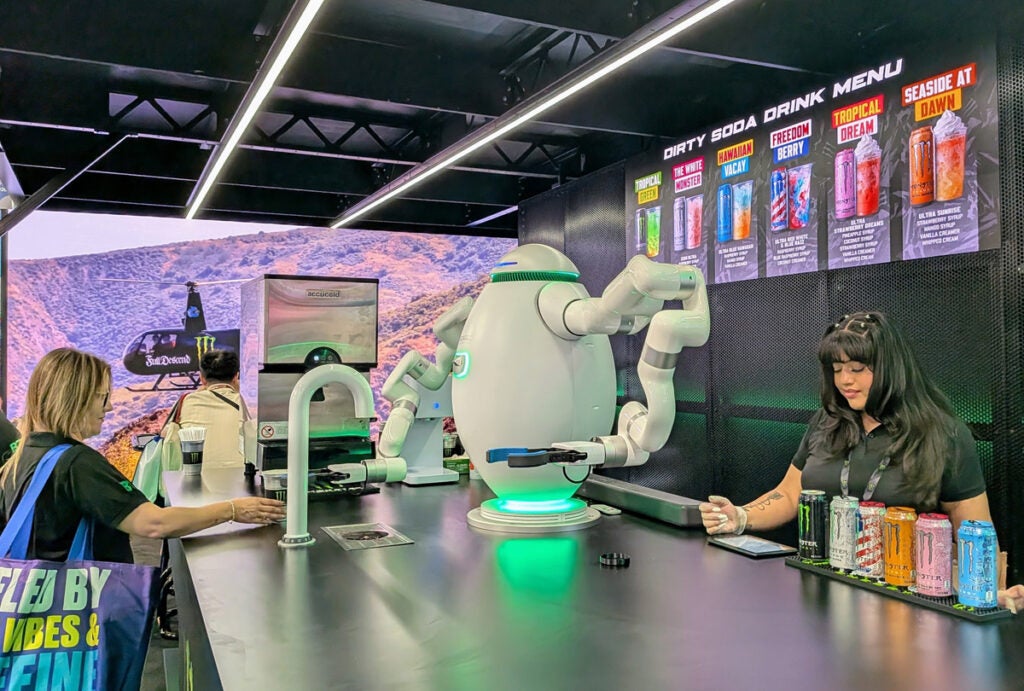
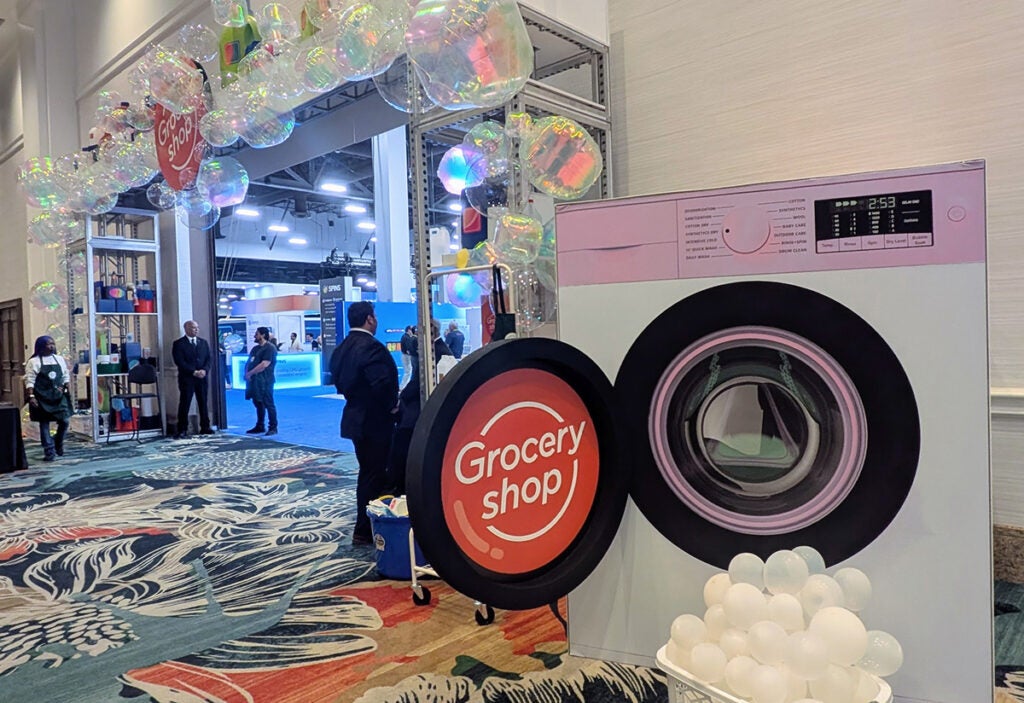
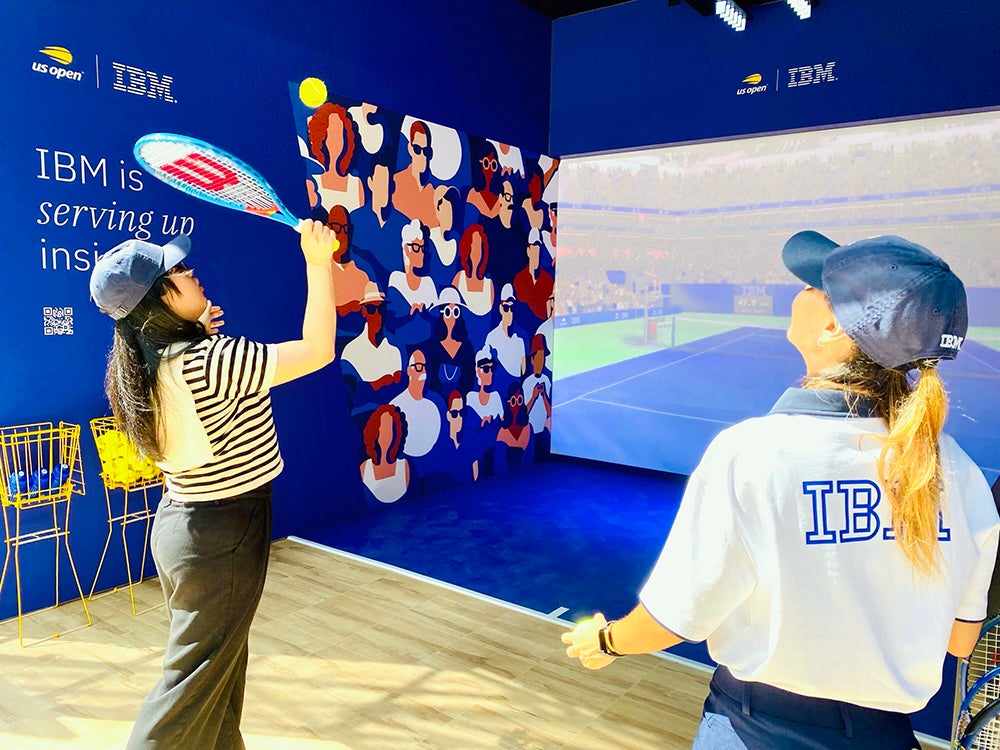
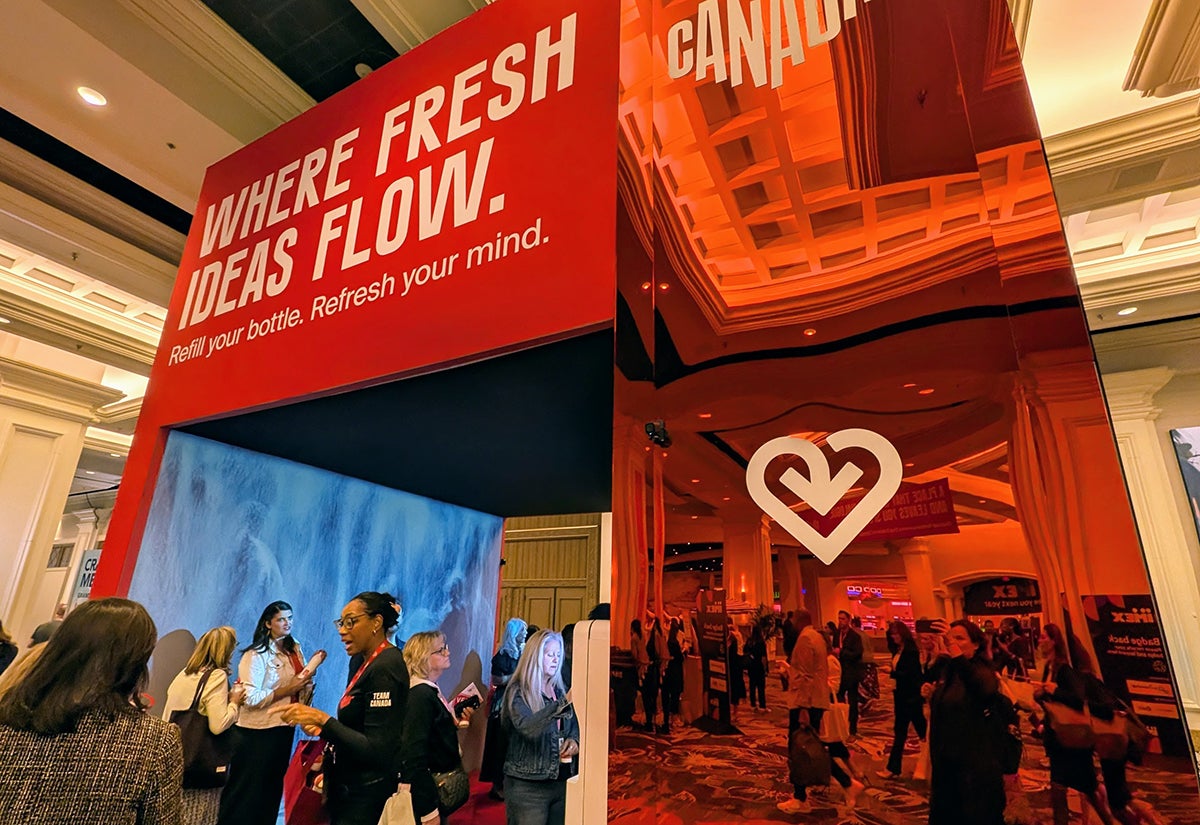
More activations than ever turned up the fun in the lobby in front of the entrance. Among them: Newport Beach’s lifeguards and a jeep scene, Scottsdale’s 360-degree LED tunnel with dreamy Sonoran desert, Major League Baseball’s personalized bobbleheads and baseball cards, Disney’s photo experiences, and Destination Canada’s bright-red hydration station with flavored water. Behind the scenes, sponsors were able to measure impressions, dwell time and how many attendees made it from the off-floor activation to the booth, among other KPIs, with technology from Zenus and Crowd Connected.
Bonus materials are money.
Arguably, the most valuable part of many presentations was additional materials available at the conclusion. From promo codes to an extremely detailed measurement guide, resources shared strengthened the connection and brought lasting power.
Is joy really a new KPI?
A surprising number of sessions focused on what might seem like the softest, but also an extremely coveted, metric. Jenn Whitmer, ceo of Joysity Works, cited a 31% increase in productivity and a 25% increase in group performance when people experience joy at work. She suggested determining what makes you feel fortunate, connected and purposeful as well as identifying toil, the opposite of joy, and taking agency.
New technology, including facial sentiment tracking, are making it possible to assign a number to an emotion. Tahira Endean’s new book, aptly titled “Our KPI is Joy,” argues that events anchored by joy can boost learning, create connection, and ultimately create a better world. We agree.
Have a story idea? Reach out to EM’s editor-at-large Anna Huddleston.