Ask today’s conference organizers how they support community-building and strengthen business relationships, and they’ll tell you that pre-event programming is key.
From exclusive training and networking forums for executives and partners, to receptions that help first-time attendees get their bearings, b-to-b brands are enabling meaningful moments, and setting the tone for their conferences, before the badge-scanning even begins.
For a closer look at the approach, and how it impacts the larger event strategy, we tapped a handful of experts for their tips and perspectives.
TARGETING A NICHE AUDIENCE
 The time and place for addressing multiple attendee types is at the main event. The pre-conference programming is where brands should be targeting a specific segment of the audience with an intentional set of objectives.
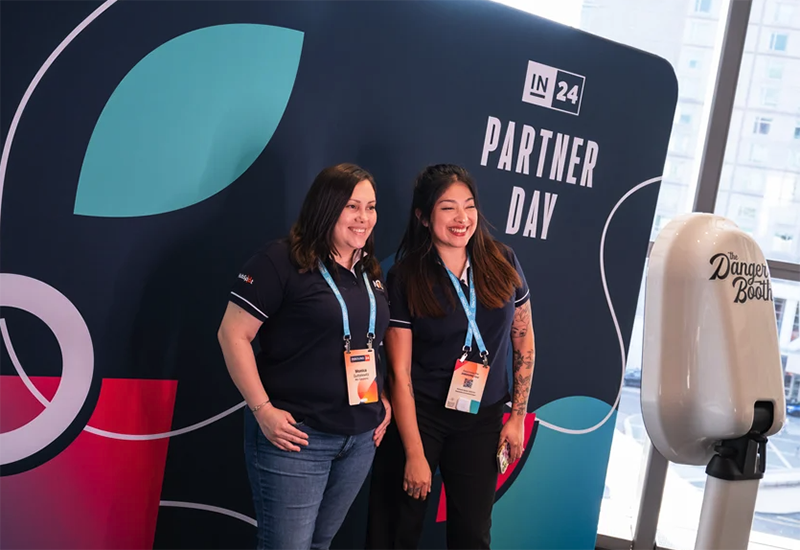
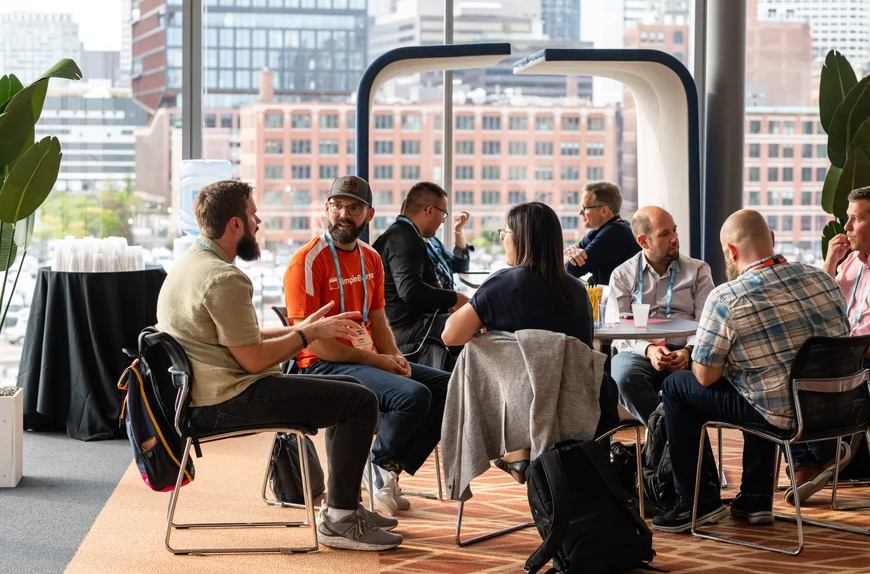
The day before HubSpot’s annual flagship conference, Unbound (formerly Inbound), the brand hosts a Partner Day dedicated to deepening connections with, and among, its solutions and technology partners before opening the doors to all 13,000 attendees (Agency EA handles).
“It’s thinking about a very specific audience. Pre-day events are the most impactful when they’re niche,” says Stephanie Kelch, director-experiential creative, production and event technology at HubSpot. “When you’re producing a three-day conference with a lot of different stages and breakouts, every person’s journey is going to be a little bit different. Pre-event experiences give the audience that touchpoint that’s driving your business forward. So it could be deep training content, or other business goals that are around surprise and delight, or awareness.”
Ahead of Unbound 2026, Sept. 16-18 in Boston, attendees of Partner Day will first hear from HubSpot’s ceo, chief customer officer and chief product and technology officer, who will build on the strategic narratives announced at the start of the year. Each attendee will also have opportunities to dive into curated session content across one of three tracks (product, leadership or go-to-market), plus workshops and debates, and presentations by external speakers.
BUILDING ON BUZZ AND MOMENTUM
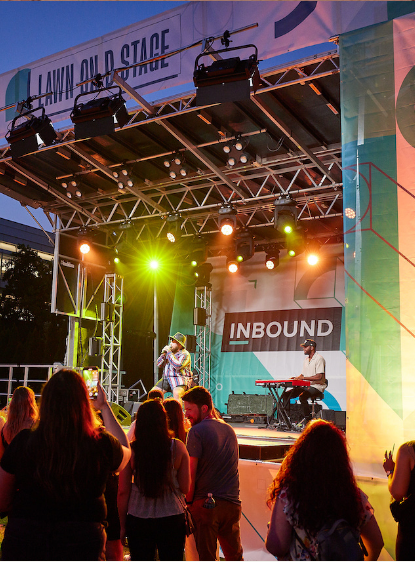 According to the pros, the enthusiasm and energy attached to a big conference can be leveraged to build buzz for pre-event programming, and position it as a kickoff to the broader conference dialogue and experience.
“You’re already bringing together this large audience, so you can really leverage that in the moment, both operationally, as well as the buzz and the vibe that is coming from that,” Kelch says. “The way we present it internally is always that Partner Day starts the conversation that continues throughout the week. The idea is to set the tone for our partners, give them something really exclusive and build up that excitement and momentum that should continue through a long week.”
It’s a similar mindset at CrowdStrike’s flagship user conference, Fal.Con., which features pre-event content mixed with networking and ancillary activities for select attendees.
“We do have some pre-event tech training, and things like that,” says Pam Corcoran, vp-global events at CrowdStrike, and member of the 2026 B-to-B Dream Team. “But we’re kind of trying to offer different things for people, not just content-wise, but also some fun, some networking, get that all started long before things really kick in.”
SPACE FOR COMMUNITY-BUILDING
Event communities don’t just materialize; they’re nurtured. And when pre-conference programming is done right, it can be a powerful platform for supporting that growth and relationship-building, which then often carries into the main event. And that camaraderie can go a long way in making a big show feel more intimate.
For the team behind Fal.Con., a shift away from “just producing events to designing experiences” has encompassed extending the experience beyond the main event by offering what they call “pre-gaming” for attendees. The core objective is to strengthen the community. From pre-event programming to early-access networking, the brand designs every touchpoint to cultivate connection—long before the official conference starts, and long after it ends.
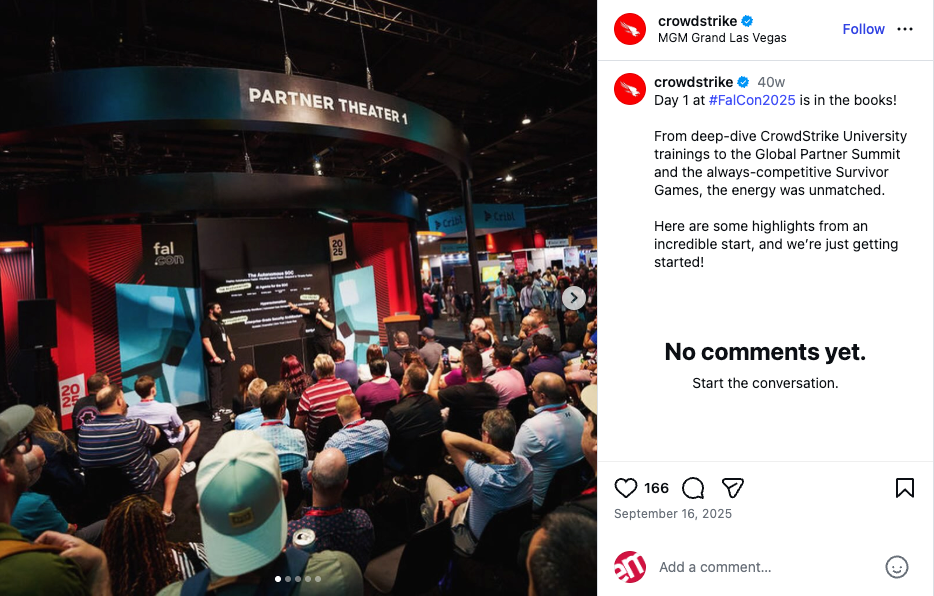
“Every year that growth gets bigger, so we have to be intentional about how we build community from the start,” says Corcoran. “… One of the things that we started to do a couple of years ago was we call it the ‘pregame,’ and it’s really simple in its nature. It’s a pregame reception, but as we’ve matured it a little bit, we have pregames for different areas, so different communities to help drive that.”
And from the perspective of the solutions and tech professionals that attend HubSpot’s Partner Day ahead of Unbound, the brand enables a reunion of sorts. The audience cherishes the opportunity.
“We have such a specific audience for Partner Day,” says Katie Lambert, director-partner marketing at HubSpot. “It is the only in-person event they have throughout the entire year. So a lot rides on it, both in terms of content and in terms of those delight moments. The in-person aspect is palpable. It’s such a reunion for them.”
PUTTING FIRST-TIMERS AT EASE
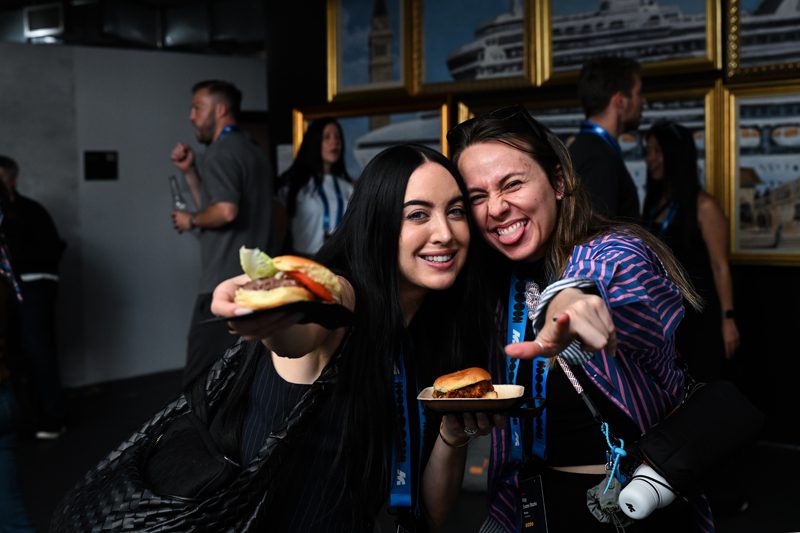 Another cohort that conference organizers often target before the start of the main show is first-timers. It’s easy to feel dazed and confused when navigating a big event for the first time, and savvy brands are hosting welcome events and receptions to ensure their newbies can confidently approach the conference at large.
“We’ve done sessions in a pre-event that are like, ‘Welcome to Unbound, first-time attendees. Get an exclusive sneak peek, and get to meet other people,” says Kelch. “So there’s a lot of value in some of that community-building that carries through the week as well.”
In the case of web design platform Webflow and its annual flagship event Webflow Conf, specific team members are enlisted to host a welcome reception for newcomers the day before the conference kicks off to provide a sense of support and companionship.
“It’s almost like birds of a feather,” says Trevor Drewry, head of experiential marketing at Webflow. “So we make sure we send team members to say, ‘Welcome to our Webflow Conf, it’s our annual user conference, and you can make these connections with other attendees.’”
TESTING SYSTEMS ON A SMALLER SCALE
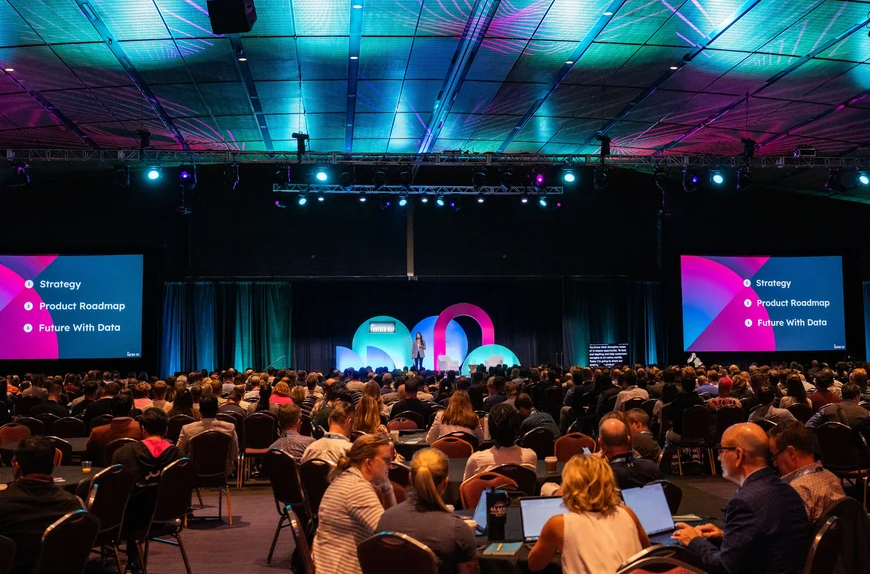
From an ops point of view, hosting a pre-conference event offers the team an opportunity to test out the larger show’s technology and general flow, and to ensure the subject matter is resonating, on a much smaller scale before presenting those elements to the masses. And some last-minute tweaks can make a world of difference.
“It is a great opportunity to test out your logistics and operations on a smaller audience,” Kelch says. “We even do that with some of our scanning and access control to make sure that people aren’t getting into the wrong places. It tests all your systems with a much smaller group than when you have the thousands and thousands of people the next day. It gives temp staff a chance to train and onboard.”
Photos: Courtesy of HubSpot; Agency EA; LL Productions