Every event marketer knows the feeling: You’ve built an exceptional experience, the energy was undeniable, but then comes the question, “But what did we get for it?” For b-to-b event leaders this year, that question no longer leads to an event after the event—because they’ve already engineered the answers in. From trackable, curated meetings that real-time insights capture, the sharpest teams in the business are abandoning the “hope and scan” model and building measurement infrastructure before the booth goes up or the event doors open. As part of our sit-downs with the 2026 B-to-B Dream Team, we explored how they’re connecting experiential investment to business impact. And what it takes to get the entire organization behind it.
* * * * *
“To ensure our major footprint investments deliver undeniable business value, we engineer the engagement from the ground up using a connected tech stack. This is new for us. Previously, at CES, it was a CES-provided scanner and a spreadsheet. But starting this year with CES and, next, with the 3M Open, we’re leveraging Jifflenow pre-event to deliberately curate and schedule one-on-one executive briefings with our highest-priority targets, moving completely away from the ‘hope and scan’ model of foot traffic.
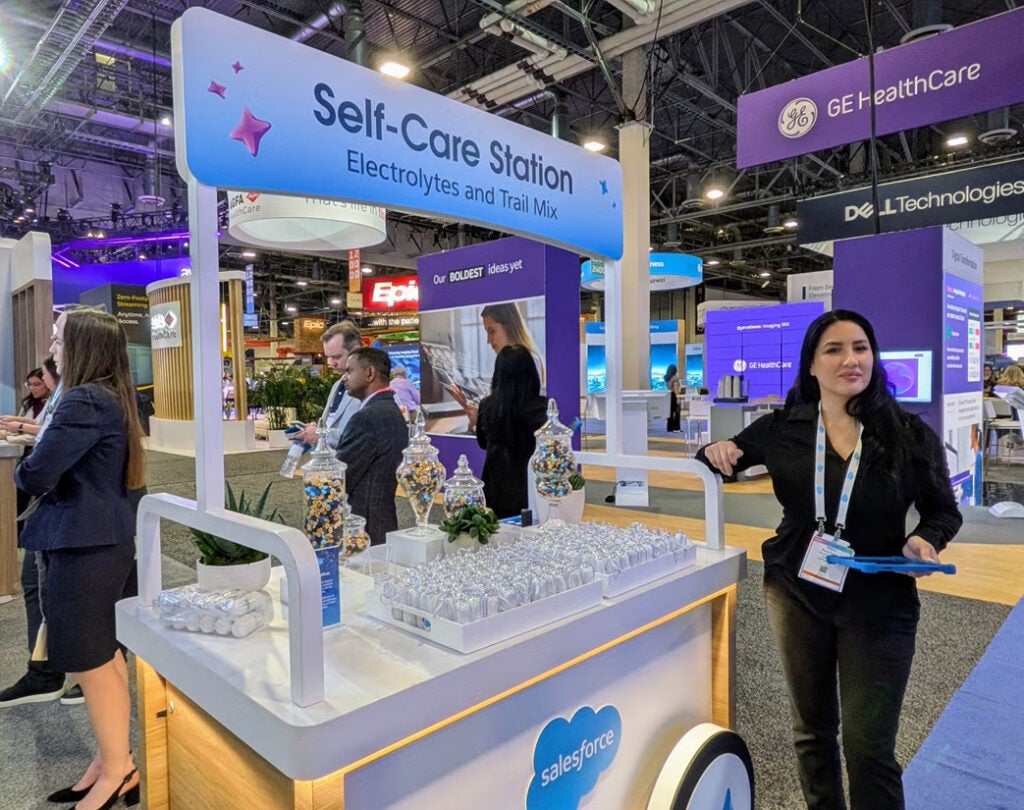
“On-site, while the design of the space creates the necessary atmosphere for our partnerships to thrive, our teams use an Insights Capture Tool to document the critical substance and pain points of those conversations in real time. Crucially, all of this flows directly into Salesforce, closing the loop so that months later, I can stand in front of leadership and directly attribute influenced revenue back to the specific, intentional engagements we built.” –Collin Hummel, Director-Global Partnerships & Events, 3M
* * * * *
“Business outcomes are certainly important, and when a conference gets to 10,000 people and you’re a premium brand known for premium events, the investment is substantial. So we spend a lot of time internally measuring our ROI, working with our MOps teams and tracking that through Salesforce and those types of tools. We put a great deal of emphasis on the post-event follow-up, because that’s where the value is really created. We also spend a lot of time enabling our sales team—we happen to have a really engaged sales team—conducting ‘Rep Prep’ calls that get them excited about the event, all the things their customers can do there, and what they can communicate to them. And then we enable, at the same time, a post-event strategy for our sales team and their customers with follow-up tools, not just information.” –Pam Corcoran, VP-Global Events, CrowdStrike
* * * * *
“My motto is: Be consistent. You’re not going to necessarily have all of the same metrics for a partner event or for a third-party event or for a customer event, because they’re doing different things at different stages in the funnel for a business. But what you do want to have are some consistent datapoints that enable you to compare, to create event baseline for measurement, and then to compare those measurements across programs. If it’s an external-facing event, you want to be measuring engaged pipeline and pipeline creation. So that’s consistent across all of our first-party events. And then I think cost-per-attendee is an easy way to understand whether the spend is consistent across programs, and then to look, using other metrics, at whether the ROI is there based on the per-head spend per attendee.” –Jeremy Youett, Head of Proprietary Events, Atlassian
* * * * *
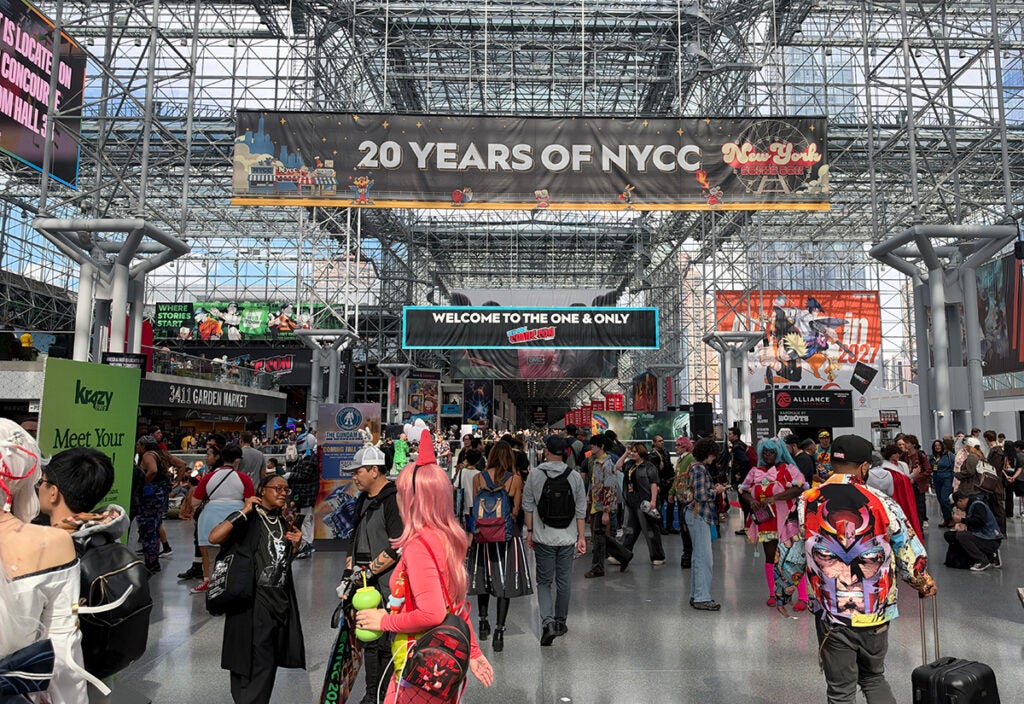
“People will brush every type of event with the same level of success—an executive-level-selected or hand-invite field event should not be looked at with the same success and KPIs as a top-of-funnel trade show event. So, it’s really about helping to build that awareness. A trade show, although it’s considered top-of-funnel, it’s brand awareness. There’s also relationship management. You have current customers coming by, so you might not see the net-new or the direct pipeline as a result, but you have to understand it’s brand awareness. How many people are coming by and seeing us? If we’re not there, what does it mean in the market if we’re not there? How many people did we have a positive interaction with who may have been thinking about switching? It’s truly understanding the combination of what drives trade shows and events, and making sure they’re not looked at as a budget line item; there’s so much more to it.” –Julie DeQuattro, Senior Manager-Global Marketing Events, UKG
* * * * *
“I know that most event leaders will collect: What is the open pipeline coming into the event? What does that pipeline look like leaving the event? Was there pipeline expansion or acceleration? Did we get new pipeline? And we do all of that, but we also decided to focus on what we call direct opportunity engagement. And so that’s really of that pipeline coming in, who did we meet with? Who did we have these roundtables or conversations with, and then understanding, how is that different from the general population’s pipeline growth or expansion? And then tracking that over their buying cycle to see, are we having an impact by having these meetings and having these richer conversations?” –Shawn Wagner, VP-Global Events, HPE
* * * * *
“On my team, we talk about contextualize the numbers… How are we scaling and supporting sales efforts? Are we reaching the right prospects, and are we converting them into leads? And then from an efficiency perspective, we’ll look at, if those numbers went up, what was the reason for that? Was it because we invested more? Is it because the event had more attendees? For our customer-driven initiatives, it’s about, are we reaching the right customers? I don’t care about total number of customers. And then we also look at relationship score. Are these events moving the needle from a relationship perspective? So, I can’t say for certain that one experience did this, but I can run analysis at the end of the year to see what was the incremental lift from a relationship perspective of the folks who went through our experiences versus the folks who didn’t.” –Tom Flynn, VP-Global Events & Experiences, B-to-B, American Express
Image Credit: iStock/filo