Attendees would ideally spend 54 percent of their learning time outside traditional session rooms, and at trade shows, that number rises to 64 percent, according a Freeman’s latest Trends Report, “The Future of Adult Learning at Conferences and Trade Shows.”
While organizers continue to invest heavily in conference sessions and keynote programming, attendees increasingly value learning that happens through peer conversations, exhibitor interactions, hands-on demonstrations and informal exchanges throughout the event.
“Whether it’s healthcare, manufacturing, finance or technology, we’re seeing more exhibitors replace product pitches with demonstrations, conversations and hands-on discovery,” says Ken Holsinger, svp-strategy at Freeman. “That’s a big shift because attendees don’t just want information anymore, they want confidence. They want to leave knowing how something works and why it matters.”
Here’s how to tap into the growing appetite for on-floor learning in your trade show program.
Do Hands-On, Ditch Presentations
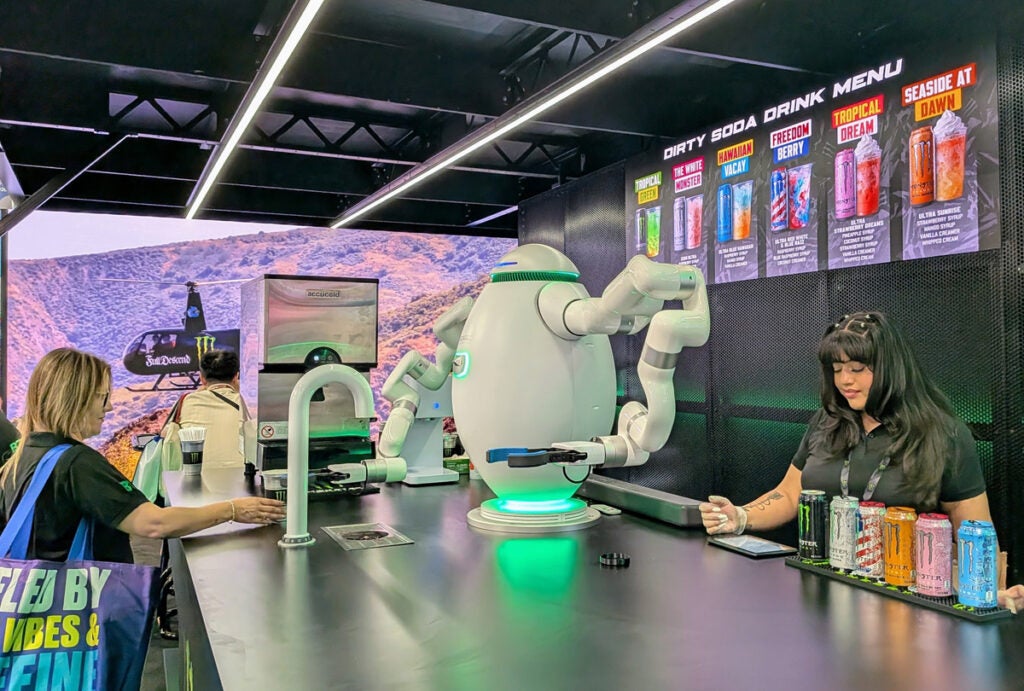
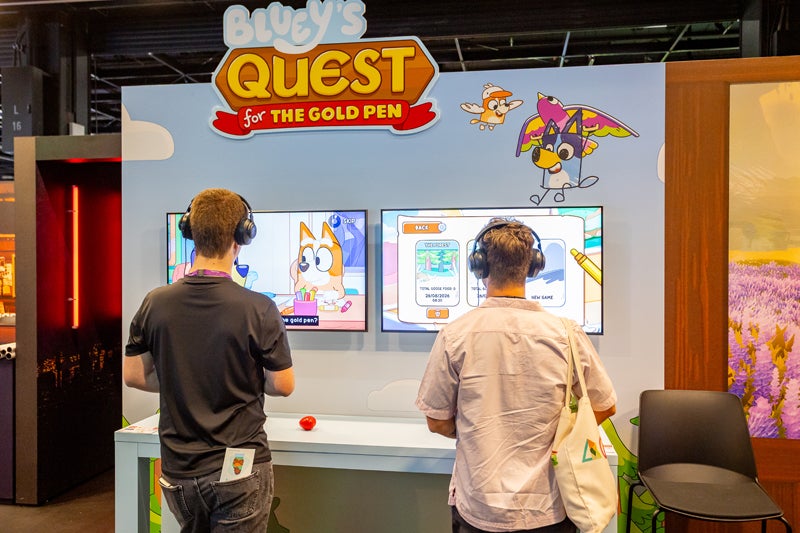
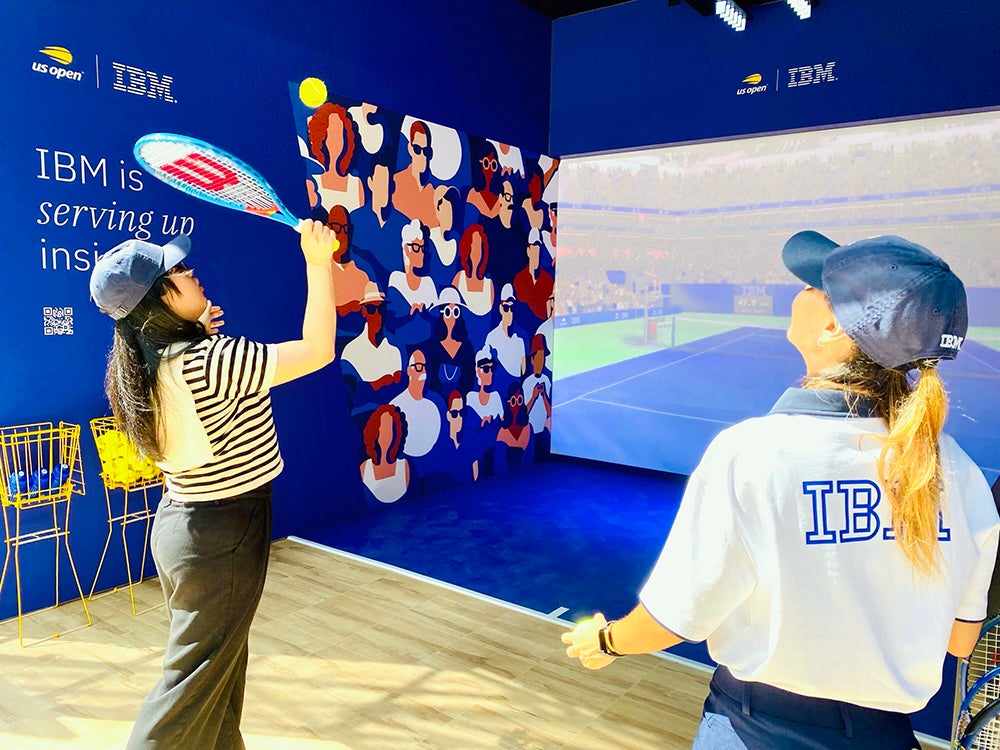
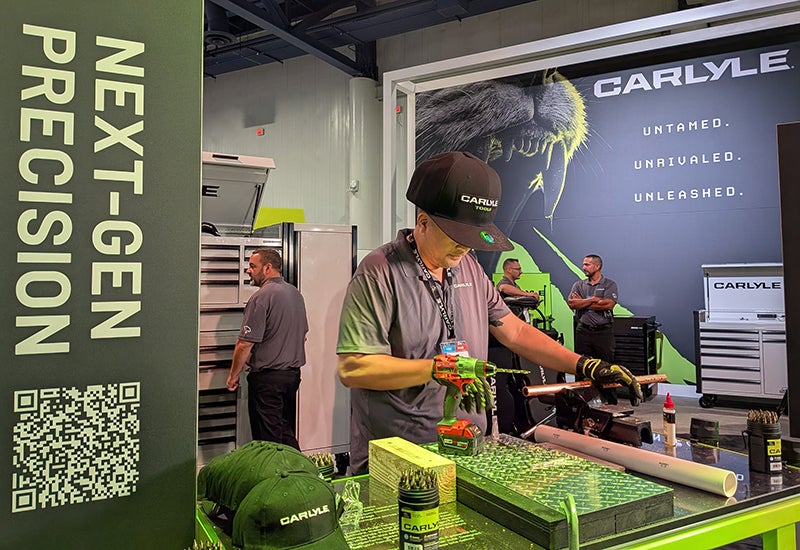
Product discovery continues to rank as a top attendee priority. Demonstrations or hands-on trials of products and solutions score the highest, at 75 percent, for how attendees learn best on the show floor, followed closely by direct access and discussions with subject matter experts, at 66 percent.
But here’s the gap. While time with subject matter experts is gaining ground, only six in 10 exhibitors surveyed said that hands-on participation is extremely important, missing the opportunity for engagement.
“I think the biggest mistake is treating education as a presentation instead of an interaction,” Holsinger says. “Too often the booth is designed to tell people about a product instead of letting them experience it. We spend a lot of time preparing the logistics of exhibiting, but not nearly enough preparing booth staff to create meaningful conversations. At the end of the day, it’s a marketing question, not a logistics question.”
And those “gamified learning elements,” such as discovery passports? Got the lowest score at 18 percent.
Related:
- B2B Attendees Demand More Value at Events—8 Brands Weigh In
- Six Exhibiting Best Practices, Straight from Trade Show Organizers
Deliver Thought Leadership and Measure Its Impact
Strong thought leadership programming generates valuable leads from sessions and connection opportunities beyond the booth, according to 81 percent of exhibitors, and attendees have a positive view of sponsored sessions that deliver value and are labeled as such. But often exhibitors fail to see it as part of the lead generation strategy, with fewer than one in four capturing leads from learning sessions.
This is a big missed opportunity, especially since attendees have made clear that sponsored booths and sessions often give better take-home value than more structured learning moments. Beyond scanning badges, exhibitors should also see thought leadership sessions as an opportunity to capture content, take note of the questions being asked and follow up with attendees directly.
Score with Next Generation
Nearly two-thirds of Gen Z and Millennials that Freeman refers to as NowGen are the driving force behind the learning opportunities outside traditional session rooms. Trade show activations have to solve for that to drive results.
“Design for discovery,” Holsinger says. “Give them something to try, someone interesting to talk to, and a reason to stay for five minutes longer than they planned. That’s where trust gets built, and that’s ultimately what great experiential marketing is all about.”
Image credit: iStock/Auuu