-
 B-to-C Events
Memorable On-premise Events
Once upon a time nightlife events consisted of attractive men and women dropping into bars and nightclubs wearing tight t-shirts and armed with samples. But as with every other experiential niche the old reliable tactics don’t cut it anymore. Nightlife programs must engage for more than a night to hit the mark. Four keys to successful nightlife marketing:
-
 B-to-C Events
On The Road Again – How GE Healthcare’s Mobile Tour Connects the Brand with Customers
FOUR AND A HALF YEARS AGO when GE Healthcare first took its mobile tour on the road the event program was designed to bring its customers—namely hospitals and healthcare providers—on board to see the latest and greatest in GE gadgets. Another part of the program? On occasion the brand’s customers could take the vehicle and use it themselves as an opportunity to educate and connect with consumers in their own communities.
-
 B-to-C Events
Full Circle
IN THE WORLD OF outdoor event setups tents may be the established superstar but domes are the up and coming indie starlet. What makes them so attractive? They’ve got range able to play a variety of roles in all kinds of programs. They offer a design aesthetic and a flexible layout that tents and mobile vehicles often can’t. And although set up can be a challenge—especially with larger domes that can weigh upwards of a ton—the benefits usually outweigh the downsides.
-
 B-to-B Events
The Giving Experience: Nonprofits Find Success in Event Marketing
EVENT MARKETERS have heard all the myths. Events can’t generate the revenue needed to cover their costs. Events are just for brand building maybe product launches—output investments that don’t contribute much to the bottom line. But what if one of the toughest money making models—nonprofits—could find significant fundraising success in the form of an event program? Nonprofits base their reputation on keeping overhead percentages as low as possible so if they can find success through events who can’t?
-
 B-to-C Events
Mall Matters
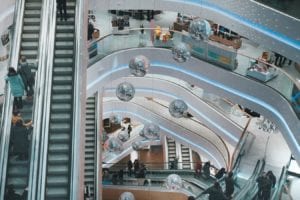
It’s the 21st century. Scenes of middle class Americans strolling around a massive indoor shopping complex (commonly known as a mall) in their sweatpants window shopping at The Sharper Image sipping an Orange Julius and maybe stopping off at JC Penney for a pair of khakis is one you’ll only see in old sitcoms. It’s not that malls aren’t important. It’s that they’ve evolved. Those same shoppers are probably sitting in a big recliner at the Sharp Aquos lounge watching a big-screen HDTV instead of trying out the massage chair at Brookstone.