B-to-B Events
-
 B-to-B Events
Building Relationships Via Road Shows
Whether it’s a new product launch a deep dive into something that can’t be fully explored at a larger event or just a chance to let your customers spend some quality time with your offerings and sales staff nothing beats a road show for taking the client relationship to the next level. No matter how popular a new band becomes through CD sales and radio play they’re never going to reach god status until they get out on the road. It’s that real-life experience seeing the icons you admire live and in person that elevates the excitement and makes a handful of musicians into heroes.
-
 B-to-B Events
Being Indoors and Out at CES ’08
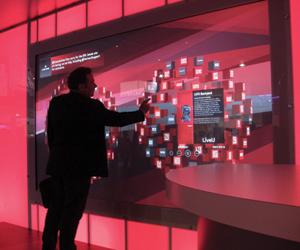
Even with all that real estate Intel managed to make everything tie together thematically. Each and every element was cherry-picked and engineered to bring the brand to life and show just “how Intel makes a difference in their daily lives ” says Victor Torregroza events program manager for Intel.
-
 B-to-B Events
Social Networking Adds Value to Events
When picking and choosing professional events to attend people want to get the most bang for their buck especially since with b-to-b events it’s usually the company’s buck and those aren’t exactly flowing freely nowadays. One way to stir up interest in your event is to give attendees an online sneak peek of what they can expect on site as well as a conversation extender that goes well beyond event day. With a nudge from technology companies are doing just that by adding an online social networking component to events and conferences.
-
 B-to-C Events
Going from Video to Viral
WITH VIRAL MARKETING top of mind cool green-screen programs can create the buzz brands are looking for online. One way a brand can get consumers excited about engaging with its green-screen activation is by creating video opportunities worthy of a YouTube click. EM takes a look at video green screens and how they’re upping interactivity between brand and consumer.