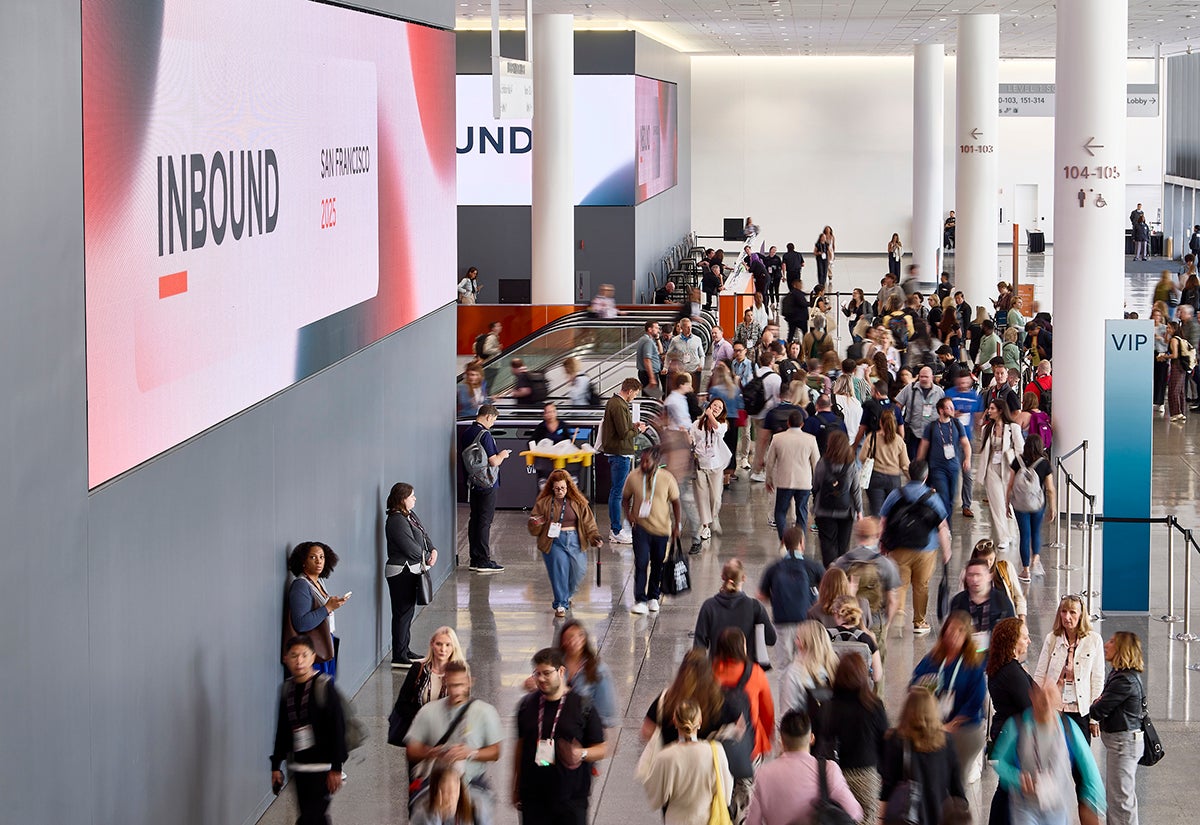
Improvised demos, brain science and concentrated networking mark a new chapter for the conference
In the age of disruption, HubSpot views adaptability as a superpower, and the transformation of its flagship conference is living proof.
After 15 years operating as Inbound, the annual show has been rebranded as Unbound, a shift HubSpot implemented to keep pace with a rapidly changing business landscape, and its own evolution from marketing platform to “agentic customer platform.”
And from Sept. 16-18 in Boston, a sold-out audience of go-to-market professionals will experience the shift from “methodology” to “mindset” as the brand unveils a revamped conference experience focused on “boundless growth,” and breaks free from its perception as an event strictly built for marketers.
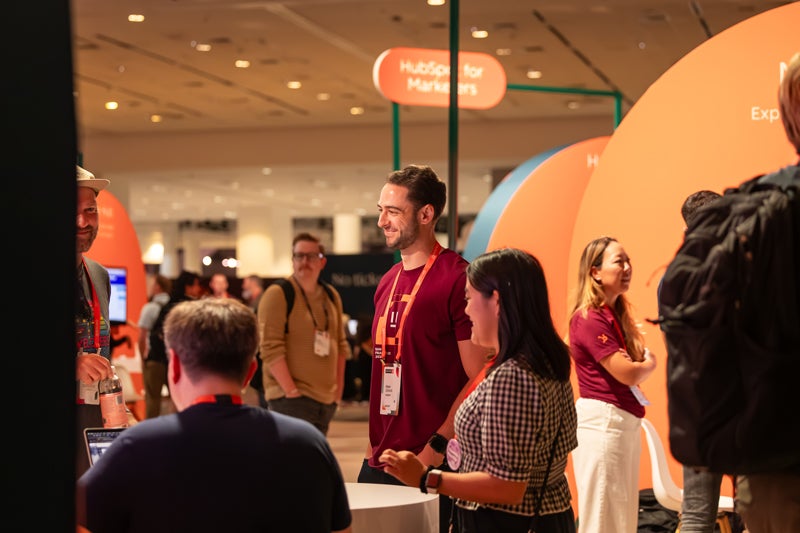
More than 13,000 in-person attendees are headed to Unbound 2026 to experience 200-plus sessions, high-profile speaker talent from a range of industries (think: Tom Brady and Cynthia Erivo), plus new breakout formats and curated networking programs (Agency EA handles).
“The biggest thing for us was trying to decide when we could rebrand it while having the least amount of impact to our customers and the overall brand equity, but then also have the most amount of impact on the change of the event so it actually felt different,” says Kat Tooley, vp-global events and experiential marketing at HubSpot. “So we had to time it kind of perfectly.”
While the event evolution will fully come to fruition in 2027, this year’s show will be a robust primer that reveals the vision behind the rebrand.
So ahead of the very first HubSpot Unbound, we sat down with the brand’s experiential team for a strategic peek at how they made it happen, and what to expect in Boston.
Cross-Team Collaboration
Executing the rebrand has been an all-hands-on-deck endeavor for HubSpot’s vast marketing department, which has spent ample time cross-pollinating ideas to come up with the best solutions.
“Something that’s really interesting about an event like Unbound is we have an extensive team, but some of our most innovative plays are ones that are born out of various teams working together,” says Courtney Dagher, director-global events revenue marketing & content programming at HubSpot. “That collaborative effort is really behind all of our biggest swings.”

Technical Prep & Legal Hurdles
The team also emphasized the immense technical undertaking required to revamp a legacy event, and the, as Dagher puts it, “need to be in lockstep with your technical marketing teams.” And the tech modifications, in turn, bring on some of their own legal hurdles.
“You’re not always thinking about new domain registration, but you’ve got to prime that domain a certain way for it to be able to show up in search, and in people’s inboxes,” Tooley says. “There needs to be new legal terms and conditions rewritten. There needs to be domain acquisitions. There needs to be competitive blackouts. There needs to be copyright. So there are a ton of not only legal hoops… but a ton of technical hoops.”
The New Mindset
For HubSpot, the new approach isn’t about fixing something that’s broken; it’s about shifting the perception around what the brand, and the conference, have to offer. And that began with replacing a decidedly marketing-focused word, Inbound, with a more aspirational name that speaks to a wider audience, and a business-growth mentality.
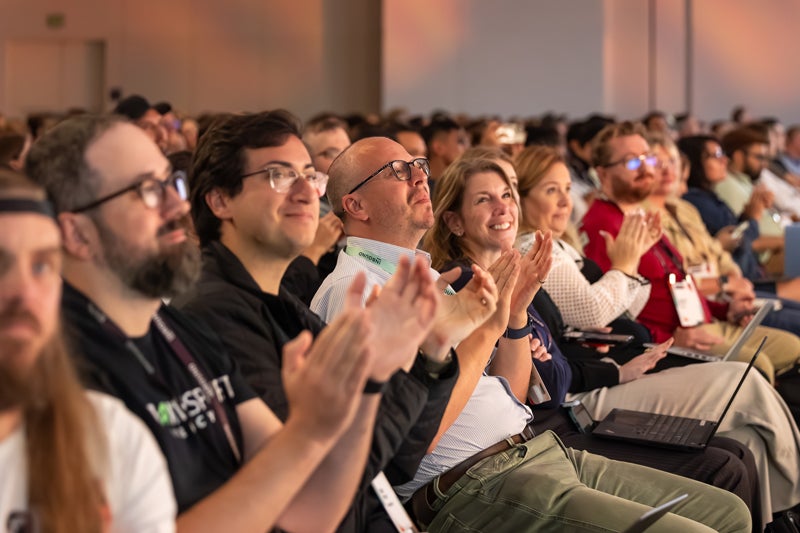
In that spirit, HubSpot is employing five pillars to get attendees in the “Unbound” mindset, and to guide the on-site experience: Boundless thinking, boundless tools, boundless creativity, boundless impact and boundless connections.
“Early on, we had to make sure that we got the narrative in place, that the messaging was clear on why we were doing this, that we were not isolating brand loyalists, not only to the event but also to HubSpot,” says Tooley.
The New Formats: From Improv to Analog
New session and workshop types will be shaking up the show’s typical content formats, each with an emphasis on experiential.
“Unplugged Studio” sessions will be analog, device-free spaces for small groups to explore three mind-bending themes (Thinking About Thinking, The Judgment Zone and The Game Plan) in a trippy environment.
“Fix It Live” product spotlights will pair brand partners with HubSpot product team members on stage for improv-inspired demos, with the audience voting on which live troubleshooting scenarios the duo should attack.
And in the play-forward Plasticity Lab, attendees can craft their own slime concoctions to take a home, an activity designed to get them thinking outside of their own spheres of expertise and comfortability.
“It’s thinking about how we bring some play into the experience, but with purpose,” says Stephanie Kelch, director-global experiential, production & event technology at HubSpot. “So with that ‘unbound’ mindset, we’re thinking about neuroplasticity and how to push your mind, think differently and be able to adapt on the fly.”
The New Networking
Providing time and space for connection has always been, and continues to be, paramount to the conference strategy. And this year, in addition to facilitating Braindate gatherings and sales meetups, HubSpot is introducing The Exchanges, three highly curated, always-on networking spaces.

Each area will foster connections within a specific community: Sector is for those in the same industry, Spot is for those with personal identifiers, like LGBTQ+ attendees and members of HubSpot’s All Black Collective, and Sync is for those who share the same role.
The Payout
The benefits of evolving into Unbound have been evident across the rebrand. For one, it gave the team a chance to implement customer feedback it’s been hearing for years. For another, the title change itself helped HubSpot “remove the invisible ceiling” of naming a conference after a marketing term. The shift additionally required reflecting on the relevance of every touchpoint.
“It allowed us to pressure-test every element, not just the logo, but the energy and the flow,” explains Tooley. “And we questioned a lot of decisions around, ‘Does this feel like Unbound, or is this Inbound with a new banner?’ It definitely gave us the leeway to think about things that we had always done and decide whether or not we wanted to keep doing them that way.”
And when all is said and done, she says, what matters most is that Unbound attendees “leave feeling capable of something they didn’t think was possible when they walked in.”
Related: